On this page
Uzbekistan and Tajikistan sit side by side on the map, but the weather inside them is very different. In one trip you can walk through Bukhara at 37°C (99°F) in the afternoon and, a few days later, sleep in a Pamir homestay where the night drops close to freezing. Desert cities, green valleys, ski slopes and high plateaus all need different clothes.
This guide explains what to wear and what to pack for each season and each region. It uses average climate data from official weather records, and practical advice from our own guides and drivers. It also covers dress codes at mosques, shrines and in villages, so you feel comfortable and respectful everywhere you go.
The short answer
- Layers win. Day and night temperatures often differ by 12–15°C in the cities and even more in the mountains and desert.
- Spring (April–May) and autumn (September–October) are the most comfortable seasons for the Silk Road cities. Pack light clothes for the day and a warm layer for the evening.
- Summer (June–August) is very hot in Bukhara, Khiva, Nukus, Tashkent and Dushanbe. Average daytime highs are 35–37°C (95–99°F), and 40°C+ days happen. It is also the best season for the Fann Mountains and the Pamir Highway.
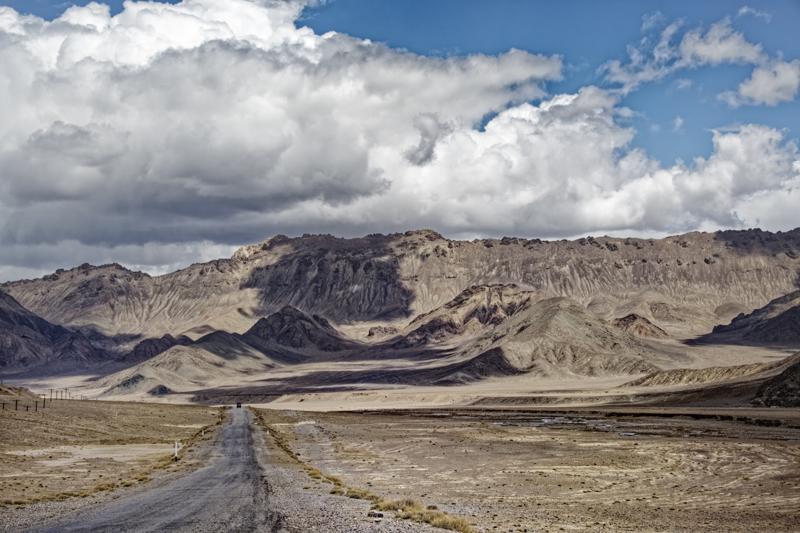
- The Pamirs are cold at night all year. Even in July, Murghab (3,618 m) has average night lows of only about 2°C. Bring a down jacket, a hat and gloves.
- Dress modestly. Both countries are Muslim-majority but secular. Shorts and T-shirts are seen in central Tashkent, but covering shoulders and knees is the respectful choice at religious sites, in villages and in the Fergana Valley. Women should carry a light scarf.
- Comfortable, broken-in walking shoes are essential. Slip-on shoes help, because you take shoes off in homes and in mosque prayer halls.
- Sun protection is not optional. Sunscreen, sunglasses and a hat are needed in every season, especially at altitude.
Climate at a glance
The table below shows average daytime highs and night lows in °C for four representative months. Figures are rounded long-term averages (mostly 1991–2020 climate normals). Real weather in any given week can be warmer or colder.
| Place | Altitude | January | April | July | October |
|---|---|---|---|---|---|
| Tashkent | ~455 m | 7 / -1 | 22 / 10 | 36 / 20 | 22 / 8 |
| Samarkand | ~705 m | 7 / -1 | 21 / 10 | 35 / 20 | 22 / 8 |
| Bukhara | ~225 m | 7 / -2 | 24 / 11 | 37 / 22 | 23 / 7 |
| Khiva (Urgench station) | ~91 m | 3 / -6 | 22 / 9 | 36 / 21 | 20 / 5 |
| Nukus | ~76 m | 1 / -8 | 22 / 9 | 36 / 21 | 20 / 5 |
| Fergana | ~590 m | 5 / -3 | 23 / 11 | 35 / 21 | 21 / 8 |
| Chimgan (Tashkent mountains) | ~1,600 m | 1 / -6 | 14 / 5 | 26 / 17 | 14 / 6 |
| Dushanbe | ~800 m | 9 / -1 | 23 / 10 | 36 / 19 | 24 / 8 |
| Khujand | ~300 m | 4 / -2 | 22 / 11 | 36 / 22 | 21 / 9 |
| Panjakent (gateway to Seven Lakes) | ~1,000 m | 3 / -6 | 17 / 6 | 31 / 15 | 18 / 3 |
| Iskanderkul | ~2,195 m | -6 / -15 | 8 / -2 | 22 / 7 | 9 / -3 |
| Khorog | ~2,200 m | -1 / -11 | 16 / 6 | 30 / 15 | 18 / 5 |
| Murghab | ~3,618 m | -14 / -24 | 2 / -8 | 15 / 2 | 4 / -8 |
Format: average daytime high / average night low, °C. Sources: Wikipedia climate tables based on Pogoda.ru.net and NOAA data (Tashkent, Samarkand, Bukhara, Urgench, Nukus, Fergana, Chimgan, Dushanbe, Khujand, Khorog); Weather2Travel long-term averages (Panjakent, Iskanderkul, Murghab). Mountain figures are modelled or based on fewer records, so treat them as a guide only.
Places without a weather station:
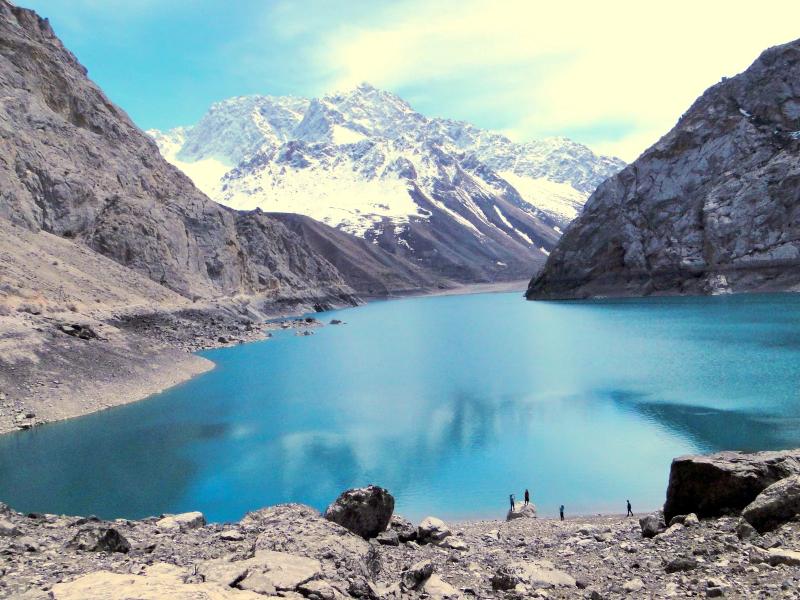
- Seven Lakes (Haft Kul). The lakes lie between about 1,640 m (Nezhigon, the first lake) and 2,400 m (Hazorchashma, the seventh). Expect conditions between Panjakent and Iskanderkul: warm summer days, cool evenings, and cold nights at the upper lakes.
- Amirsoy ski resort. The slopes run from about 1,630 m to 2,290 m, so winter weather is similar to Chimgan or colder at the top.
- High passes. Ak-Baital (4,655 m) is the highest point of the Pamir Highway (M41). Kyzyl-Art (4,280 m) is the border pass between Tajikistan and Kyrgyzstan. There are no reliable long-term averages for these points. They are colder and windier than Murghab, and snow is possible in any month.
- Desert yurt camps (Aydarkul / Nurata area). These sit in the Kyzylkum desert between Samarkand and Bukhara. Daytime temperatures are similar to Bukhara. Nights in open desert feel cooler than in the city, especially in spring and autumn.
What the numbers mean in practice
- Big day/night swings. In Bukhara in October, the average range is 23°C by day and 7°C at night. In Murghab in July, it is 15°C by day and 2°C at night.
- Extreme summer heat. Average July highs in Bukhara, Khiva and Nukus are 36–37°C. Record highs reach 46°C in Bukhara and 47°C at Urgench. Several days above 40°C (104°F) in July are normal.
- Cold desert winters. Khiva and Nukus are colder than many travellers expect. Average January nights are -6°C to -8°C, and record lows at Urgench are below -27°C.
- Rain season. Most rain falls from about November to April. Tashkent averages about 65–70 mm per month from February to April. Dushanbe is the wettest of the cities: about 100–115 mm per month in March and April. Summer is almost completely dry in the lowlands. Bukhara and Nukus get only about 100–130 mm of rain in a whole year.
- Mountain weather is different. In the western Pamirs (Khorog, Wakhan), most precipitation falls in winter and spring, and summer is dry. On the high eastern plateau (Murghab), the little precipitation comes mainly in late spring and summer. Afternoon showers, wind and even snow on high passes are possible in summer.
- Dust and wind. The western deserts (Bukhara, Khiva, Karakalpakstan and the Aral Sea area) can be dusty and windy, especially in spring. Strong winds are also common on the open Pamir plateau.
Best seasons
| Region | Best months | Notes |
|---|---|---|
| Uzbek Silk Road cities | April–May, September–October | Mild days, cool evenings. March and November are quieter and cooler. |
| Khiva, Nukus, Aral Sea | April–May, September–early October | Very hot in summer, very cold in winter. |
| Fergana Valley | April–June, September–October | Green in spring, harvest season in autumn. |
| Tashkent mountains | June–September for hiking; December–mid-March for skiing | Chimgan’s ski season runs roughly December to mid-March. |
| Dushanbe, Khujand | April–May, September–October | Hot summers, wet late winter and spring in Dushanbe. |
| Fann Mountains, Iskanderkul, Seven Lakes | June–September | Day trips possible in May and October, with cold mornings. |
| Pamir Highway, Wakhan | Late June–September | The Pamir Highway (M41) is open all year, but from November to March high passes can close for a time after snowfall. October and early November trips need full winter gear. |
Snow and road closures
- Anzob Pass (3,372 m) on the old Dushanbe–Khujand road is closed in winter and normally reopens around late May. Most traffic uses the Anzob tunnel (about 5 km), which bypasses the pass. Heavy snow and avalanches can still cause delays or temporary closures in winter and spring.
- Pamir Highway and GBAO. The UK Foreign Office (FCDO) warns that spring and winter flooding often damages and closes roads in Gorno-Badakhshan, and that there is a high risk of avalanches, landslides and rockfalls in the mountains. The region is also earthquake-prone.
- Seven Lakes. The access road is steep and partly unpaved. Camping is practical mainly from June to September.
Season by season
Spring (March–May)
Spring is a beautiful time for the cities. March can still be cool and rainy. April is mild and green. By late May, Bukhara and Khiva are already hot (average highs of about 29–31°C).
In the cities: Light trousers or skirts, long-sleeve shirts or T-shirts, and a warm layer (fleece or light down) for the evenings. A light waterproof jacket or umbrella is useful in March and April, especially in Tashkent, Samarkand and Dushanbe.
In the mountains: Snow lingers at higher altitudes until May or June. Iskanderkul has average night lows below zero until about May. Most of the Pamir Highway is still cold and the season only really starts in late spring.
In the desert: Pleasant days and cold nights. Bring a warm jacket for yurt camps in March and April.
Spring packing list:
- Light trousers or long skirts, plus one warmer pair of trousers
- T-shirts and long-sleeve tops (cotton or quick-dry)
- Fleece or light down jacket
- Light waterproof jacket or compact umbrella
- Comfortable walking shoes that can handle rain
- Scarf (for sun, wind and religious sites)
- Sunglasses and sunscreen
Summer (June–August)
Summer in the lowlands is very hot and very dry. Average July highs are 35–37°C in Tashkent, Bukhara, Khiva, Nukus, Dushanbe and Khujand. This is when you plan sightseeing for early morning and late afternoon, and rest at midday.
Summer is also the best season for the mountains. The Fann Mountains, Seven Lakes, Iskanderkul and the Pamir Highway are all at their most accessible.
In the cities: Loose, breathable clothes made from cotton or linen. Long, light trousers or long skirts and loose shirts are cooler in strong sun than shorts and vest tops, and they also work for religious sites. A wide-brimmed hat and a refillable water bottle are essential.
In the mountains: Days can be warm, but nights are cool. At Iskanderkul, average July nights are about 7°C. In Murghab, they are about 2°C, and frost is possible. Pack a warm layer, a hat and gloves for any Pamir trip, even in July.
In the desert: Yurt camps can be very hot in the afternoon. Nights are warm but more comfortable than in the city.
Summer packing list:
- Loose cotton or linen trousers and long skirts or dresses
- Light long-sleeve shirts (protect from sun better than T-shirts)
- Wide-brimmed sun hat
- High-SPF sunscreen and SPF lip balm
- Sunglasses with UV protection
- Refillable water bottle and oral rehydration salts
- Light scarf (sun, dust, religious sites)
- For mountains: fleece, warm jacket, warm hat, light gloves
Autumn (September–November)
September and October are many travellers’ favourite months. The heat drops, the light is soft, and markets are full of fruit. November is cooler and wetter, with frost possible at night in Khiva and Nukus.
In the cities: September still feels like summer in Bukhara and Khiva (average highs about 28–30°C). October has warm days around 20–24°C and cool nights around 5–8°C. Pack layers.
In the mountains: September is excellent for the Pamirs and the Fann Mountains. From October, nights at altitude are below freezing. Murghab’s average October low is about -8°C. October and early November trips are possible but need full winter gear; from November to March high passes can close for a time after snowfall and nights fall below -20°C at Murghab.
In the desert: Very pleasant days. Nights in the yurt camps are cool in October and cold in November.
Autumn packing list:
- Light clothes for warm days
- Warm mid-layer (fleece or wool jumper)
- Light down jacket for October and November evenings
- Light waterproof jacket for November
- Warm hat and gloves for mountain trips
- Comfortable walking shoes
Winter (December–February)
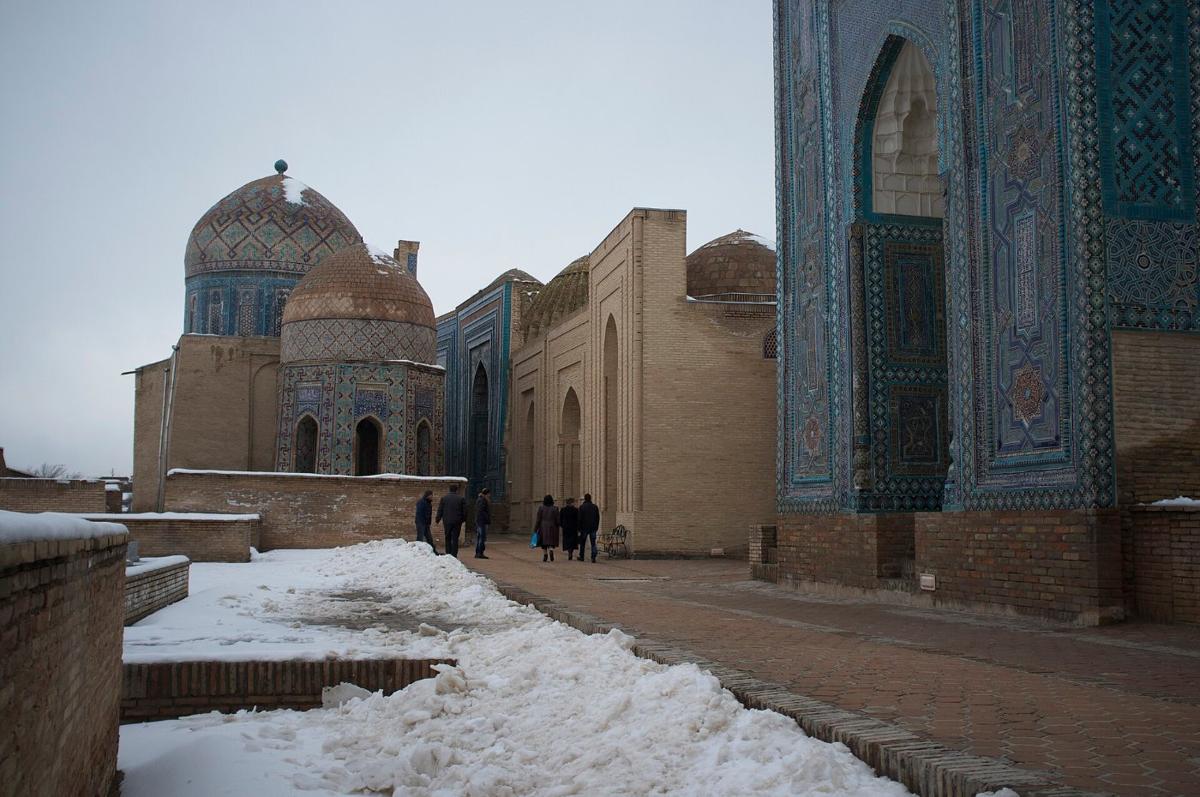
Winter is quiet, cheap and atmospheric, but it is cold. Average January highs in Tashkent, Samarkand and Bukhara are about 7°C, and nights are around or below freezing. Khiva and Nukus are colder, with average January nights of -6°C to -8°C. Snow falls from time to time in all the Uzbek cities.
In the cities: A warm winter coat, jumpers, thermal underlayers, a hat, gloves and waterproof shoes or boots. Many historic sites are open-air, so you spend a lot of time outside. Hotels are heated, but many museums and madrasahs are not, and small guesthouses can be chilly. Gas and power cuts happen in winter, especially in Tajikistan.
In the mountains: Chimgan and Amirsoy are ski destinations from about December to mid-March. The Pamir Highway is not a normal tourist route in winter. Murghab has average January lows around -24°C.
In the desert: Most yurt camps close or operate on request only in deep winter, because nights are very cold.
Winter packing list:
- Warm insulated coat or down jacket
- Thermal base layers
- Wool jumper or fleece
- Warm hat, gloves and scarf
- Waterproof shoes or boots with good grip (ice on stone paving)
- Warm socks
- Lip balm and moisturiser (cold, dry air)
Region by region
Uzbek Silk Road cities: Tashkent, Samarkand, Bukhara, Khiva, Shakhrisabz
These are the most visited places. You walk a lot on stone, brick and cobbled streets. Tashkent is a large modern city where dress is relaxed. Samarkand, Bukhara and Khiva are historic, and you visit many religious sites.
- Wear modest, comfortable clothes that cover shoulders and knees, so you are ready for mosques and shrines at any time.
- Women should keep a scarf in their day bag.
- In summer, Bukhara and Khiva are hotter than Tashkent and Samarkand. Start sightseeing early.
- Evenings are cooler than you expect, even in May and September.
Karakalpakstan and the Aral Sea (Nukus, Moynaq)
This is open, dry desert. Days are long, hot and dusty in summer. Winters are the coldest in lowland Uzbekistan.
- A buff or scarf to cover your face from dust and wind.
- Sunglasses that wrap around the eyes.
- Closed shoes for sandy and dusty ground.
- A warm layer for evenings near the former sea bed, where wind can be strong.
Desert yurt camps (Aydarkul, Nurata area)
Most camps have beds and blankets in shared or private yurts, and simple shared bathrooms. Evenings are spent outdoors around a fire.
- Warm layer for the evening, even in late spring and early autumn.
- Headlamp or small torch for walking to the bathroom block.
- Closed shoes or sandals that can handle sand.
- Swimwear if you plan to swim in Aydarkul lake in summer (see dress notes below).
Fergana Valley (Fergana, Margilan, Rishtan, Kokand, Andijan, Namangan)
The Fergana Valley is fertile, densely populated and more traditional than Tashkent. It is very welcoming, and very few local women wear shorts or sleeveless tops.
- Long trousers or skirts and tops with sleeves for everyone.
- Men: long trousers are better than shorts here.
- Women: a scarf is useful for mosques and for visiting family homes.
Tashkent mountains: Chimgan, Amirsoy, Charvak
About 65–90 km from Tashkent, this area is a summer escape from city heat and a winter ski area. Chimgan’s average July high is about 26°C, which is 10°C cooler than Tashkent.
- Summer: hiking shoes or trail trainers, sun hat, light fleece, swimwear for Charvak reservoir.
- Winter: full ski clothing. Equipment can be rented at the resorts, but bring your own goggles, gloves and base layers if you can.
Tajik cities: Dushanbe, Khujand, Istaravshan, Panjakent
Dushanbe is green and relaxed, with wide avenues and parks. Khujand is a hot, dry northern city. Both are hot in summer. Dushanbe gets a lot of rain in March and April.
- Same as the Uzbek cities: modest, light clothing and a warm evening layer.
- A rain jacket for Dushanbe in spring.
- More conservative dress in smaller towns and villages.
Fann Mountains, Iskanderkul, Seven Lakes
These are mountain day trips and overnight trips from Samarkand, Panjakent or Dushanbe. You go from warm valleys to 2,000 m and higher in a few hours.
- Comfortable trail shoes or light hiking boots. The paths around the lakes are uneven and rocky.
- Fleece or warm jacket. Mornings and evenings are cold, even in summer.
- Windproof or rain jacket.
- Sun hat, sunglasses and sunscreen.
- For overnight stays at the Seven Lakes: warm sleepwear and a warm hat. Guesthouses are basic and heating is limited.
Pamir Highway and the Wakhan Valley (Khorog, Wakhan, Murghab, Karakul, Kyzyl-Art)
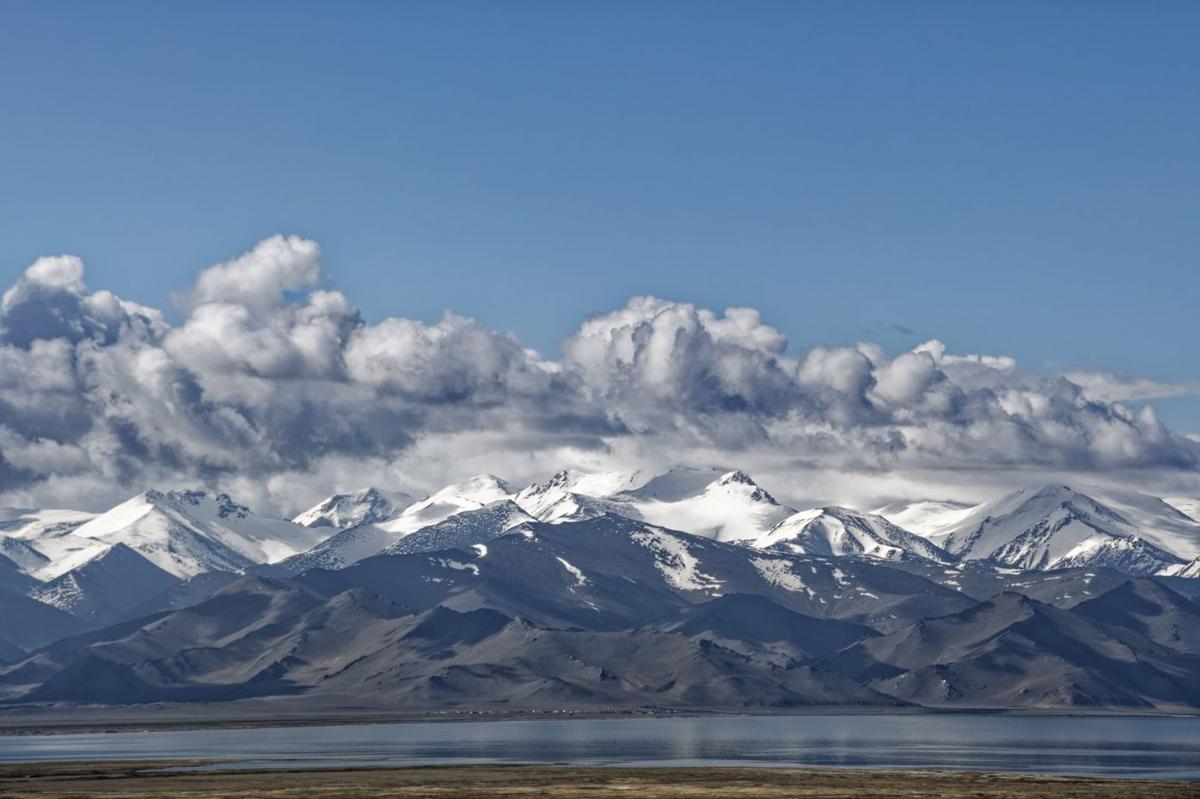
This is the most demanding region for packing. You spend days above 3,000 m, cross passes above 4,000 m, and sleep in simple homestays and guesthouses. Heating is often only a stove in the main room, if there is any.
- Warm clothes even in summer. In Murghab and Karakul, average summer nights are around 0–3°C, and frost is possible in any month. Pack a down jacket, warm hat, gloves and thermal layers.
- Sun protection. At high altitude, UV radiation is much stronger. Use high-SPF sunscreen, SPF lip balm, good sunglasses and a hat with a brim. Cover your skin on long drives, because the sun through the car window also burns.
- Sleeping bag or warm liner. Homestays provide blankets, but a sleeping bag rated to around 0°C (or a warm liner) makes cold nights much more comfortable and more hygienic.
- Wind protection. A windproof shell is important on the passes and at Karakul.
- Altitude. Ascend gradually where possible, drink water, avoid alcohol in the first days at altitude, and talk to your doctor about altitude medication before you travel.
- Basic facilities. Many homestays have outdoor toilets and limited hot water. Bring toilet paper, wet wipes and hand sanitiser.
- Modest dress. Most people in the western Pamirs (Khorog, Wakhan) are Ismaili Muslims; around Murghab and Karakul most are Kyrgyz Sunni Muslims. All are very hospitable. Dress modestly in villages, as you would elsewhere in rural Tajikistan.
Dress code and culture
The general picture
Uzbekistan and Tajikistan are Muslim-majority countries with secular governments. There is no legal dress code for tourists, and you will not be expected to dress like locals. The one legal limit: Uzbekistan fines clothing that hides the face in public. Still, people appreciate visitors who dress modestly, especially outside big cities.
- Tashkent and other big cities: Relaxed. Knee-length shorts, T-shirts and summer dresses are common among young locals and visitors in central Tashkent.
- Historic cities (Samarkand, Bukhara, Khiva): Fine to wear normal travel clothes, but many sites are religious. Covering shoulders and knees means you never need to change.
- Villages, the Fergana Valley and rural Tajikistan: More conservative. Long trousers or skirts and sleeved tops are the respectful choice for men and women.
Shorts
- Men: Knee-length shorts are acceptable in cities and on hikes. Long trousers are better for mosques, shrines, villages and home visits.
- Women: Shorts are seen in central Tashkent, but they draw attention elsewhere. Knee-length or longer skirts, culottes or light trousers are more comfortable socially and also protect from the sun.
Mosques, shrines, mausoleums and madrasahs
Not every historic building is a functioning religious site. Many madrasahs at the Registan in Samarkand and in old Bukhara and Khiva are now museums or craft workshops, where normal modest clothes are fine. Active mosques and pilgrimage sites need more care.
For active mosques and shrines:
- Everyone: Cover shoulders and knees. No sleeveless tops, short shorts or short skirts.
- Women: Cover your hair with a scarf when entering an active mosque or a pilgrimage shrine. Some sites lend scarves or wraps at the entrance, but they can run out in busy periods, so carry your own. In Tajikistan, women are generally not admitted to mosques during prayers; ask your guide before entering.
- Shoes: Take your shoes off before stepping onto carpets in prayer halls and some shrine rooms. Look at what local visitors do, or ask your guide.
- Behaviour: Speak quietly, do not walk in front of people who are praying, and always ask before photographing people, especially women and children; Uzbekistan has moved to make consent a legal requirement. Some sites charge a small fee for photography.
Important sites where these rules matter include:
- Hazrati Imam complex, Tashkent – a working mosque complex and the spiritual centre of Tashkent.
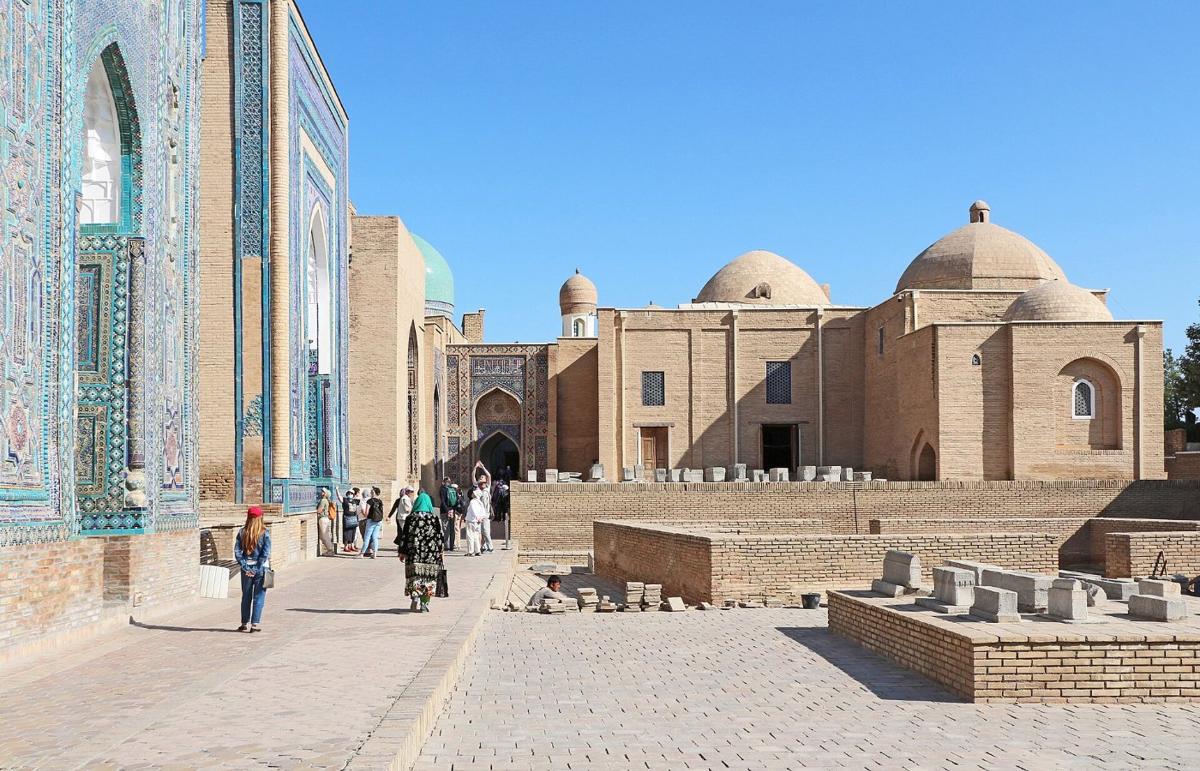
- Shah-i-Zinda, Samarkand – a necropolis that is also an active pilgrimage site. Many local women cover their heads here.
- Imam al-Bukhari complex, near Samarkand – a major pilgrimage site.
- Bahouddin Naqshband complex, near Bukhara – one of the most important Sufi shrines in Central Asia, visited by pilgrims from many countries.
- Friday mosques in all cities, especially at prayer times.
Swimming
- At Charvak, Aydarkul and lake resorts, normal swimwear is fine at beaches used by locals and visitors.
- At Iskanderkul and the Seven Lakes, the water is very cold, and there are few swimming areas. If you do swim, change discreetly and cover up when you leave the water.
- Avoid swimming or sunbathing near villages or holy springs. Some springs and lakes are considered sacred.
Home visits, weddings and celebrations
- Take your shoes off at the door. Slippers are often offered.
- For a home visit, wear long trousers or a skirt and a sleeved top.
- Weddings are big, festive events. Locals dress up. Smart casual clothes are fine for guests, and women may want a dress or skirt with sleeves. A small gift for the hosts is appreciated.
Ramadan
During the holy month of Ramadan, many people fast from sunrise to sunset. In both countries, cafés and restaurants usually stay open, especially in cities. Dress modestly, avoid eating or drinking openly near mosques, and be patient with changed opening times. In 2027, Ramadan is expected to begin around 8 February and end around 8–9 March, depending on the moon.
Tajikistan specifics
- Tajikistan is officially secular, and most people are Sunni Muslims. In the Pamirs, most people are Ismaili Muslims.
- In June 2024, Tajikistan passed a law against “clothing alien to the national culture”. Media reports describe it as aimed mainly at Islamic dress such as the hijab worn by citizens. For tourists, modest, everyday travel clothing is the right choice. A simple scarf for a mosque visit is normal.
- In both countries, avoid public displays of affection.
- The FCDO notes that people in rural areas may be conservative and that public displays of affection can attract negative attention outside the main cities.
- In both countries, you must carry your passport (in Tajikistan, a notarised copy is also accepted, according to the FCDO).
Footwear
The right shoes matter more than any other item.
- City walking shoes. Comfortable, broken-in trainers or walking shoes for stone paving, cobbles and uneven steps. You can easily walk 10–15 km a day in Samarkand or Bukhara.
- Slip-on shoes or sandals. Useful for mosques, homes, homestays and yurt camps, where you take shoes off often.
- Hiking boots or trail shoes. For the Fann Mountains, Seven Lakes, Iskanderkul, Nuratau and any walking in the Pamirs. Ankle support helps on loose rock.
- Winter shoes. Waterproof shoes with good grip for winter. Stone and tiled surfaces in historic centres are slippery when icy.
- Socks. Clean, warm socks are important, because you are often in socks indoors.
Essentials checklist
Clothing and protection
- Sunscreen (SPF 30–50+) and SPF lip balm
- Sun hat with a brim
- Sunglasses with UV protection
- Light scarf or shawl (sun, dust, religious sites)
- Layers: T-shirts, long-sleeve tops, fleece or wool jumper
- Light waterproof jacket (spring, autumn, mountains)
- Down jacket, warm hat and gloves (mountains, Pamirs, winter)
- Swimwear (summer, lakes, hotel pools)
Health and hygiene
- Personal medicines in original packaging, with a copy of your prescription. Medicines with codeine or tramadol and some ADHD medicines are restricted, especially in Uzbekistan; check with the embassy before travelling.
- Stomach remedies (anti-diarrhoea tablets, oral rehydration salts)
- Painkillers and plasters
- Altitude medication, if your doctor recommends it, for the Pamirs
- Hand sanitiser and wet wipes
- Toilet paper or tissues. Many public and roadside toilets do not provide it.
- Insect repellent for summer evenings, especially near water
Gear
- Refillable water bottle
- Headlamp or small torch (yurt camps, homestays, power cuts in rural areas)
- Power adapter: both countries use Type C and Type F plugs (two round pins), 230 V, 50 Hz. Travellers from the UK, the USA and many other countries need an adapter. Check that your devices accept 230 V.
- Power bank for long drives
- Sleeping bag or warm liner for Pamir and mountain homestays
- Small daypack
- Earplugs for trains and guesthouses
Laundry
Most hotels in Tashkent, Samarkand, Bukhara, Khiva, Dushanbe and Khujand offer laundry service for a fee. In homestays and in the Pamirs, laundry is limited and drying can be slow. Pack quick-dry clothes and plan a laundry stop in a city in the middle of a long trip.
What you can buy locally, and what is harder to find
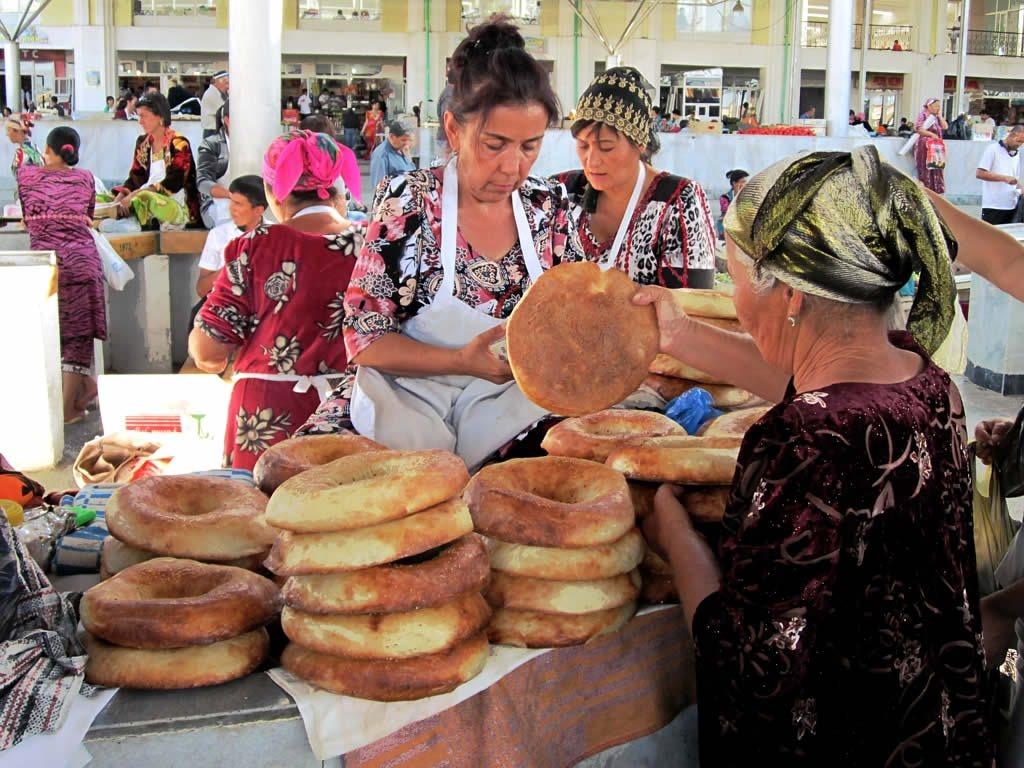
- Easy to buy in cities: Basic clothing, scarves, hats, bottled water, snacks, toiletries, basic medicines, SIM cards. Bazaars in Samarkand and Bukhara sell light cotton and ikat clothing and scarves.
- Harder to find: Good quality sunscreen, specialist outdoor gear (down jackets, hiking boots, sleeping bags), specific medicines and brands, and contact lens solution outside big cities. In the Pamirs, shops are small and supplies are basic.
Cash
Cards are accepted in many hotels, restaurants and shops in the main Uzbek cities, and ATMs are common there. In Tajikistan, especially outside Dushanbe and Khujand, cash is much more important. Carry enough local currency for villages, homestays, small shops and tips. Clean, undamaged US dollar notes are the easiest foreign currency to exchange.
Luggage
- Pamir Highway and mountain trips: Use a soft duffel bag or backpack. Hard suitcases are difficult to fit in 4x4 vehicles, and roads are rough. Keep a small daypack with warm clothes, water, snacks and sun protection with you in the car.
- Trains in Uzbekistan: Passengers may carry up to 36 kg of luggage. Space for large suitcases on high-speed trains is limited, so smaller bags are easier. More in our guide to trains in Uzbekistan.
- Domestic flights in Uzbekistan: On Uzbekistan Airways economy fares, the allowance depends on the fare type. For example, SMART includes one checked bag up to 23 kg, COMFORT up to 32 kg, and LITE includes no checked bag. Hand luggage is one piece up to 8 kg. Other domestic airlines have their own allowances. Always check your ticket.
Special trips
- Horse riding (Nuratau, desert areas): Long trousers that do not rub (riding trousers or soft hiking trousers), closed shoes with a small heel, a sun hat or cap with a chin strap, gloves, and sunscreen. A helmet is a good idea; ask us in advance if you want one arranged.
- Trekking (Fann Mountains, Seven Lakes, Nuratau): Broken-in hiking boots, hiking socks, a rain shell, a warm layer, a 20–30 litre daypack, water purification, and blister care.
- Skiing (Amirsoy, Chimgan): Ski jacket and trousers, thermal layers, gloves, goggles and helmet. Rental equipment is available at the resorts.
- Desert yurt camp: Warm evening layer, headlamp, closed shoes, a scarf for wind and sand, and a small overnight bag so you can leave your main luggage in the car.
- Night trains: Comfortable loose clothes to sleep in, slippers or sandals, a small bag with toiletries and water, and earplugs. Carriages can be warm in summer and cool in winter, so a light layer helps.
Honest tips and common mistakes
- Papers for the Pamirs. You need a GBAO permit for the Pamirs, and it can be suspended at short notice. Carry printed copies of the permit and your visa or e-visa. See our Tajikistan visa guide.
- Keep your registration slips from hotels in Uzbekistan until you leave the country. See our Uzbekistan visa guide.
- Tap water is not safe to drink. Use bottled water, or bring a filter bottle or purification tablets, on every trip.
- Connectivity. Mobile coverage is patchy in the mountains and the Pamirs. Buy a local SIM or eSIM and download offline maps.
- Drones need a permit in both countries and can be confiscated on arrival. Leave them at home unless you have arranged permission.
- Packing only summer clothes for a summer trip with mountains. If your route includes the Pamirs, Iskanderkul or the Seven Lakes, you need a warm jacket even in July.
- Underestimating the heat. In July and August, plan city walks for early morning and late afternoon. Drink often, even if you do not feel thirsty.
- Forgetting the scarf. It is the most useful item in your bag: sun cover, dust mask, head cover for shrines, and an extra layer on cold evenings.
- New shoes. Do not start your trip in new shoes. Blisters on day two can spoil a week of sightseeing.
- Hard suitcases on the Pamir Highway. A soft bag is easier for everyone.
- Relying only on cards. Keep cash, especially in Tajikistan and in rural areas.
- Overpacking. Laundry service is available in cities, and you can buy light clothes and scarves in the bazaars. Two or three outfits for the day plus warm layers is usually enough.
- Ignoring the weather forecast. The averages in this guide are a starting point. Check a forecast a few days before you leave, because spring and autumn can change quickly.
Travel with TravelX
TravelX is a licensed tour operator based in Tashkent. We run private and group tours, transfers and multi-day trips across Uzbekistan and Tajikistan: from the Silk Road cities, the Fergana Valley and desert yurt camps to the Fann Mountains, the Seven Lakes and the Pamir Highway.
Every route and every month is different. If you are not sure what to bring, ask us for advice for your exact route and dates. We are happy to help.
- Website: travelx.uz
- WhatsApp: +998 97 652 25 25
- Email: info@travelx.uz
- Instagram: @travelx_uz
Sources
Climate and altitude:
- Wikipedia, Tashkent (climate table: Pogoda.ru.net, NOAA)
- Wikipedia, Samarkand (climate table: Pogoda.ru.net, NOAA)
- Wikipedia, Bukhara (climate table: NOAA, Meteomanz)
- Wikipedia, Urgench (climate table: Pogoda.ru.net, NOAA)
- Wikipedia, Nukus (climate table: NOAA)
- Wikipedia, Fergana (climate table: Pogoda.ru.net, NOAA)
- Wikipedia, Chimgan
- Wikipedia, Amirsoy Mountain Resort
- Wikipedia, Dushanbe (climate table: Pogoda.ru.net)
- Wikipedia, Khujand
- Wikipedia, Khorugh
- Wikipedia, Murghob
- Wikipedia, Iskanderkul
- Wikipedia, Ak-Baital Pass
- Wikipedia, Kyzylart Pass
- Weather2Travel, Murgab climate
- Weather2Travel, Iskandar Kul climate
- Weather2Travel, Panjakent climate
- Weather2Travel, Karakul climate
- Climate-Zone, Murgab (ERA5-Land 1991–2020)
- Orexca, Seven Lakes (lake altitudes)
- Dangerous Roads, Anzob Pass
Laws, customs and safety:
- UK FCDO, Uzbekistan travel advice
- UK FCDO, Uzbekistan health
- UK FCDO, Tajikistan travel advice
- UK FCDO, Tajikistan entry requirements (GBAO permit)
- Meduza, “Taking on ‘alien clothing’” (Tajikistan 2024 law)
- The National, expected Ramadan 2027 dates
Practical information:
- WorldStandards, plugs and voltage, Uzbekistan
- WorldStandards, plugs and voltage, Tajikistan
- Uzbekistan Airways, free baggage allowance
- Advantour, Uzbekistan train information
- Eurasia Travel, Tajikistan trip planning
- Wendy Wu Tours, Central Asia fact sheet
- The Wandering Quinn, What to wear in Uzbekistan
- MileHacker, What to pack for the Pamir Highway