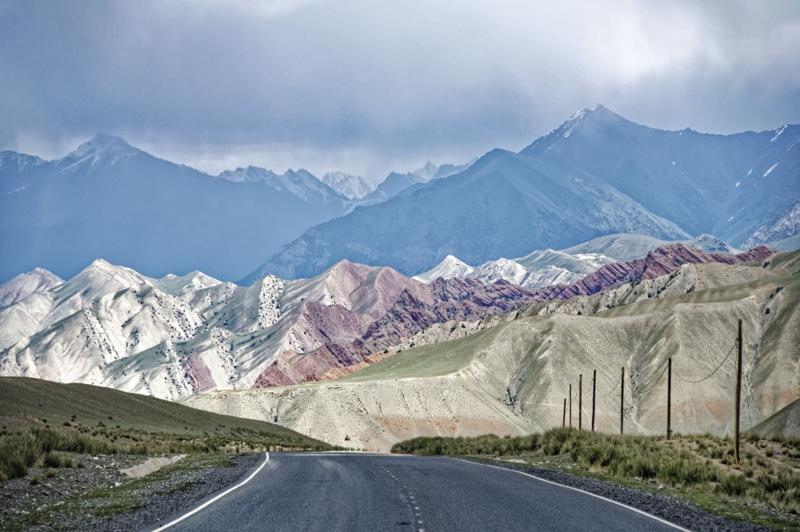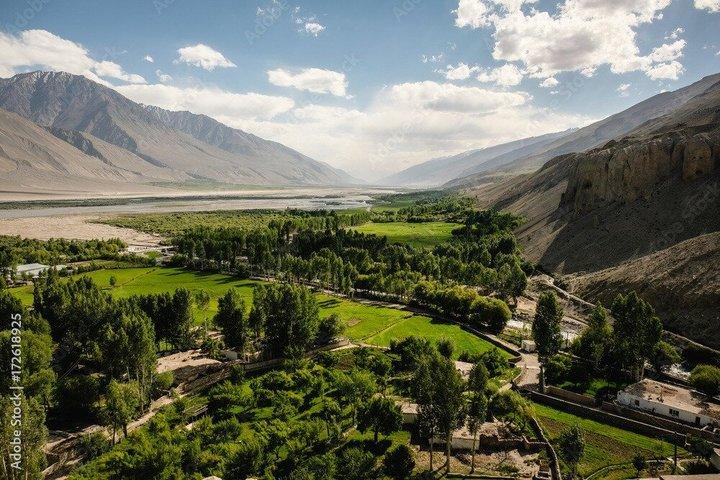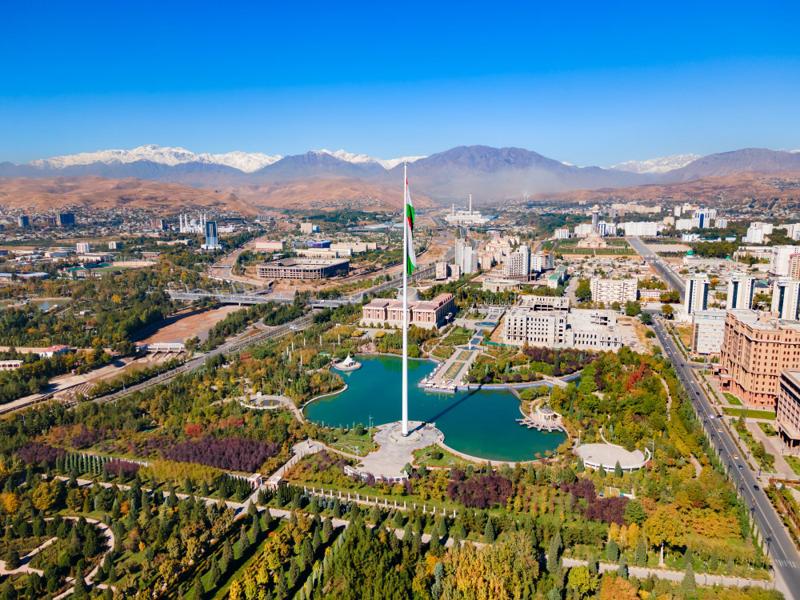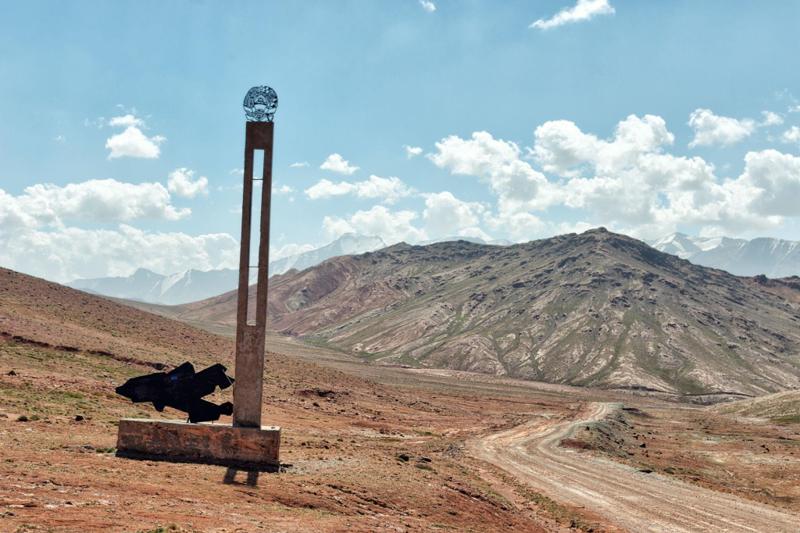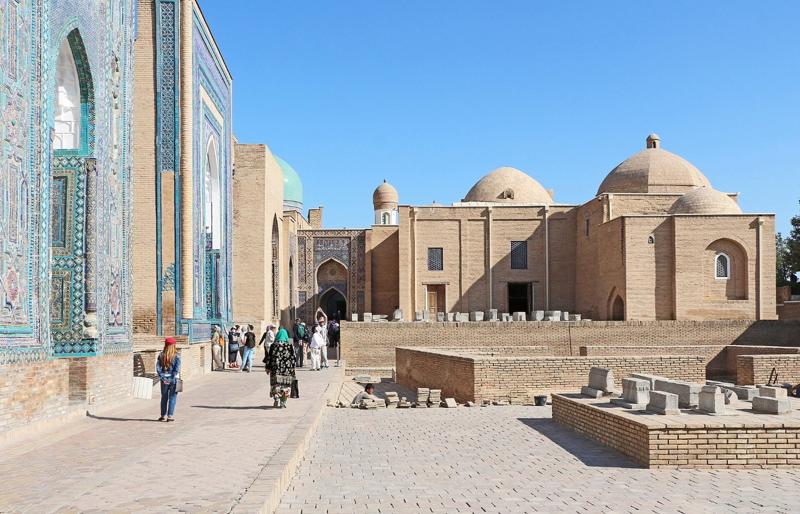
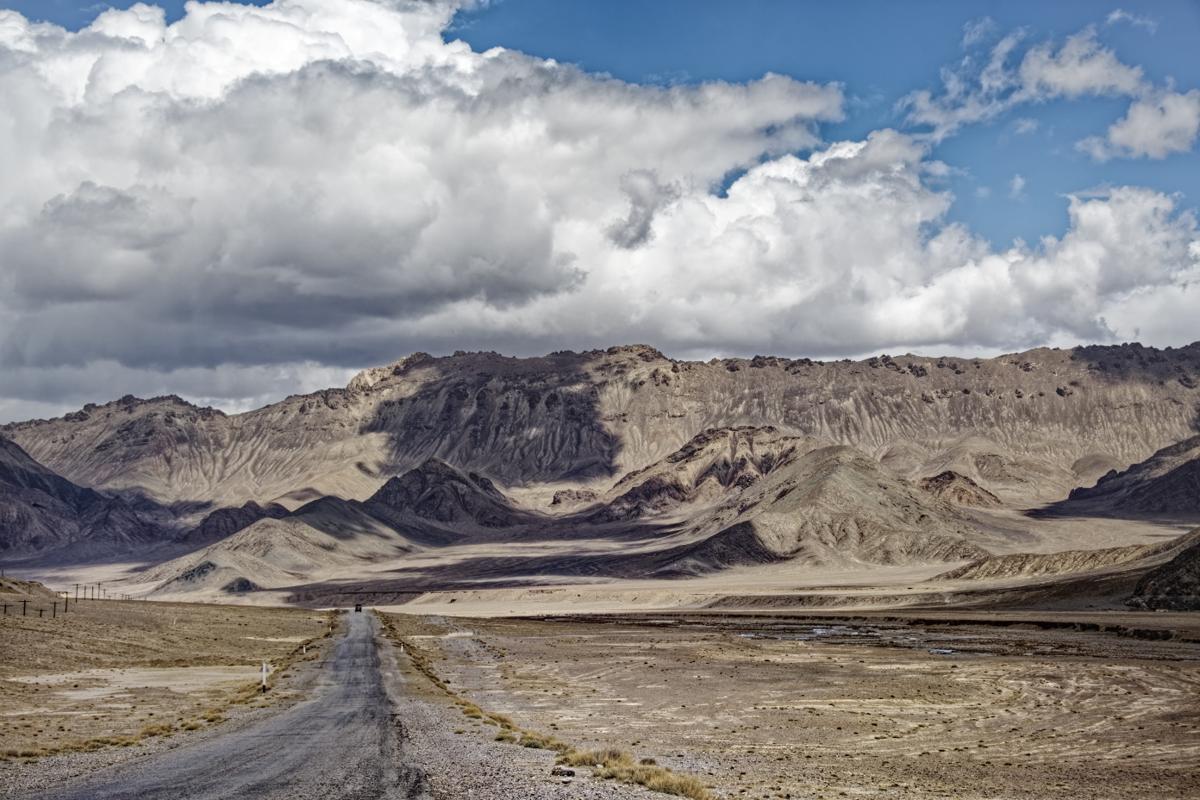
Big mountain views come with practical questions. Here is what to arrange before a Pamir Highway trip, how to plan around altitude, and what deserves a place in your bag.
On this page
The Pamir Highway rewards travelers who leave room in their schedule. Between river valleys, mountain villages and the high plateau of eastern Tajikistan, the scenery changes dramatically. Road conditions, weather and access can change too.
For the familiar journey between Dushanbe and Osh, preparation starts with three things: permission to follow your route, a realistic plan for sleeping at altitude, and reliable transport.
Which permits do you need?
Check entry requirements for each country first. Tajikistan and Kyrgyzstan have separate immigration rules, and your passport determines whether you need a visa. If using Tajikistan's e-visa system, check the validity dates, permitted stay and number of entries carefully. Apply through the official Tajik consular service.
Arrange your GBAO permit before entering the region. The Gorno-Badakhshan Autonomous Region covers much of the Pamir journey. Its travel permit is separate from permission to enter Tajikistan. The official consular website currently lists a US$20 GBAO permit fee; confirm the current application process and total charges when arranging yours.
Carry your passport, permit and relevant visa documents, with printed backups and offline copies. Patrols can check documents, particularly near the Afghan border. Permit issuance can also be suspended at short notice.
Check detours and border crossings separately. Do not assume a GBAO permit authorizes every restricted side trip. Ask about additional permissions for your exact itinerary, particularly around protected lakes and frontier areas. For a journey continuing into Kyrgyzstan, confirm that your intended crossing is accepting foreign travelers shortly before departure. Border access can change suddenly.
Registration requirements are another separate check. Confirm what applies to your entry category and length of stay before leaving Dushanbe; do not assume every hotel can handle it.
Altitude: Plan Your Overnight Stops
The eastern Pamirs are high enough for altitude illness to affect an ordinary road trip. Being fit does not protect you from it.
- Murghab: approximately 3,630 metres. This is a substantial sleeping altitude.
- Karakul village: approximately 3,930 metres. Allow for acclimatization before an overnight stay.
- Ak-Baital Pass: approximately 4,655 metres. A high crossing, usually visited briefly.
Elevations are approximate.
The crucial detail is how high you sleep, not simply the highest point your vehicle reaches. Build your itinerary around gradual overnight gains. CDC guidance recommends avoiding a direct ascent from low altitude to a sleeping elevation of about 2,750 metres or higher in one day. Above 3,000 metres, aim to increase sleeping elevation by no more than about 500 metres per day, with an extra acclimatization day for each additional 1,000 metres.
A driveable road can climb faster than your body adjusts. Ask your operator to show the elevation of every overnight stop. Keep your first days at altitude gentle, and discuss preventive medication with a travel-health clinician if your route involves rapid ascent.
Headache with nausea, dizziness or unusual fatigue after ascending can indicate altitude illness. Do not move to a higher sleeping altitude while symptoms persist. Descend if symptoms worsen despite resting at the same elevation. Confusion, loss of coordination or breathlessness at rest require urgent descent and medical assistance.
Choose Transport Carefully
For a first visit, an experienced local driver and a well-maintained 4x4 are a sensible choice. Ask about working seatbelts, spare tires, recovery equipment, fuel planning and what happens after a breakdown. Fuel stations are scarce outside towns, and conventional roadside assistance is unavailable.
For self-driving, verify licence and International Driving Permit requirements, vehicle documents, insurance and permission to cross borders with a rental. Schedule driving in daylight and leave space for delays. Local tourism guidance also recommends considering two vehicles for routes through uninhabited territory.
What to Pack
- Warm layers: A base layer, fleece, insulated jacket, windproof outer layer, warm hat and gloves.
- Sun protection: Sunglasses, a brimmed hat, high-SPF sunscreen and protective lip balm.
- Water and food: Refillable bottles, an appropriate water-treatment method and snacks for delayed travel days.
- Personal health supplies: Regular medication, prescription information, a basic first-aid kit, blister care and oral rehydration salts.
- Power and navigation: A headlamp, power bank, charging cables, offline maps and saved accommodation contacts.
- Documents and cash: Passport, permits, insurance details and sufficient local currency, including smaller notes.
- Overnight essentials: Comfortable walking shoes, toiletries, toilet paper, hand sanitizer and a sleeping liner if preferred.
Before departure, confirm that your insurance covers your route, planned activities, maximum altitude and medical evacuation. Discuss emergency communication with your operator; mobile coverage in remote areas is limited.
Leave drones at home unless you have the required authorization. Tajikistan restricts their possession and use, and photography around military facilities and checkpoints is prohibited.
When to Go
Summer generally offers the most practical conditions for a first visit. July and August are useful starting points when planning high-altitude side trips; June and September require closer attention to snow and overnight temperatures. Even summer can bring snow at altitude.
Check current security advice as well as weather. Afghan-border sections have security and mine risks: follow local instructions and stay on established routes.
TravelX Advice
Give the Pamirs enough time. Choose overnight stops thoughtfully, keep a buffer before onward flights, and agree in advance how your driver will respond to illness, closures or a breakdown. A flexible itinerary makes room for both the difficult days and the places you will want to linger.
Practical information checked on 14 October 2026. Reconfirm permits, entry rules and route access before departure.