Samarkand Group Day Tour: Five Monuments with a Local Guide
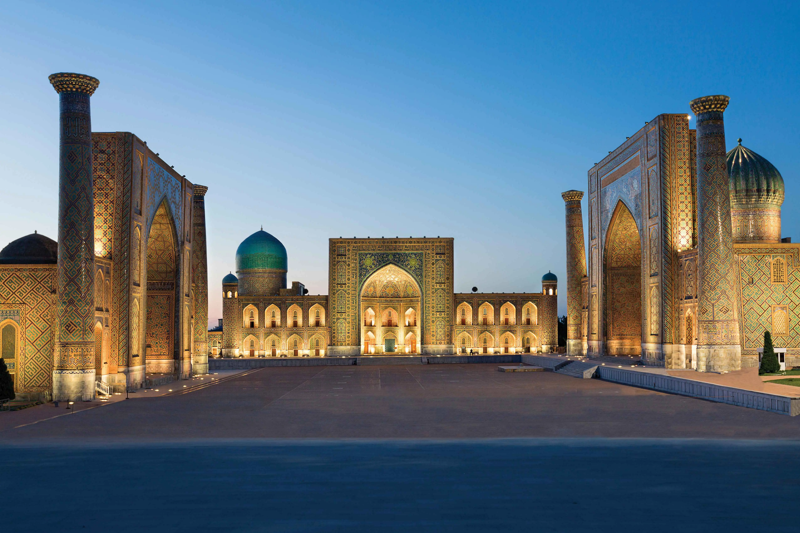
Five monuments in a day with a licensed guide: the Registan, Gur-e-Amir, Bibi-Khanym, Shah-i-Zinda and Ulugh Beg's observatory. Transport included. From $20.

The old city on foot with a licensed guide: Lyab-i Hauz, the trading domes, the Kalyan minaret, the Ark and the Samanid mausoleum. 4–6 hours, from $20.
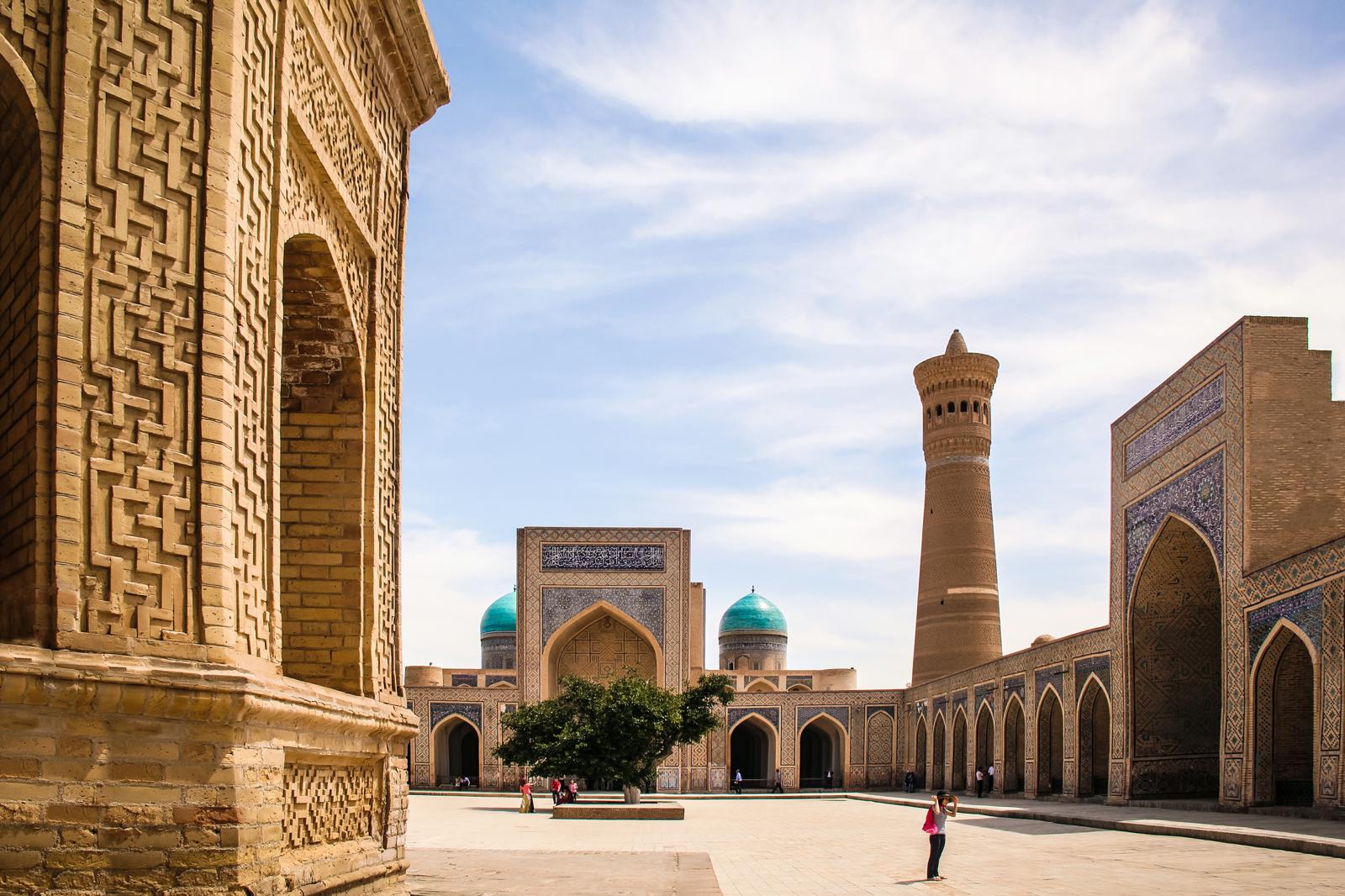
Bukhara is the one Silk Road city you do not need a car for. The old town is still the old town — a square kilometre of madrasahs, trading domes and houses, nearly all of it within twenty minutes of a single pool — and almost all of it is still in use. This is four to six hours of it on foot with a licensed guide, from the pool where the city still meets to the oldest building in Bukhara.
Four to six hours, all on foot, all within the old city. Nothing is more than twenty minutes from anything else, there is a break for lunch, and the distances are short enough that the pace is set by how long you want to stand and look.
The summer middle of the day is hot and the squares have little shade. Shoes for uneven brick.
Afternoon departures run from March to November; from December to February, please choose a morning departure.
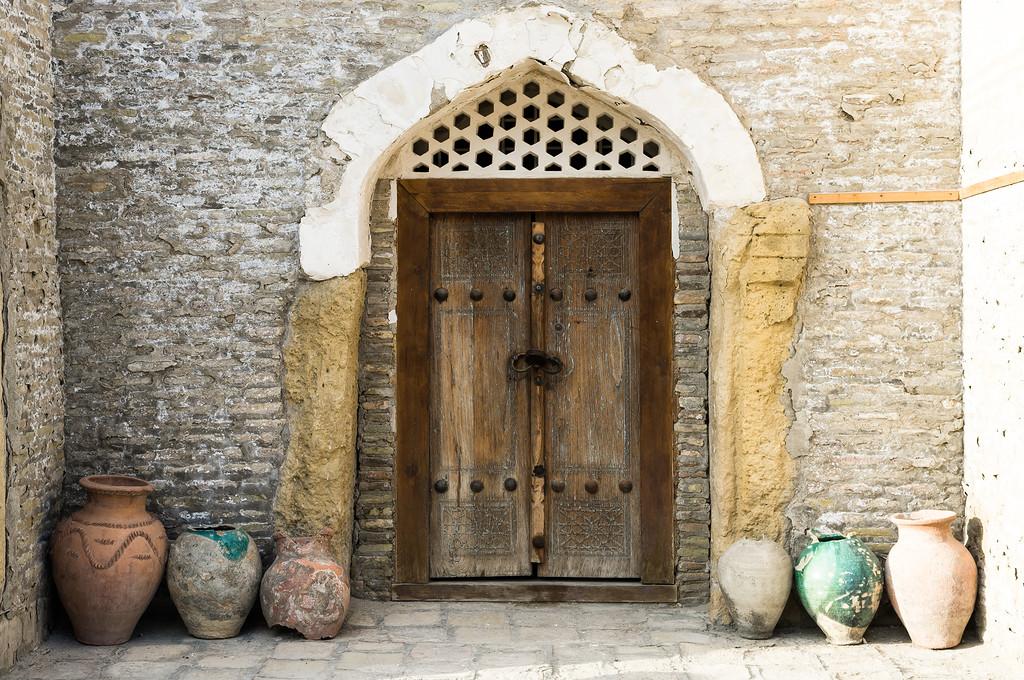
A small group — up to twenty people with one guide, never more — with a day in Bukhara. The buildings here are closer together and lower than Samarkand's, which makes them easier to walk and harder to read: half of what matters is a doorway, a brick pattern or a door that is older than the wall around it. That is what the guide is for.
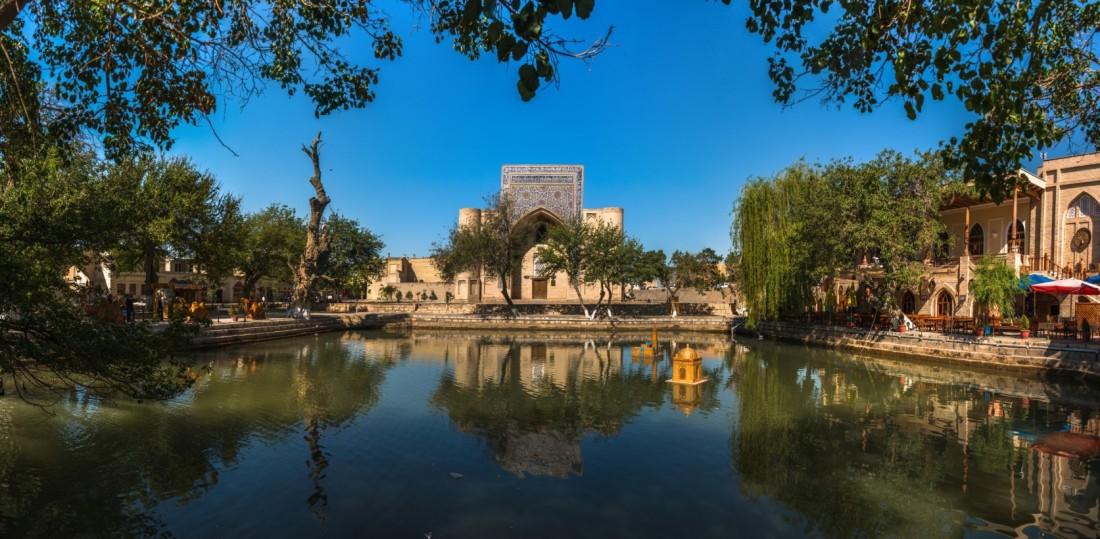
Start your day at the charming Lyab-i-Hauz Ensemble, a tranquil square built around a historic pool, surrounded by madrassahs and bustling tea houses. It’s the heart of old Bukhara life.
Walk through the ancient trading domes, once key stops on the Silk Road. Here, merchants still sell silk, spices, carpets, and handicrafts, keeping centuries-old traditions alive.
Visit the Magoki Attori Mosque, one of the oldest mosques in Central Asia, now also home to a carpet museum displaying Uzbek weaving artistry.
Explore the Ulugbek Madrasah, the city’s oldest madrassah, founded by the great astronomer and ruler Ulugbek in the 15th century.
Cross the street to the Abdulaziz-Khan Madrasah, richly decorated with 17th-century mosaics and intricate tilework, a striking contrast to Ulugbek’s madrassah.
Enjoy a traditional Uzbek meal at a local Chaykhana (tea house). Try dishes like plov, samsa, or shashlik (at your own expense).
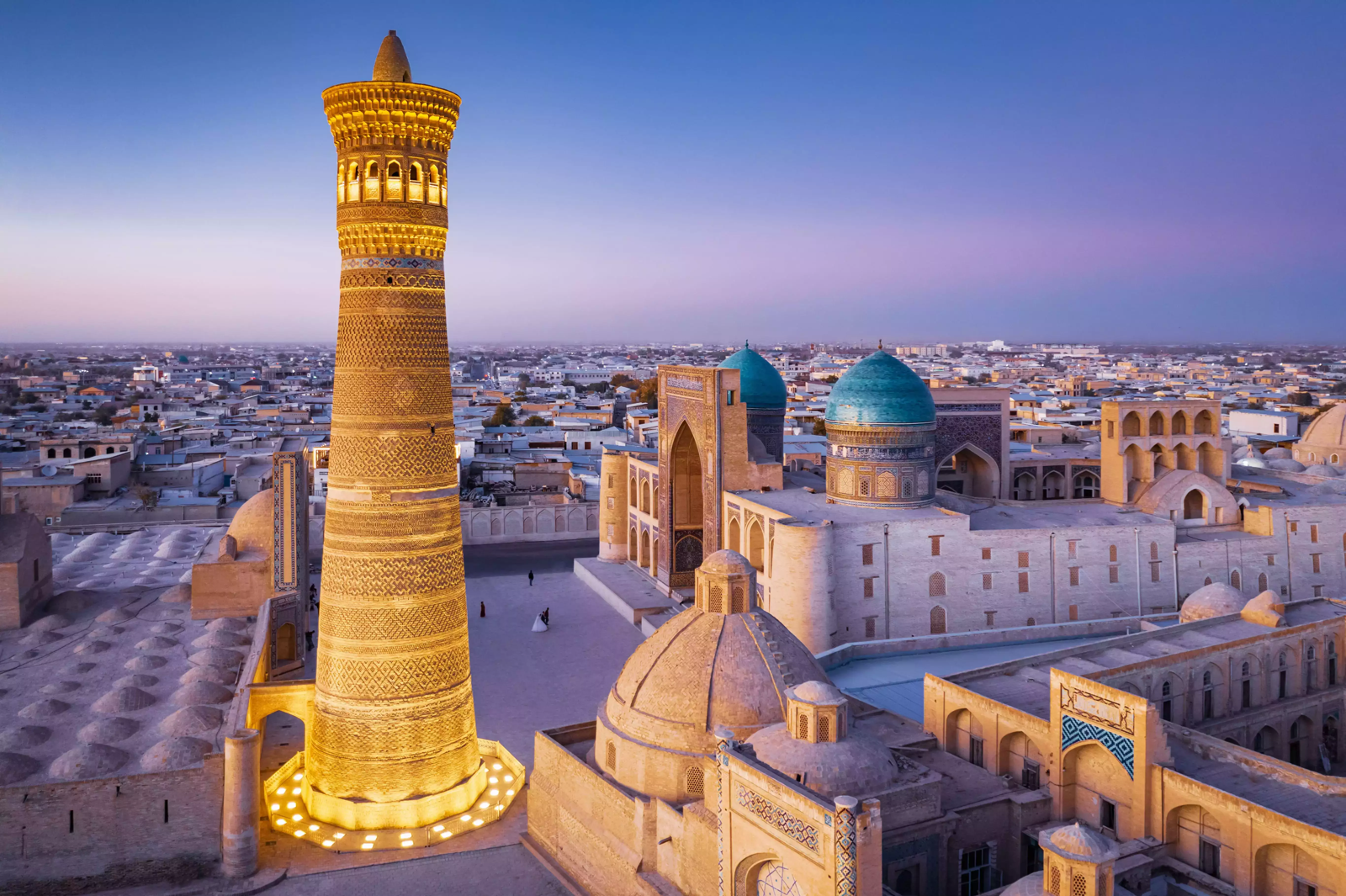
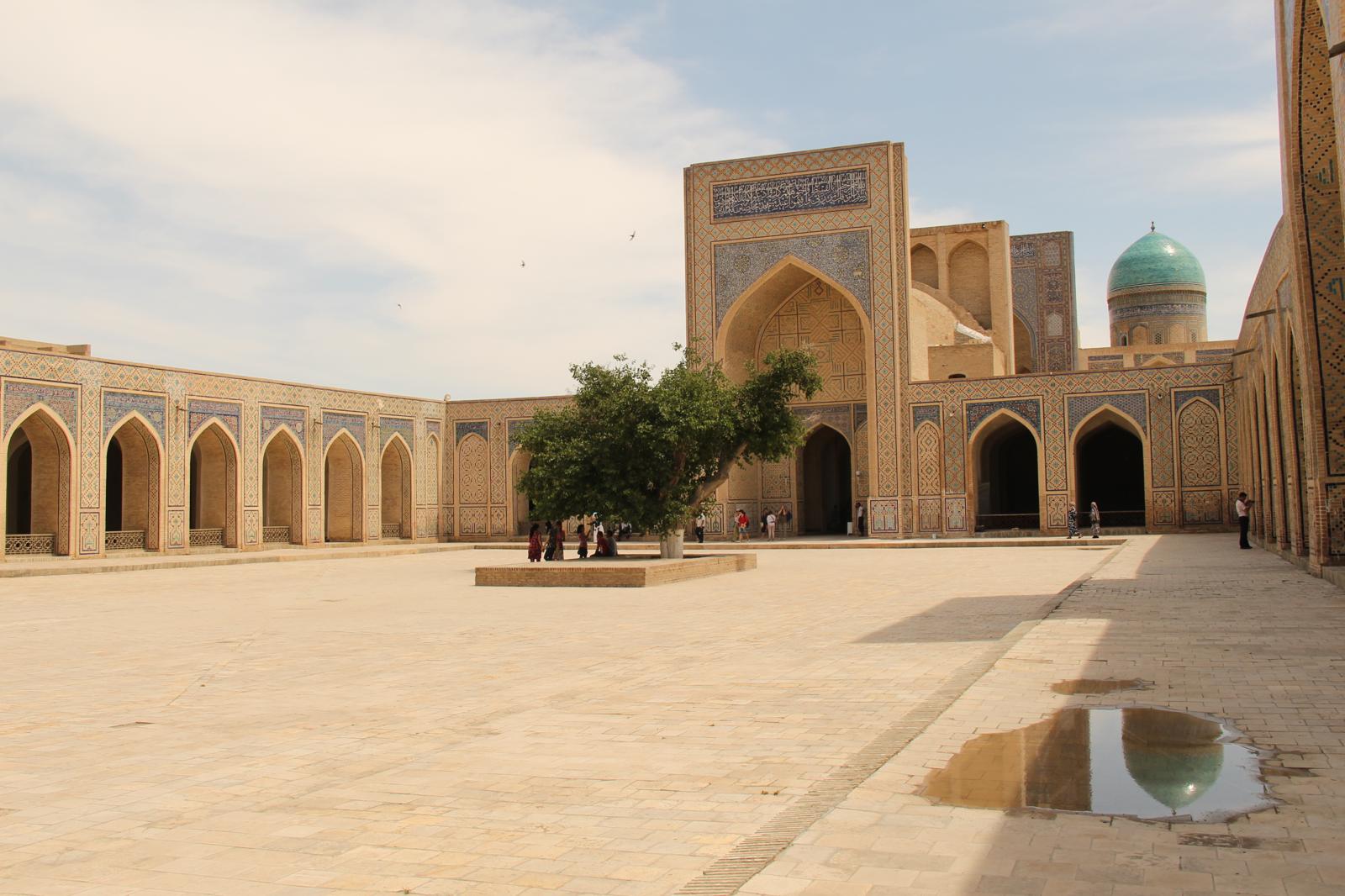
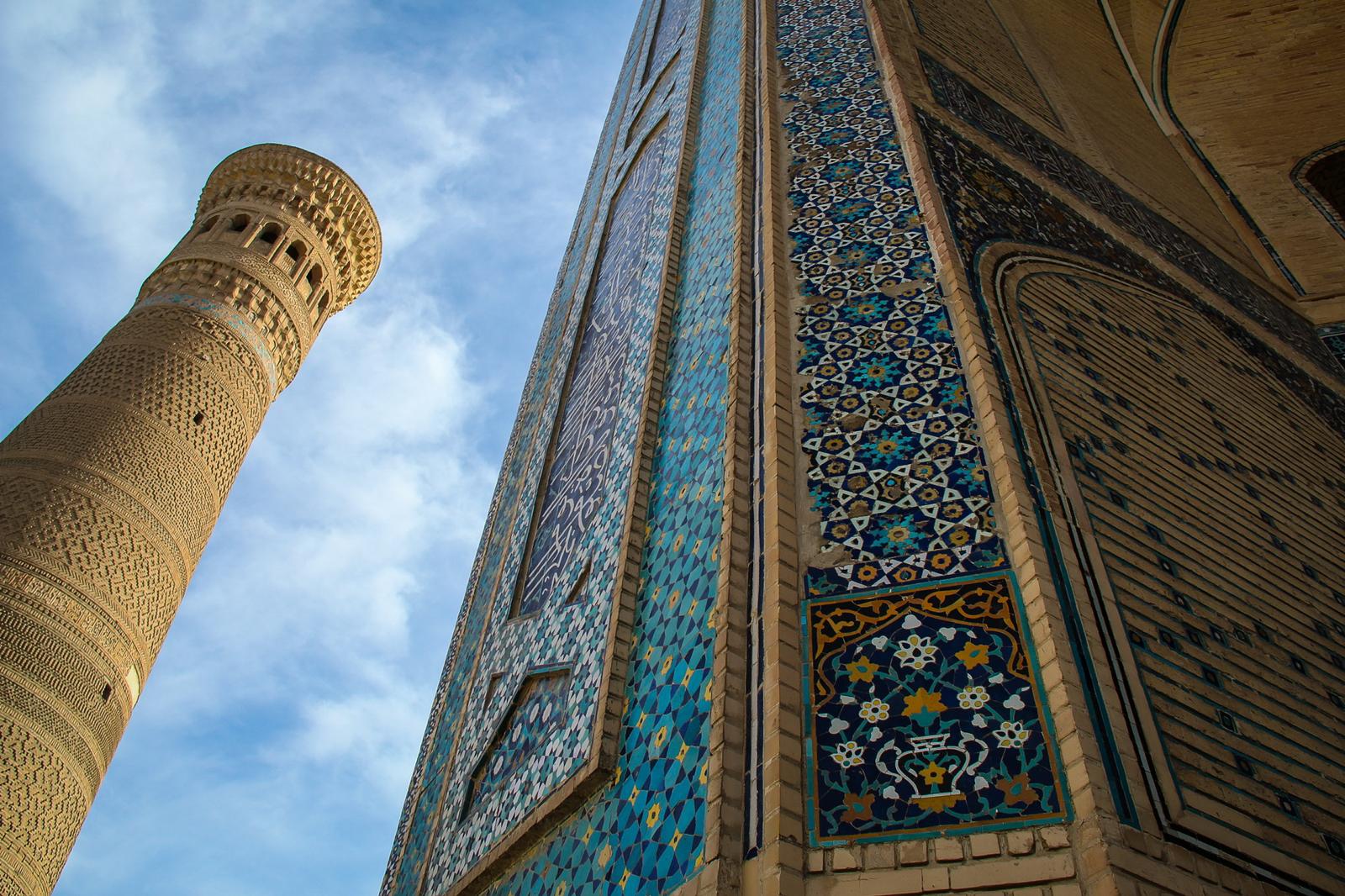
Stand in awe at the vast Poi Kalyan complex, featuring the Kalyan Mosque and the towering Kalyan Minaret, a symbol of Bukhara visible for miles.
Step into the imposing Ark Fortress, once the residence of Bukhara’s emirs, with royal courts, museums, and panoramic views of the city.
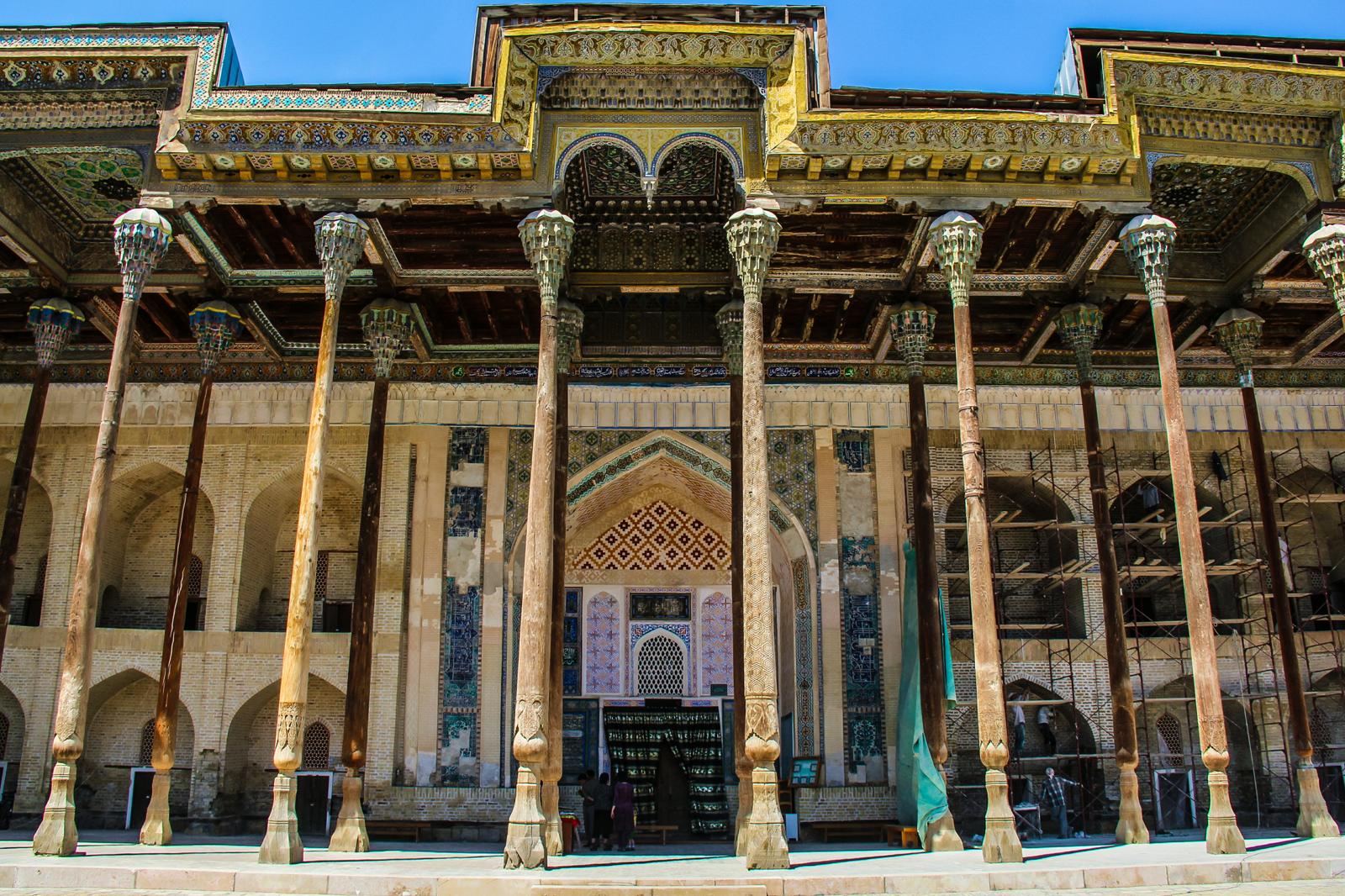
Admire the elegant Bolo Hauz Mosque, with its wooden columns reflected in the nearby pond, a peaceful place for reflection.
End the tour at the stunning Ismail Samani Mausoleum, a masterpiece of 10th-century architecture and one of Central Asia’s most revered monuments.
Five monuments in a day with a licensed guide: the Registan, Gur-e-Amir, Bibi-Khanym, Shah-i-Zinda and Ulugh Beg's observatory. Transport included. From $20.
Explore old and new Tashkent in one day with a professional guide: the bustling Chorsu Bazaar, the sacred Hazrati Imam Complex, the palace-like metro…
In July 2026 Tashkent's modernist architecture joined the UNESCO World Heritage List. See it with your own guide: the Palace of Arts, the Peoples'…