On this page
A plate and a length of cloth can tell you surprisingly little about the people who made them. Put both behind a shop window and the finished objects become the whole story. Follow them back to a workshop, however, and different questions appear: who chose the colours, which part took longest, and how does an apprentice learn to recognise a mistake?
That is the appeal of a Fergana Valley craft trip built around Margilan and Rishtan. Margilan offers a way into Uzbekistan’s silk and textile traditions; Rishtan is associated with its distinctive ceramics. Together they make a useful detour for travellers who want their Uzbekistan itinerary to include the work happening behind the souvenirs.
Give the route two days if you can. You could combine appointments into one busy day, but an overnight allows time for demonstrations, conversation and a purchase you have actually thought about. The most valuable thing to bring home may be the ability to explain how something was made.
Why Margilan and Rishtan belong together
The connection is more interesting than a convenient shopping itinerary. Both places reward attention to a sequence: raw material, preparation, skilled handling, finishing. A display shelf presents a result. A good visit reveals the decisions that produced it.
There is also a living cultural reason to go. UNESCO selected the Margilan Crafts Development Centre’s work safeguarding atlas and adras making for its Register of Good Safeguarding Practices in 2017. The centre itself began in 2007 through a community initiative. The recognition concerns safeguarding knowledge and passing it on, rather than declaring every fabric sold in Margilan a UNESCO-certified product.
In Rishtan, Uzbekistan’s national tourism portal describes home workshops and master-to-apprentice teaching alongside the city’s ceramics tradition. Visiting thoughtfully means treating that work as someone’s livelihood. A demonstration is time given by a skilled person; it deserves a clear arrangement, whether or not you buy anything afterwards.
Margilan: learn to read the fabric
Begin with the cloth itself. Ask to see its front and reverse, then hold a small section against the light if the maker agrees. Ask about the fibre content, the weaving method and the place where the work was done. These questions provide more useful information than simply asking whether something is “authentic”.
Atlas and adras are names worth learning before you browse. In the traditional textile classification described by Uzbekistan’s Cultural Legacy project, silk fabrics use silk in both warp and weft, while adras combines a silk warp with a cotton weft. Modern shop labels can cover different products, so check the composition of the particular piece in your hand.
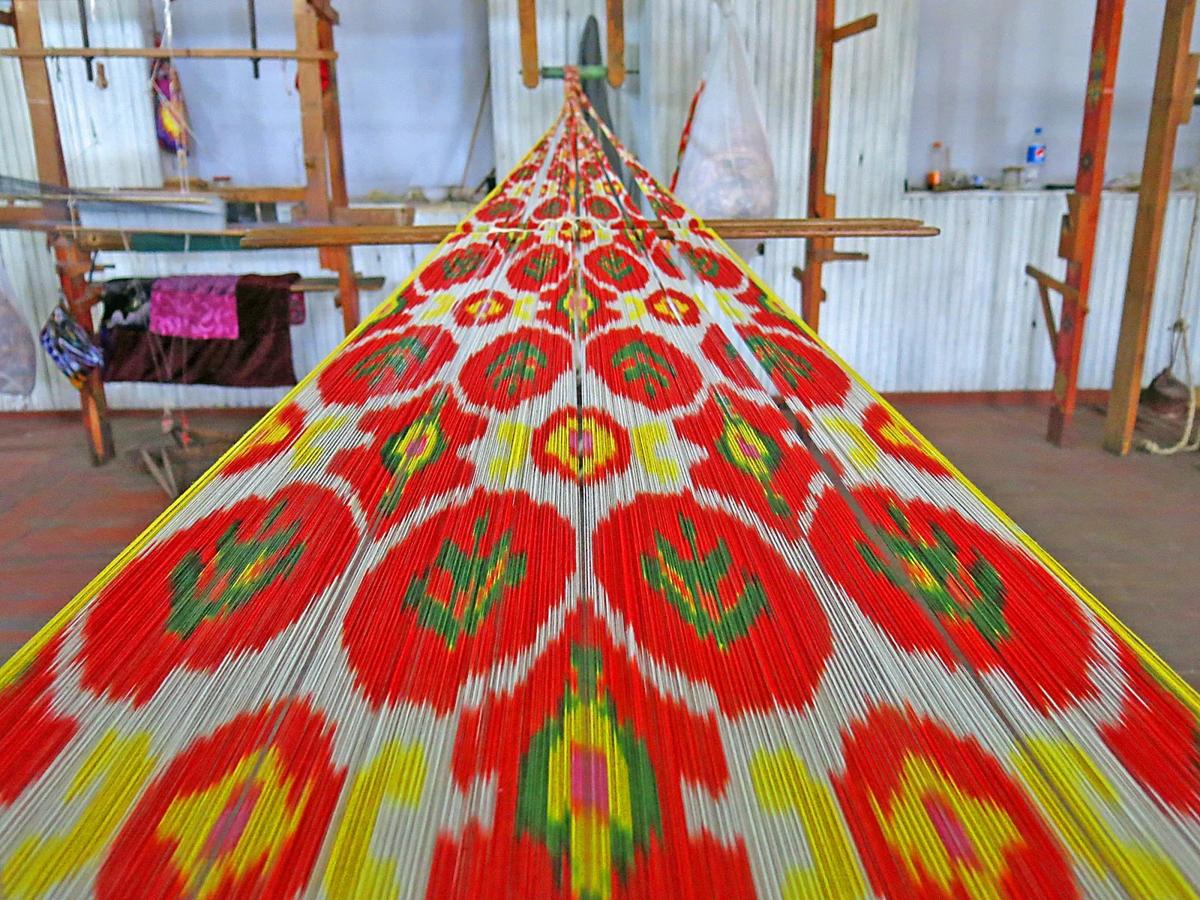
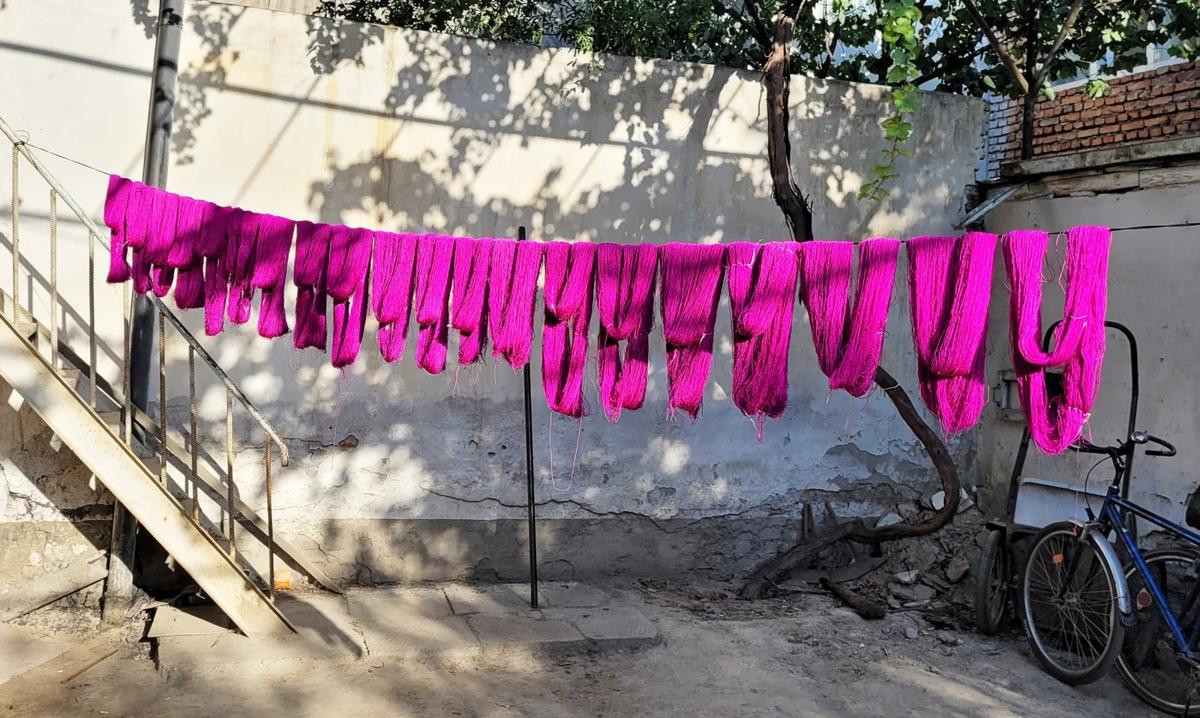
Ikat describes a technique in which sections of yarn are bound to resist dye, creating the pattern before the cloth is woven. That order of work is the interesting part: ask to see how a design in the threads relates to the finished fabric. It gives you something specific to follow during a demonstration.
The distinction matters when choosing something to use at home. Tell the seller whether you want a scarf, a cushion cover, fabric for a garment or a piece to frame. Ask about washing, shrinkage, colour care and the usable width. Buying beautiful cloth without knowing how you will look after it can turn an enjoyable purchase into an expensive object left in a drawer.
Yodgorlik is a useful name to discuss when arranging a visit. The national tourism portal dates the Margilan silk factory’s opening to 1972 and describes traditional manual production there. Confirm what will actually be operating on your date: a working factory, a demonstration and a shop visit are different experiences, even when they share an address.
Before arriving, ask for a visit that explains the stages rather than moving straight to finished goods. You do not need a technical lecture. Following one piece of material through a few clearly explained steps is enough to make the final cloth far more interesting.
Rishtan: look beyond the blue
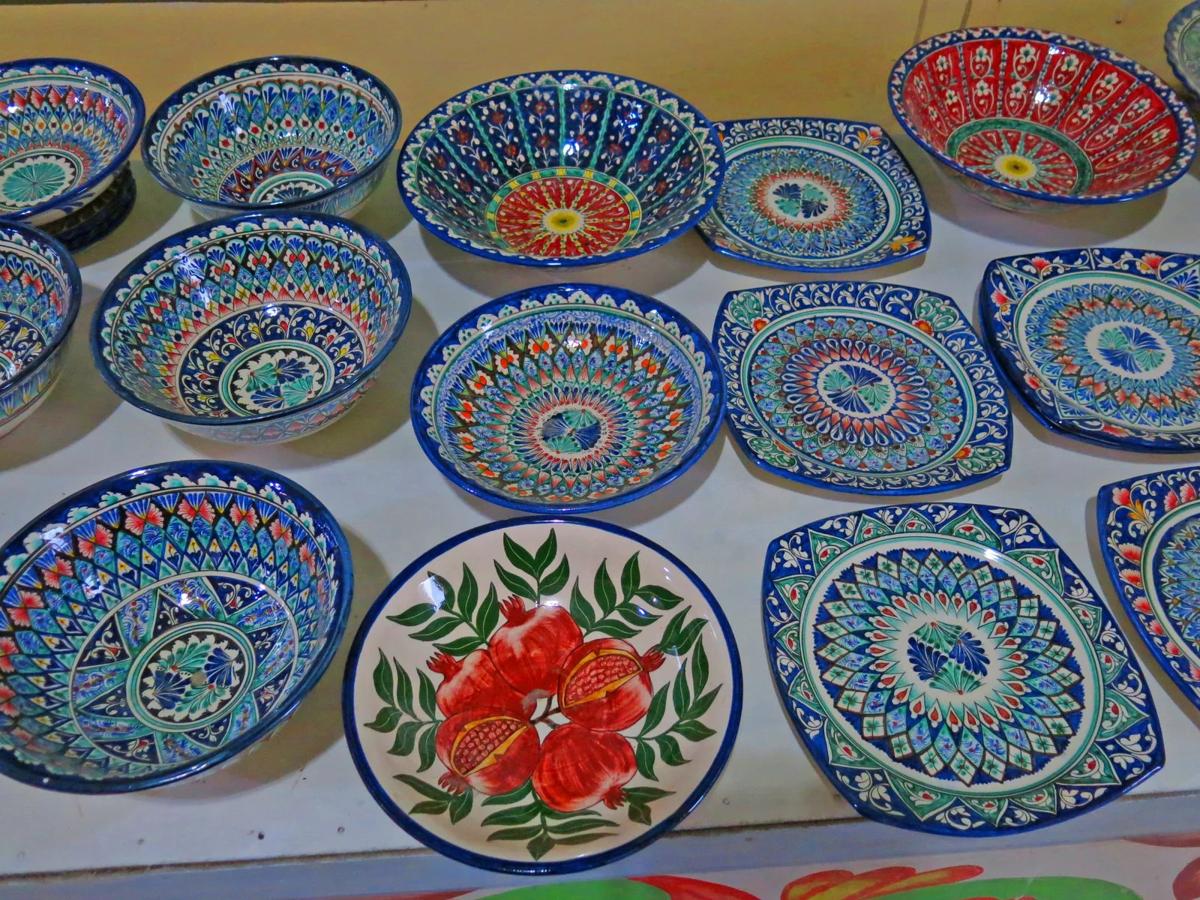
Rishtan’s ceramics are strongly associated with blue and turquoise decoration. That colour is a good starting point, but it should not be the only thing you notice. Look at the profile of a bowl, the weight of a plate, the spacing of a border and the way a pattern fits the curve of the surface.
Ask the potter which processes happen in that workshop. Does the maker shape, paint and fire the pieces there? Are several people involved? Which work belongs to the master, and which to the apprentices? Collaboration does not make an object less interesting. Understanding the division of work helps you appreciate it honestly.
If you want to try a technique, arrange it in advance. Watching decoration and taking part in a hands-on session require different amounts of time and preparation. Ask whether a piece made during your visit would need later drying or firing, and whether collection or shipping is possible. A workshop experience should not depend on the assumption that wet clay can go straight into your suitcase.
For a purchase, separate appearance from intended use. Ask whether the specific glaze and item are suitable for food contact, hot liquids, a dishwasher or a microwave. A decorative plate can be an excellent souvenir without being everyday tableware. Do not treat the phrases “traditional” or “handmade” as a substitute for care and use instructions.
A two-day route with room to pay attention
Use this as a suggested structure, then build it around confirmed appointments and your arrival arrangements.
Day one: Margilan. Make the main textile visit the centre of the day. Allow time afterwards to compare fabrics and think about what you have seen before buying. Keep the afternoon flexible for a second appointment, a market visit or simply returning to a piece you liked. Stay in a valley base that makes the following day’s transfer sensible.
Day two: Rishtan. Plan one substantial ceramics workshop visit, with a second stop only if it adds a different perspective. Leave time to discuss packing and payment. If you have an onward train or flight, give that departure its own margin rather than letting a workshop conversation become a race to the station.
For a one-day version, choose one textile appointment and one pottery appointment. Resist adding stops merely because they appear close together on a map. A trip with two good explanations is more rewarding than four shops whose names blur together afterwards.
If you are connecting from Tashkent, use TravelX’s guide to trains in Uzbekistan to plan that leg separately. Check current departures before fixing workshop times; the craft itinerary should fit your transport, rather than rely on an assumed timetable.
Buy fewer things, with a better story
A useful buying checklist is short: who made it, where was it made, what is it made from, how should it be used, and how will it get home? Ask for the maker’s name and care instructions in writing. With permission, photograph a label or business card so that the object does not become anonymous once you unpack.
For ceramics, agree who will pack the piece and inspect it before wrapping. For fabric sold by length, confirm the unit, the quantity and the total price before cutting. If shipping is offered, ask what the quoted amount includes and who handles damage or customs questions. These are ordinary purchase details, best settled while everyone is still together.
Ask before photographing people, workspaces or unfinished designs. A close-up of hands at work can still interrupt someone who needs to concentrate. Let the maker decide when a photograph is convenient, and avoid moving tools or products to improve your composition.
Questions travellers often ask
Is this route worthwhile if I do not want to shop?
Yes, provided you arrange visits focused on learning and agree any demonstration fee beforehand. Tell your guide or host that understanding the process is the purpose of the visit. That gives the workshop a fair opportunity to offer something suitable.
Can Margilan and Rishtan be visited in one day?
They can be planned together, but the success of the day depends on your starting point, transport and appointments. Choose two main visits and leave the rest flexible. Two days are the more comfortable editorial recommendation.
How do I get to the Fergana Valley from Tashkent?
By train or by car. Trains from Tashkent cross the mountains to Kokand, Margilan and Andijan in about 3.5–4.5 hours, and they sell out in busy months, so book early. A car with a driver over the Kamchik Pass takes longer but lets you stop on the way. Check current departures in our trains guide before you fix workshop appointments.
How far apart are Margilan and Rishtan?
About 50 km by road. Rishtan is also about 45 km from Kokand and 60 km from Fergana city, so a car makes it easy to combine the two towns, or to visit Rishtan on the way to or from Kokand.
When is the best time to go?
Spring and autumn are the most comfortable for walking between workshops and markets. Summer in the valley is hot, so plan demonstrations for the morning. Workshops can be visited in other seasons too, but confirm appointments around public holidays.
What is special about Rishtan's blue glaze?
Rishtan potters are known for a blue and turquoise glaze called ishkor. Each master's recipe and technique is usually passed down within a family or from master to apprentice, which is one reason pieces from different workshops look different. Ask the potter to show you the glaze before and after firing.
Can I take silk and ceramics home on the plane?
New handicrafts are normally fine to take home. Ask the workshop to pack ceramics well and keep fragile pieces in your hand luggage if they fit. Keep your receipts. Anything that may be an antique or a cultural object can need an export certificate, so ask the seller before buying older pieces.
Is Kokand worth adding?
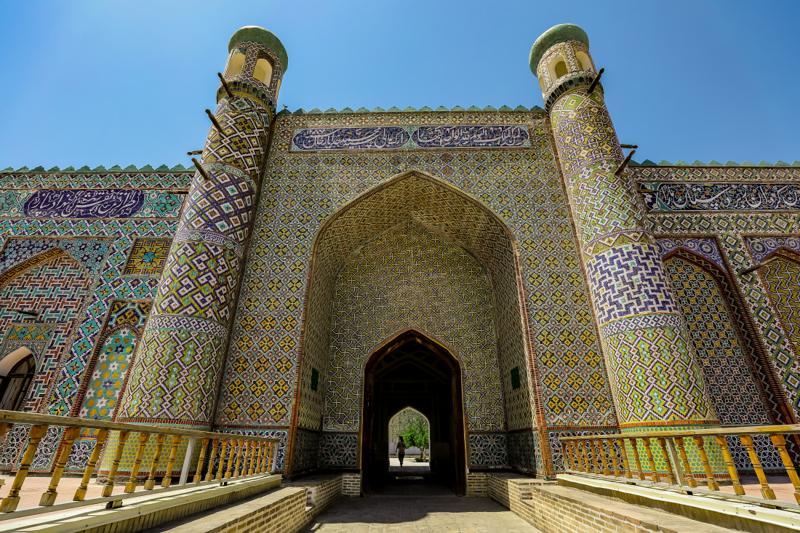
Yes, if you have the time. Kokand, the former capital of the Kokand Khanate, adds palace and mosque architecture to a craft-focused trip, and it lies on the way between Tashkent and Rishtan. Our 2-day Fergana Valley tour includes it.
What should I ask TravelX to arrange?
Request a craft-focused Fergana Valley route with named appointments, an explanation of what each visit includes, and time for questions. Specify whether you want observation, participation or shopping. The clearer that brief is, the more likely you are to return with something better than another attractive object: an understanding of the work inside it.
See our 2-day Fergana Valley tour, with Margilan silk and Rishtan ceramics, or explore all TravelX tours.