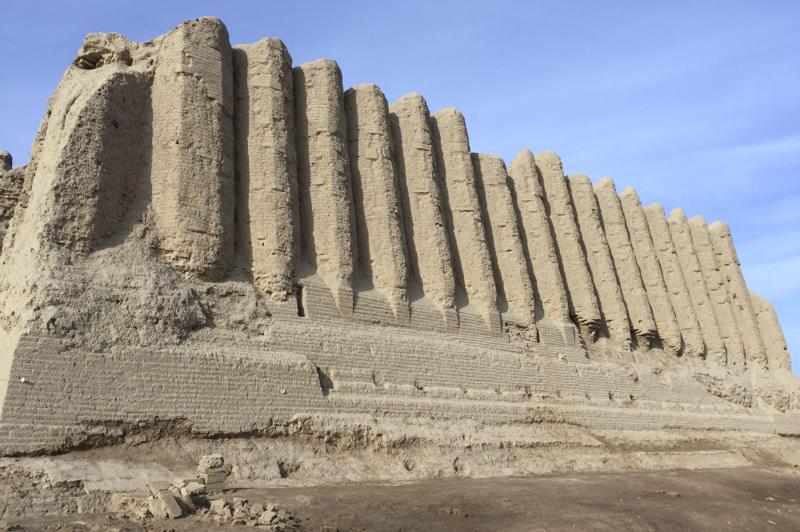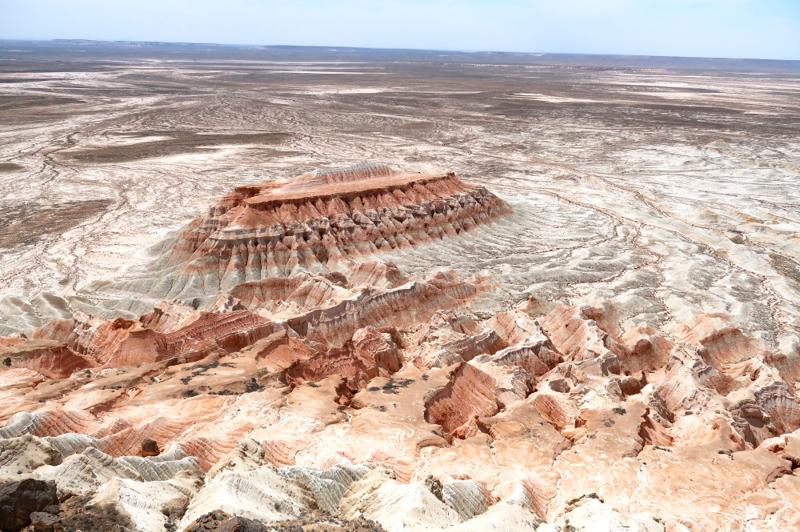
Khiva to Bukhara through Turkmenistan: 4 Days with Darvaza, Ashgabat and Merv
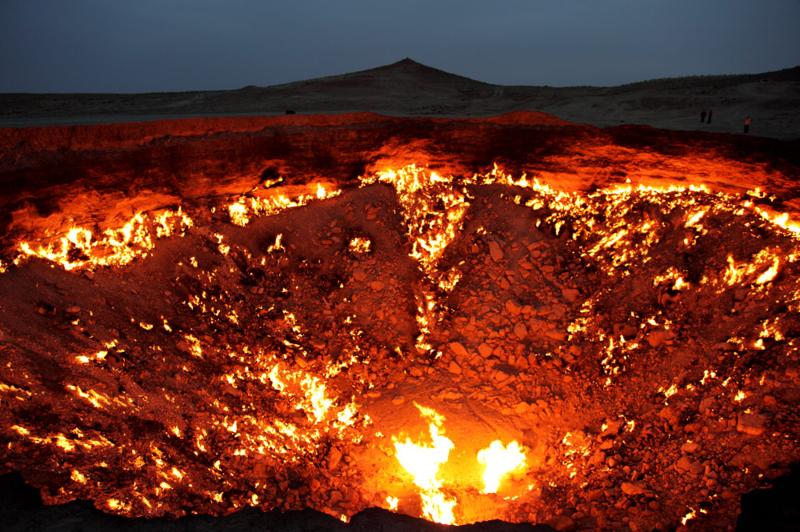
Leave Khiva for Turkmenistan and rejoin the Silk Road at Bukhara: medieval Kunya-Urgench, a night in a yurt by the Darvaza gas crater, a day in…

Destinations · Turkmenistan
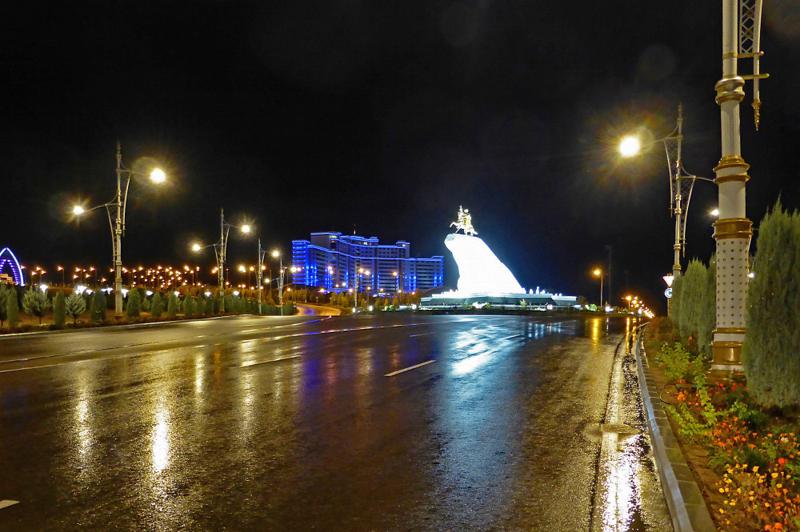
Rebuilt after a catastrophic earthquake and clad in white marble, Ashgabat is one of the strangest and most photogenic capitals in the world: wide empty boulevards, gilded monuments, fountains and a skyline that lights up at night. Ancient Nisa and the Akhal-Teke horses are just outside town.
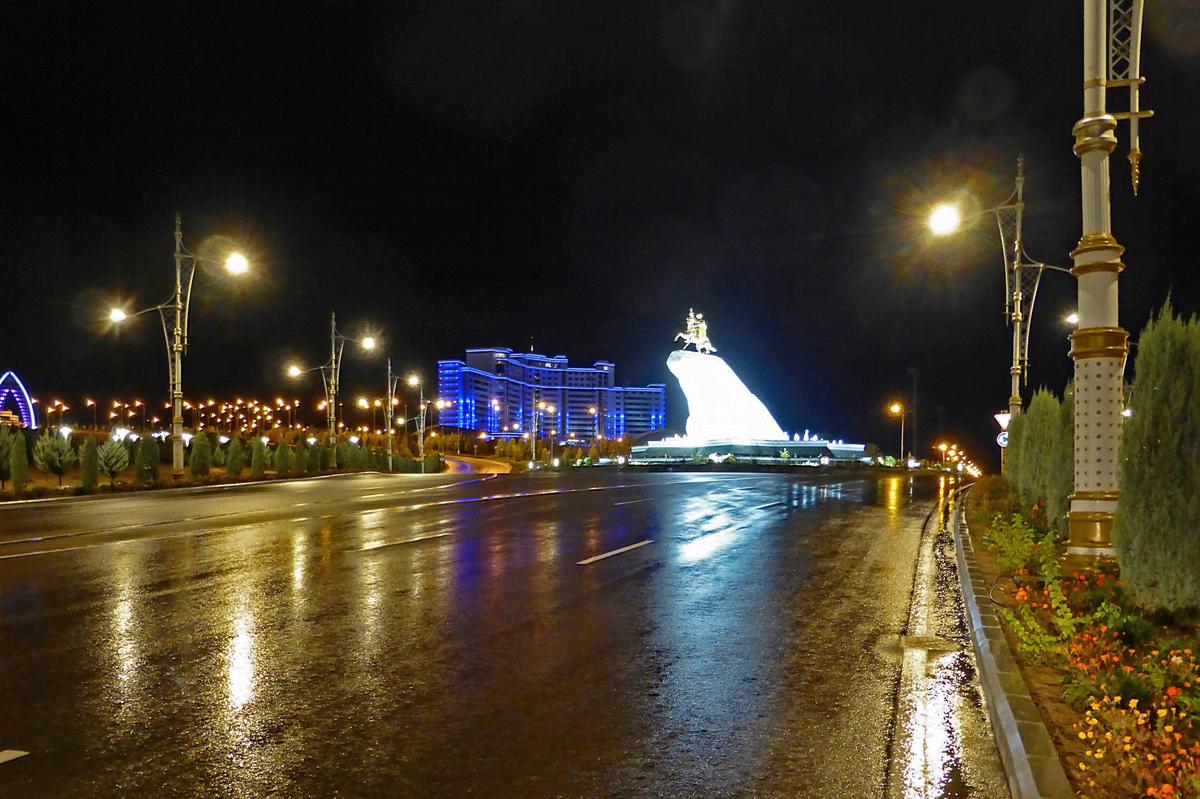
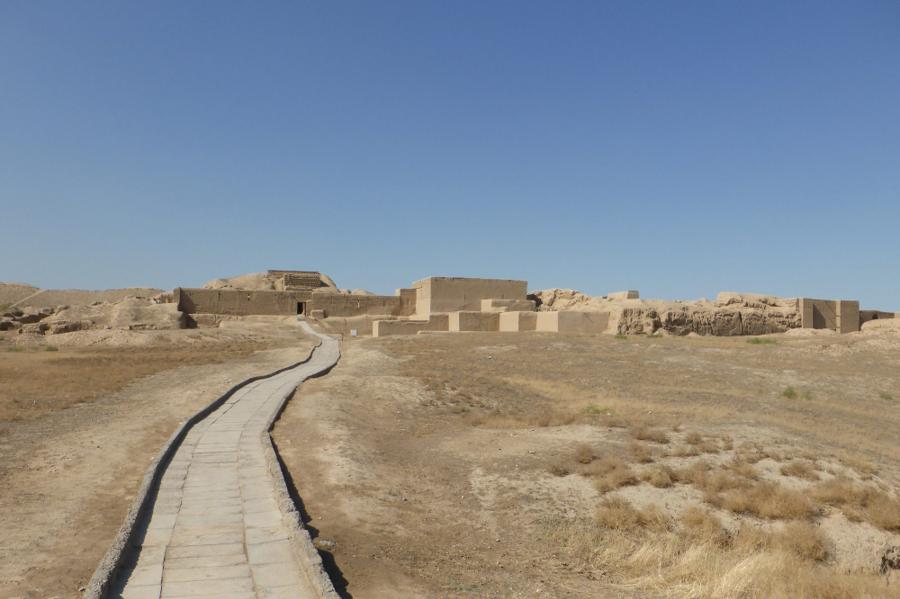
Ashgabat is best seen twice: by day, for the scale of its avenues, parks and monuments, and after dark, when almost every building is lit. In between, visit the National Museum for its Parthian finds and the Carpet Museum for the country's famous red carpets, then head out of town to Ancient Nisa and its earth walls on a hill above the plain.
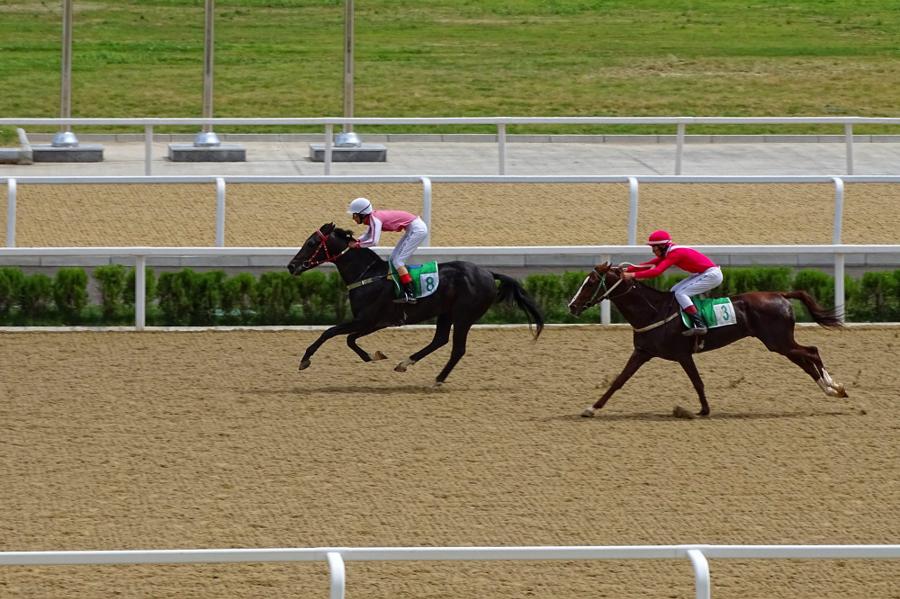
An Akhal-Teke horse farm is a highlight for many: the slim, golden-coated horses are among the oldest breeds in the world. On the edge of the city, Altyn Asyr bazaar, known to everyone as Tolkuchka, has more than 2,000 shops selling carpets, textiles and everyday goods.
Ashgabat is on all our Turkmenistan tours, from the 5-day highlights tour to the 4-day crossing from Khiva to Bukhara.
Photos: Hans Birger Nilsen, CC BY 2.0 · Hans Birger Nilsen, CC BY-SA 2.0 · Bjørn Christian Tørrissen, CC BY-SA 4.0
Leave Khiva for Turkmenistan and rejoin the Silk Road at Bukhara: medieval Kunya-Urgench, a night in a yurt by the Darvaza gas crater, a day in…
Cross from Bukhara into Turkmenistan and out again near Khiva: ancient Merv, white-marble Ashgabat with Nisa and the Akhal-Teke horses, a night in a yurt…
A round trip from Ashgabat airport covering Turkmenistan's essentials: the white-marble capital, Parthian Nisa, a night at the Darvaza gas crater, the…
A grand traverse of Turkmenistan for groups of 15 to 40, from the dinosaur tracks of Koytendag to the Caspian shore at Avaza: ancient Merv and Nisa, the…