Two days are enough for Samarkand's great monuments, a proper market visit and one extra experience that suits your interests. The key is to choose well and leave time to enjoy what you came to see.
On this page
Samarkand is more than one famous square. Its historic areas bring together the earlier city of Afrasiab, the monumental architecture associated with the Timurids and later urban development. The UNESCO-listed heritage is spread across several sites, so a good visit combines walking with a few well-chosen transfers.
This plan assumes two full sightseeing days. Ideally, arrive the evening before day one and leave after the second afternoon. A late arrival followed by an early departure is not the same amount of time.
Our priorities for a first visit are Registan, Shah-i-Zinda and Gur-e-Amir. Add Bibi-Khanym and Siyob Bazaar, then choose a history-and-science extension or a craft excursion. Suggested visit lengths below are planning estimates, not official opening hours.
The Two-Day Route
- Day one: Gur-e-Amir, Registan, lunch, Bibi-Khanym, Siyob Bazaar and an evening view of Registan.
- Day two: Shah-i-Zinda, then either Afrasiab Museum and Ulugh Beg Observatory, or the Meros paper workshop in Konigil. Leave the remaining afternoon flexible.
Day One: The Great Monuments and the Market
First stop: Gur-e-Amir. Allow 45-60 minutes.
Start with the mausoleum associated with Amir Timur and his dynasty. The ribbed blue dome is striking from outside, while the decorated burial chamber gives the monument its intimate character. Look closely at the patterns and memorial stones rather than treating the visit as a quick dome photograph.
This is a useful place to begin with a knowledgeable local guide: understanding the Timurid story adds context to the rest of the day. Keep voices low and follow the rules for entering and photographing the interior.
Late morning: Registan. Allow 90-120 minutes.
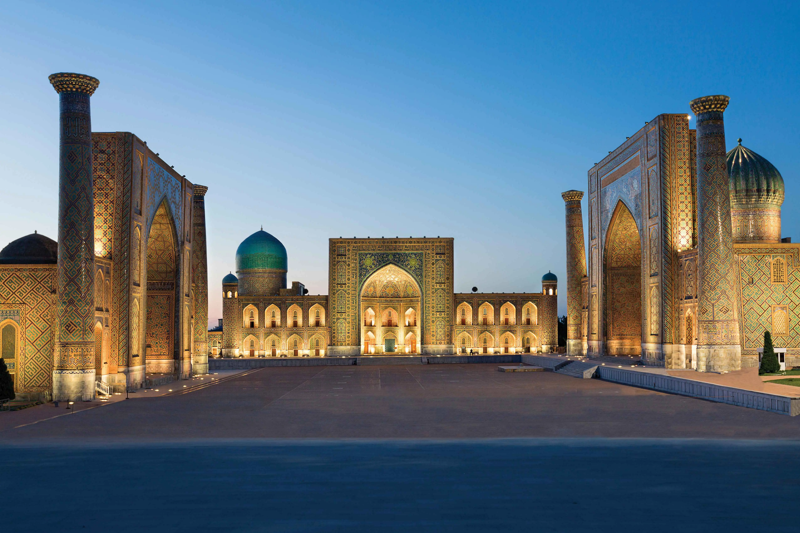
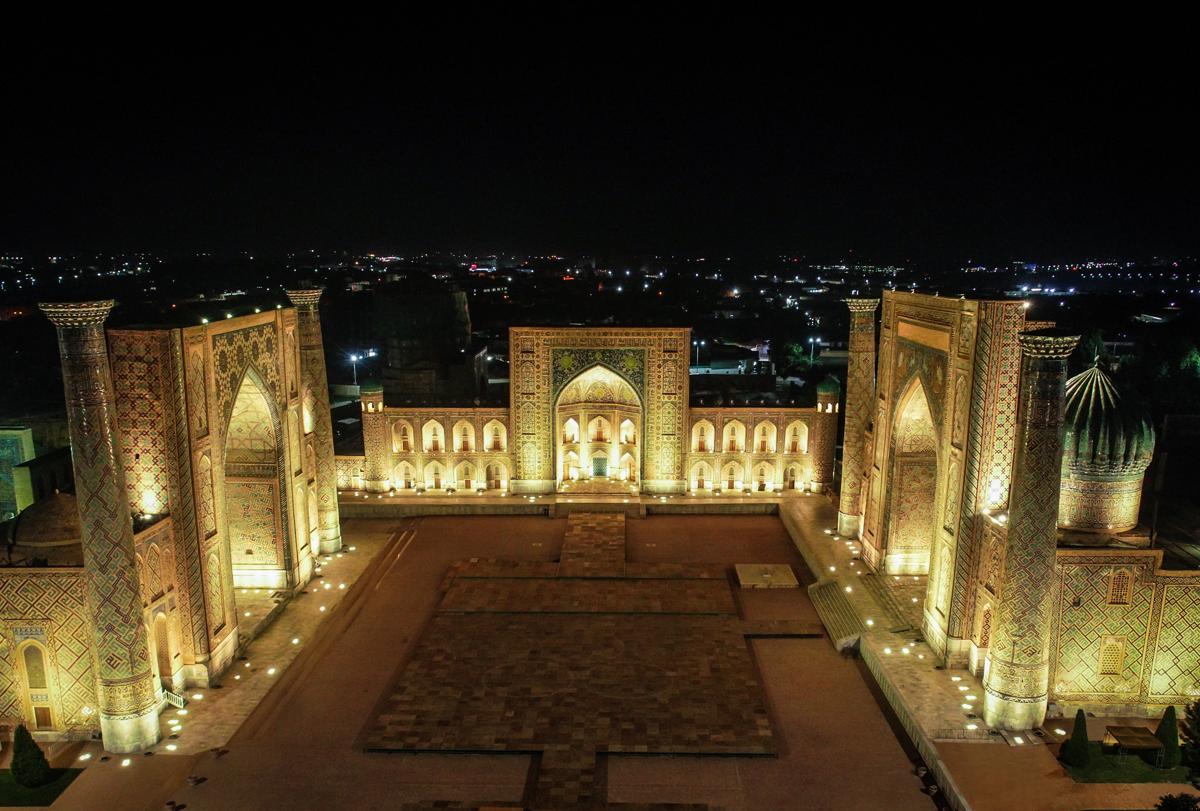
Registan deserves a substantial visit. The ensemble includes the Ulugh Beg, Sher-Dor and Tilya-Kori madrasas. Spend time in the accessible courtyards and interiors, especially Tilya-Kori's gilded decoration. The buildings developed across different periods, with distinct histories and layouts.
Take your wide view of the square, then examine smaller details: inscriptions, geometric tilework, doorways and the proportions of each courtyard. If shopping inside the complex interests you, leave it until after the architecture. Before leaving, ask whether your ticket permits re-entry and whether there are separate charges for any evening event.
Lunch: Make It a Real Break
Allow time to sit down, particularly in hot weather. Samarkand bread, plov and samsa are useful introductions to local food, but choose according to your appetite and dietary needs. Ask about ingredients rather than assuming a vegetable-looking dish is meat-free. Confirm prices before ordering, including any service charge.
Afternoon: Bibi-Khanym. Allow 45-60 minutes.
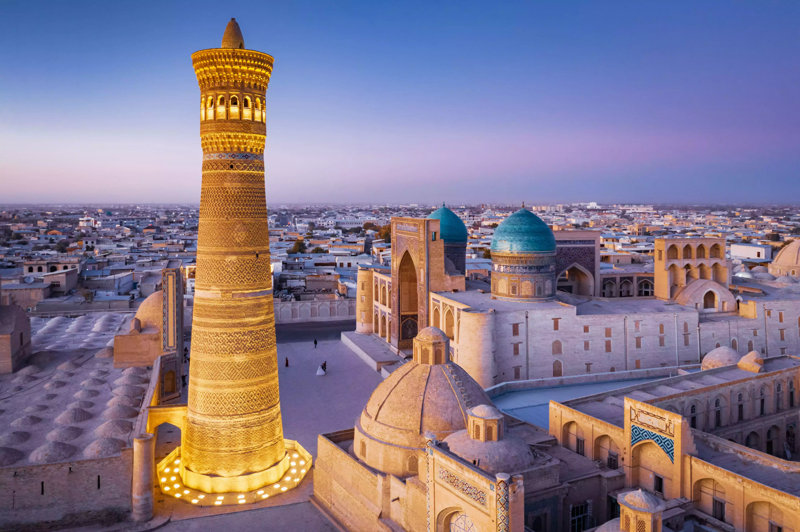
The mosque gives you a different sense of scale from the more enclosed Registan courtyards. Take in the monumental entrance and spacious layout. Its history belongs to Amir Timur's era, but its present appearance also reflects substantial restoration. A good guide can help distinguish historic fabric from later repairs.
If you are tired, shorten this stop before sacrificing Shah-i-Zinda the next day. Bibi-Khanym is impressive, but its place in this itinerary is below our three first-visit priorities.
Next: Siyob Bazaar. Allow 30-45 minutes.
The bazaar is next to Bibi-Khanym, making the two a sensible pairing. Browse bread, dried fruit, nuts and whatever produce is in season. Buy a small snack, ask permission before photographing people and keep the visit focused on the market itself rather than only souvenir stalls.
If food shopping is a major interest, ask locally about the best time for the stalls you want and rearrange this stop accordingly. A bazaar is a working place, and individual sellers do not all follow the same schedule.
Evening: Return to Registan
An evening view gives the square a different mood without requiring another full tour. Check that day's illumination, access and event arrangements. Do not build dinner around an assumed nightly light show or pay for repeat entry before checking what is included. Leave time for an unhurried meal afterwards.
Day Two: Shah-i-Zinda and an Experience You Choose
First stop: Shah-i-Zinda. Allow 60-90 minutes.
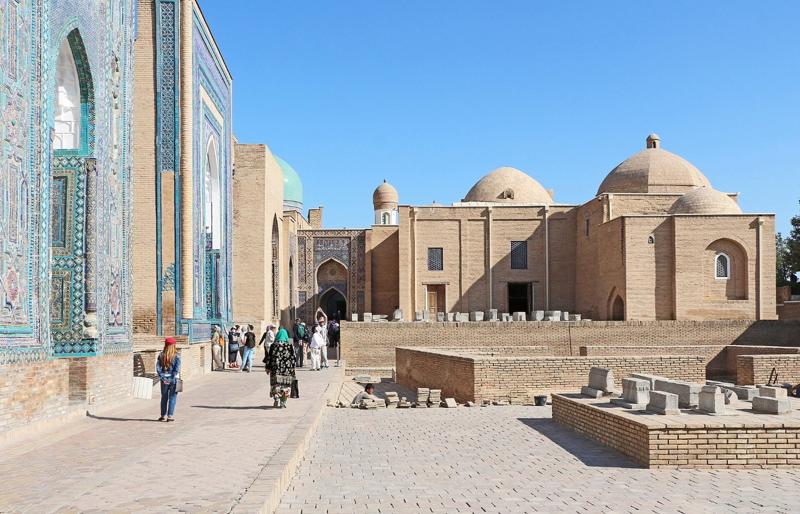
Visit early in the day's opening period if photography and a calmer pace matter to you, but do not expect guaranteed empty lanes. This ensemble of mausoleums is a place of pilgrimage as well as an architectural highlight. Its blue and turquoise tilework rewards close attention to individual portals and decorative patterns.
Walk through the accessible upper sections rather than stopping after the first photograph. Dress modestly, give worshippers space and avoid blocking the narrow passages. There are steps and uneven surfaces; travelers with mobility needs should confirm the current accessible route before visiting.
Then Choose One Extension
Option A: History and science. Allow 60-75 minutes for Afrasiab Museum and 45-60 minutes for Ulugh Beg Observatory, plus transfers.
Afrasiab Museum explains the city before its famous Timurid monuments. Its seventh-century Sogdian wall paintings are a strong reason to visit, especially if you want the Silk Road story to mean more than a row of impressive buildings. Read the interpretation or use a guide; context makes the paintings much more rewarding.
At Ulugh Beg Observatory, the main interest is the surviving part of the enormous astronomical measuring instrument and the museum's account of Samarkand's scientific history. Expect archaeological remains and interpretation, not an intact medieval observatory building. A taxi between these northern sites and the central area is a practical way to preserve time and energy.
Option B: Crafts and a change of pace. Allow 90-120 minutes at Meros in Konigil, plus the return transfer.
The paper workshop demonstrates a revived traditional craft and offers a different experience from another monumental building. Confirm that a demonstration will be running when you visit. This is a good choice for travelers interested in making processes, craft souvenirs and a slower stop outside the central sightseeing area. Do not add it automatically after both museums if that means rushing the entire day.
After lunch, keep room for a favorite site, a relaxed neighborhood walk or your departure transfer. If religious heritage is a priority, the Tomb of Saint Daniel is a possible addition; replace another optional stop rather than turning the afternoon into a race.
What to Skip on a First Two-Day Visit
- Shakhrisabz as a day trip. It deserves its own time, but using one of your two days away from Samarkand leaves little room for the city's essentials. Consider it on a longer itinerary.
- Eternal City as an essential historic stop. The Silk Road Samarkand resort's heritage-themed complex is a contemporary visitor attraction. It can suit dining, crafts or an evening near your hotel, but we would prioritize Samarkand's historic monuments on a short first visit.
- Every museum and shrine. Choose additions that match your interests. Saint Daniel is meaningful for religious heritage; the observatory is especially rewarding for science and history. Neither needs to be compulsory for every traveler.
- A long, unguided walk across the Afrasiab archaeological area in the heat. If archaeology is not a particular interest, the museum usually gives a more focused introduction. Enthusiasts can arrange a guided site visit instead.
- Unofficial access offers. Use authorized entrances and routes, including for any elevated viewpoint. Do not make your visit depend on an informal offer to enter a closed area.
- Rushing for one famous photograph. A short queue may be worthwhile; losing your visit to a single staged image usually is not. Keep time for looking, not just posing.
Practical Details That Make Two Days Easier
- Where to stay: If sightseeing efficiency matters, compare accommodation within walking distance of Registan or Gur-e-Amir. Check the actual map location; a Samarkand address does not automatically mean a central hotel.
- Walking and taxis: Walk the central monument-and-market section when conditions suit you. Use taxis for the northern museums, Konigil and transport terminals. Confirm the fare or booking terms before setting off.
- Train travel: Check current services and book through the official Uzbekistan Railways ticket system. Keep your ticket and the identity document used for booking. Allow time for the station transfer and boarding checks; do not make a final sightseeing stop depend on a tight connection.
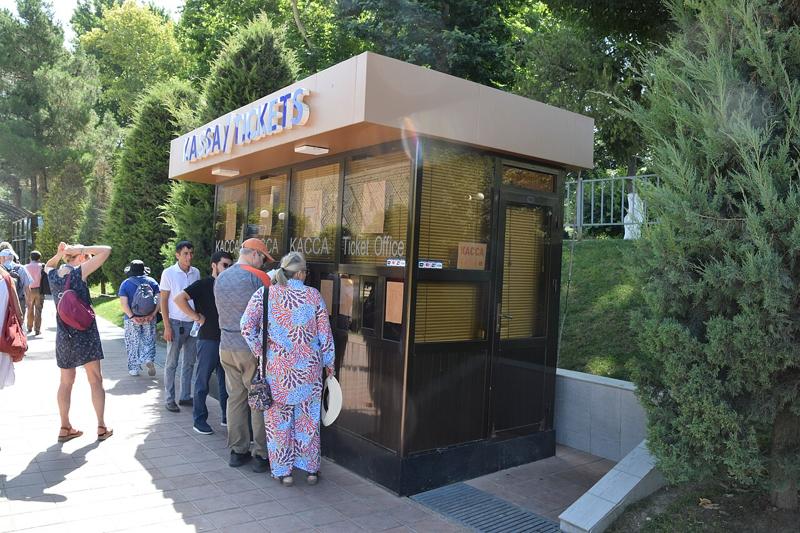
- Tickets and opening hours: Check each site's current hours, last admission, fees and any photography or event charges. This guide deliberately avoids fixed ticket prices and show times that may change. Carry some local cash for smaller purchases.
- Clothing and comfort: Wear comfortable shoes, cover shoulders and knees for religious visits, and follow any site-specific requirements. Carry water and sun protection; in hot weather, move longer walks to earlier or later in the day.
- Guides: A knowledgeable guide for part of the first day can add more value than another hurried stop. Agree on the language, duration, meeting place and price before booking.
If You Have Less Than Two Full Days
Keep Registan, Shah-i-Zinda and Gur-e-Amir. Add Siyob Bazaar if time allows. Drop out-of-center excursions first, then reduce Bibi-Khanym to a shorter visit if necessary. Do not try to reproduce a two-day itinerary in one afternoon.
TravelX Advice
Samarkand is memorable when you have time to notice its differences: Registan's grand courtyards, Shah-i-Zinda's close-up tilework, Gur-e-Amir's quiet interior and the everyday activity of Siyob. Two days can give you all of that without checking off every pin on the map.
Practical information checked on 14 October 2026. Confirm opening hours, tickets, demonstrations and transport arrangements before your visit.