Pamir Highway & Wakhan Valley: Osh to Dushanbe, 7 Days (Group)
Seven days from Osh to Dushanbe over the roof of the world: Karakul crater lake, the 4,655 m Ak-Baital Pass and the Wakhan Valley. Shared 4×4, departures…

Destinations · Tajikistan
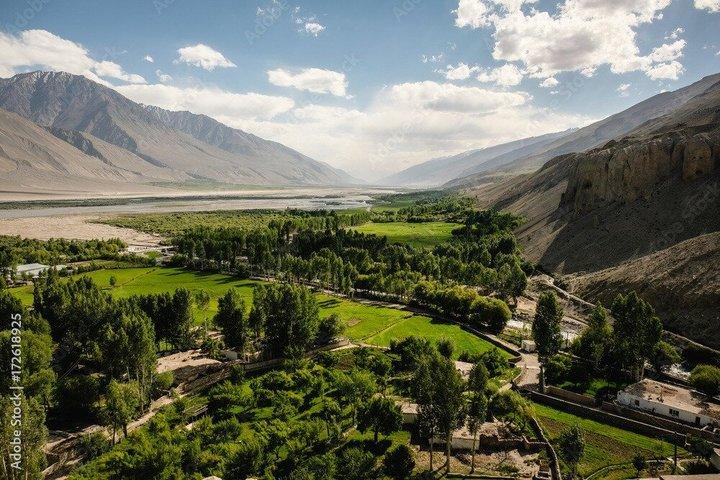
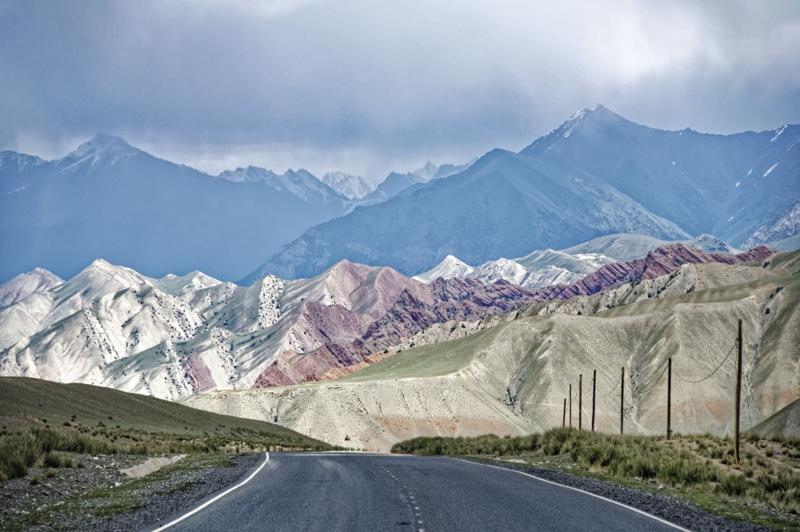
The Pamir Highway is not just a scenic drive to complete as quickly as possible. For travelers, it usually means a journey linking Dushanbe, Khorog, the eastern Pamirs and sometimes Osh in Kyrgyzstan. Deep valleys, high lakes and communities along the road reward time, flexibility and careful preparation.
At a glance
History that explains the route
The road's development is closely associated with Soviet-era transport and administration, but the mountains had older networks of exchange, pilgrimage and local movement. Today's journey crosses living settlements, not an empty frontier waiting to be discovered. The western valleys and the eastern plateau differ sharply in climate, landscape and livelihoods.
Tajik National Park protects a vast area of Pamir landscapes and is UNESCO-listed. That does not mean every highway stop belongs to the protected property or that World Heritage status permits unrestricted access. Historic sites and side valleys need their own geographical and practical context.
People and living culture
Pamiri communities in the western valleys and Kyrgyz communities in parts of the eastern Pamirs contribute different languages, traditions and household cultures. Tajik and Russian may help with communication, but there is no single way of life shared by everyone along the road. Local guides, teachers, traders, farmers and drivers are part of a contemporary region, not a timeless expedition backdrop.
Homestays can introduce food, domestic architecture and daily routines when the host agrees. Follow household customs, ask before taking photographs and pay for services fairly. Handicrafts are worth exploring through their makers, not just through a label suggesting everything is ancient or handmade.
Everyday life
Fuel, food, electricity, communication and road maintenance shape travel and ordinary life. Services become thinner away from larger settlements. A guesthouse may offer simple shared facilities rather than hotel-style comfort, and yurt accommodation is not guaranteed everywhere or in every season. Confirm what is available, carry cash and supplies, and leave neither litter nor demands that hosts cannot reasonably meet.
Places and landscapes along the journey
What to eat
Meals depend on location and the host's supplies. Bread, soups, meat-and-dough dishes, rice dishes, dairy and tea may feature, with regional differences. Explain allergies and dietary restrictions before booking, and confirm drinking water and provisions. Do not expect a uniform restaurant menu in every village.
Permits and responsible travel
Foreign travelers entering GBAO need the relevant permit in addition to whatever entry permission their passport requires. A GBAO permit is not blanket authorization for every border zone, lake or side road. Registration obligations depend on the entry arrangement; check official rules. Carry passport and permit copies, respect checkpoints, and do not photograph military installations or security posts. Borders and regional roads can close at short notice. Near the Afghan frontier there are security and mine risks: follow current official advice and do not leave approved routes.
Planning a worthwhile visit
Summer is generally the most practical period, but snow, storms, road works and security restrictions can disrupt a trip. Use an experienced driver and suitable vehicle; confirm fuel, spare tires, communication and emergency plans. Build gradual increases in sleeping altitude and rest days into the route. Do not ascend to sleep higher with altitude-illness symptoms; worsening symptoms require descent and medical help. Check insurance for the exact route, maximum altitude and evacuation. The Kyrgyz border crossing must be confirmed for your nationality and travel date, not assumed open. A slower, adaptable journey is more rewarding than an inflexible checklist.
Seven days from Osh to Dushanbe over the roof of the world: Karakul crater lake, the 4,655 m Ak-Baital Pass and the Wakhan Valley. Shared 4×4, departures…
The same seven days from Osh to Dushanbe — Karakul, the Ak-Baital Pass and the Wakhan Valley — in a 4×4 with driver for your group only, on the date you…
The whole Pamir Highway one way, in a 4×4 for your group only, on the date you choose: the Afghan border along the Panj, the Wakhan Valley, the high…