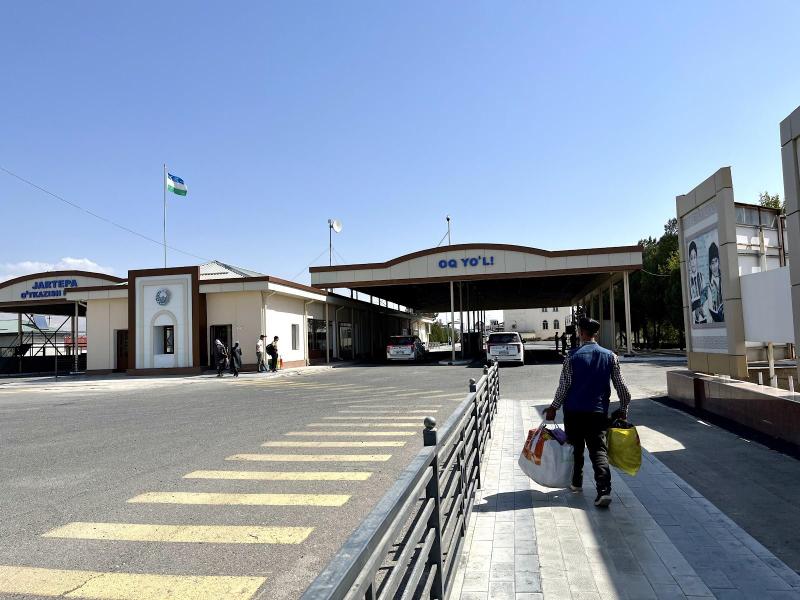
Kyrgyzstan is one of the easiest countries in Central Asia to visit, but its visa rules changed in 2026. What you need to know about entry, money, phones, altitude and getting around.
On this page
Kyrgyzstan is one of the easiest countries in Central Asia to visit: most Western travellers need no visa, distances are manageable, and people are famously hospitable. But some rules changed in 2026, and a few things, from cash to altitude, are worth knowing before you land. We checked everything below on 25 October 2026.
Quick facts
| Topic | What to know (25 October 2026) |
|---|---|
| Visa-free entry | 55 countries, including the EU, the UK, the US, Canada, Australia, Japan and South Korea: up to 30 days in any 60-day period |
| E-visa | evisa.e-gov.kg; usually ready within 5 working days |
| Passport | Valid at least 6 months after arrival, with a blank page |
| Registration | Not needed for a visa-free trip of up to 30 days |
| Currency | Kyrgyz som (KGS); about 87 som to the US dollar in October 2026 |
| Emergency number | 112 |
Visas: the new 30-day rule
Since early January 2026, citizens of 55 countries, among them all the EU states, the UK, the US, Canada, Australia, New Zealand, Japan, South Korea, Switzerland, Norway, Israel and Singapore, can stay up to 30 days in any 60-day period without a visa. Until the end of 2025 the limit was 60 days. The change came with a government resolution of 31 December 2025.
For most holidays nothing changes: a 7- or 10-day trip fits easily. But if you are planning a long journey through Central Asia and want to come back into Kyrgyzstan, count your days carefully.
- Other countries: citizens of Kazakhstan, Russia and some other neighbours can stay longer; citizens of Uzbekistan get 60 days in any 120.
- Visitors who need a visa, including citizens of China and India, apply for an e-visa on the official portal, evisa.e-gov.kg. Since January 2025 the tourist, business and mountaineering categories have been merged into one "Sapar" visa valid for up to 90 days. Standard processing takes up to five working days.
- Registration: new rules from September 2026 mean that visitors from many countries, including the US, the UK, Germany, France, Japan and South Korea, must register if they stay longer than 30 days. A visa-free tourist who leaves within 30 days does not need to register, and hotels register their guests electronically.
- Overstays: they now lead to a fine and to refusal of visa-free entry on your next visit, and the system counts your days automatically.
Money
The Kyrgyz som comes in notes from 20 to 5,000. In October 2026 the National Bank's rate was about 87 som to the US dollar. Cards work in hotels, supermarkets and many restaurants in Bishkek, Karakol and the Issyk-Kul resorts, but bazaars, taxis, guesthouses and yurt camps want cash. ATMs often limit each withdrawal to about 20,000 som, and they are scarce in the mountains, so withdraw or exchange before you leave the city. US dollars and euros are easy to change in Bishkek.
SIM cards and the internet
The three mobile networks are O!, Beeline and MegaCom, which has the best coverage in the countryside. You need your passport to buy a SIM. A tourist package with 20–50 GB costs roughly 200–500 som in town, more at the airport. Under rules introduced in 2024, a phone from abroad used with a Kyrgyz SIM must be registered online within 30 days or it may be blocked, so for a longer stay ask the shop to help you. On a normal holiday, a local SIM or an eSIM is all you need. Remember that there is little or no signal at Song-Kul and in the high valleys.
Altitude and health
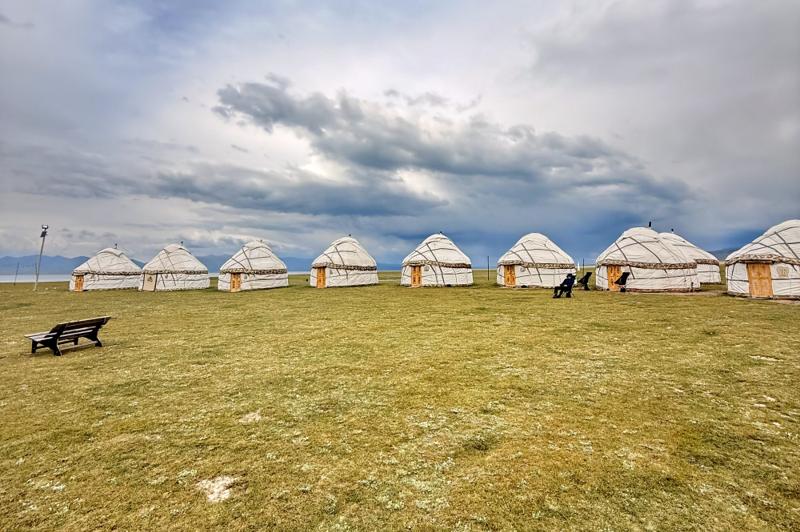
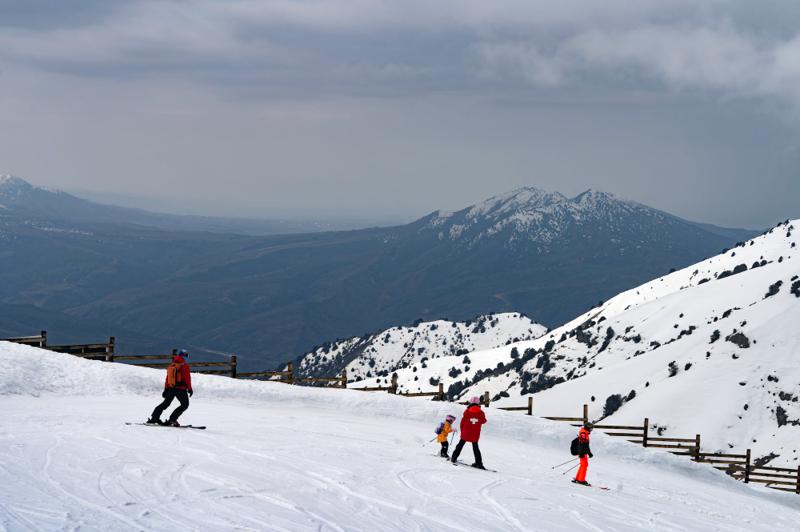
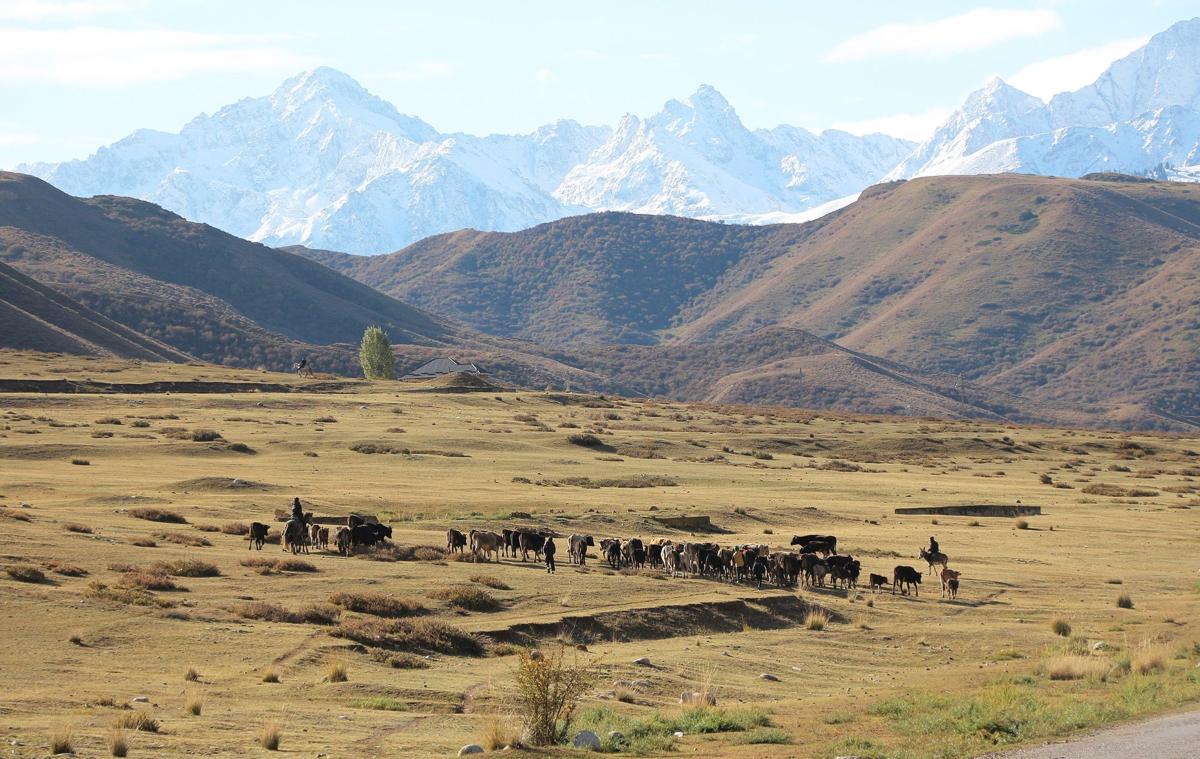
Much of Kyrgyzstan lies high. Issyk-Kul is at 1,607 m, the Karakol ski base at 2,300 m, Song-Kul at 3,016 m and Tash-Rabat at about 3,200 m. Mild headaches on the first high night are common. Spend a night or two lower down before you sleep at 3,000 m, drink plenty of water, go easy on alcohol and walk slowly. In summer, storms often build over the mountains in the afternoon, so start hikes early.
Tap water is generally safe in Bishkek but not always in the countryside; drink bottled or boiled water there.
Getting around
Distances look short on the map, but mountain roads are slow: Bishkek to Karakol is about 400 km, a long day's drive around the lake. Shared taxis and minibuses link the towns cheaply, but they leave when full and rarely reach the places travellers most want to see, such as Song-Kul or Tash-Rabat. Most visitors travel with a private car and driver.
Interesting facts
- More than 90% of Kyrgyzstan is covered by mountains, most of them in the Tian Shan.
- The Kyrgyz epic of Manas is one of the longest poems in the world; some recorded versions run to about half a million lines. UNESCO added the Kyrgyz epic trilogy to its list of intangible heritage in 2013.
- The felt kalpak hat is so much a national symbol that Kyrgyzstan celebrates a Kalpak Day every March.
- Kyrgyzstan created the World Nomad Games, and in 2026 Bishkek opened a new yurt-shaped stadium to host them.
What to bring
- Your passport, valid for six months after the trip.
- Cash in som for the countryside, plus some US dollars or euros to exchange.
- Layers: a warm jacket, hat and gloves for the mountains, even in July.
- Sunscreen, sunglasses and lip balm for the strong sun at altitude.
- Good walking shoes and a rain jacket.
- A power bank and a headlamp for yurt camps.
Plan it with TravelX
Our Kyrgyzstan tours start in Bishkek and include a private car, a driver and all the arrangements in the mountains:
- 3-day Issyk-Kul express
- 6-day tour with Issyk-Kul and Song-Kul
- 7-day Kyrgyzstan classic
- 10-day full Kyrgyzstan tour
Not sure which lake to choose? Read Issyk-Kul and Song-Kul: two lakes, two very different trips.