Aral Sea Day Trip from Nukus: Moynaq Ship Cemetery and the Savitsky Museum
The story of the Aral Sea in one day from Nukus: the Savitsky Museum's famous collection of Russian avant-garde art, the ancient necropolis of Mizdakhan,…

Destinations · Uzbekistan
Nukus draws many visitors for the Savitsky Museum, but its value extends beyond one collection. The capital of Karakalpakstan introduces a distinct living culture, the archaeology of ancient Khorezm and the realities of a region shaped by the Aral Sea crisis. Give it time before continuing into the desert.
At a glance
History that explains the city
Although the wider region has an ancient history, Nukus's present urban form developed mainly in the twentieth century. It is a modern administrative and cultural center rather than another walled Silk Road town. The surrounding landscape belongs to the historical world of the lower Amu Darya and Khorezm, with settlements, fortresses and changing religious traditions preserved in archaeological sites.
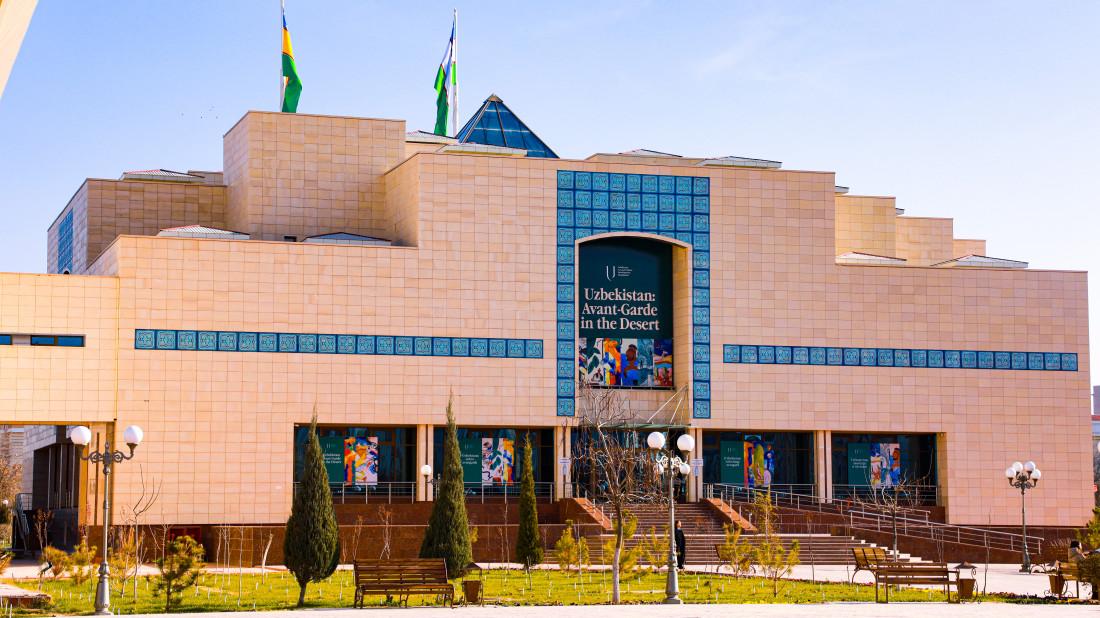
Igor Savitsky founded the city's art museum in 1966. His collecting brought together Karakalpak decorative arts, ancient Khorezm archaeology and twentieth-century painting and graphic art from Uzbekistan and Russia. The story should not be reduced to a foreign collector finding an empty cultural landscape: local knowledge, artists and institutional supporters were essential too.
People and living culture
Karakalpakstan has its own language, literature and cultural traditions. Karakalpak, Uzbek and Russian may be heard in the region, with use varying by community. Embroidery, jewelry, textile work and traditions associated with yurt furnishings reveal histories of both mobile and settled life. They are not a uniform description of how every resident lives today.
Berdakh, an important Karakalpak poet, offers another way into regional identity and literature. Ask a guide or museum educator about contemporary Karakalpak artists and writers as well as historical collections. Present-day culture deserves attention alongside the famous avant-garde paintings.
Everyday life
Markets, cafes, university life and neighborhood businesses show Nukus as a lived-in city, not merely an expedition departure point. Ask before photographing traders or families, and seek locally made craftwork where its maker and origin can be explained. Do not define people only by environmental hardship: the region also has creativity, ordinary work and ambitions for the future.
Places to visit
What to eat
Explore Karakalpak dishes rather than assuming the regional menu is identical to that of every Uzbek city. Gurtik-style meat-and-dough dishes, beshbarmak, flatbreads and mayek borek, dumplings with an egg filling, are useful foods to ask about. Availability and recipes vary. Explain dietary restrictions clearly and ask about meat broth, dairy and allergens.
Beyond the famous sights
Combine an art visit with a discussion of local craft, literature or archaeology. A regional guide can connect museum objects to the places where they were made or found. Muynak and the remaining Aral shoreline tell different parts of the environmental story; seeing one does not mean you have seen the other.
Planning a worthwhile visit
Reserve a museum day independently of long road excursions and check current opening days, gallery access, guides and photography rules directly. Summers can be very hot; winters are cold, with wind and dust possible in other seasons too. Ancient sites often have little shade, uneven ground and limited facilities. Carry drinking water and suitable clothing. Check flight or train schedules and organize regional transport in advance. For desert journeys, confirm route conditions, communication and emergency arrangements rather than relying on the city visit's level of convenience.
The story of the Aral Sea in one day from Nukus: the Savitsky Museum's famous collection of Russian avant-garde art, the ancient necropolis of Mizdakhan,…
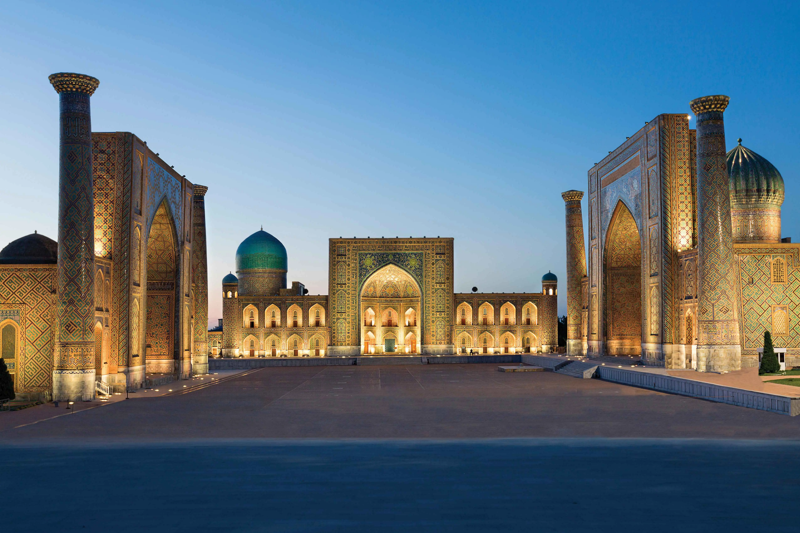
Five monuments in a day with a licensed guide: the Registan, Gur-e-Amir, Bibi-Khanym, Shah-i-Zinda and Ulugh Beg's observatory. Transport included. From $20.
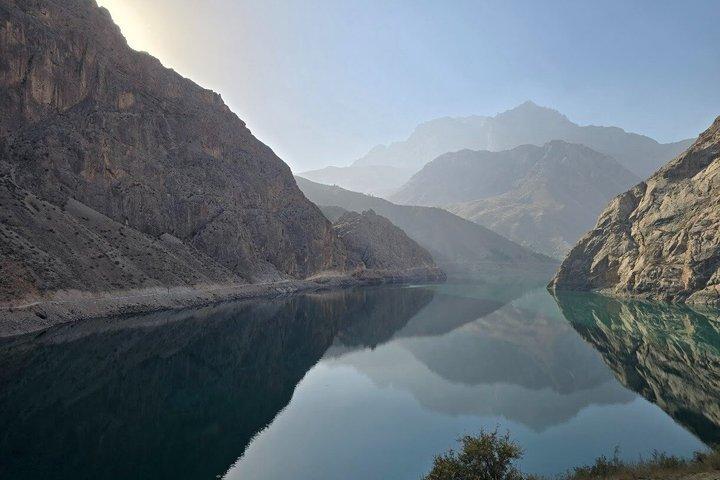
Cross into Tajikistan for a day at the Seven Lakes: Panjakent bazaar, the lakes of the Fann Mountains by 4×4 and the UNESCO site of Sarazm on the way…
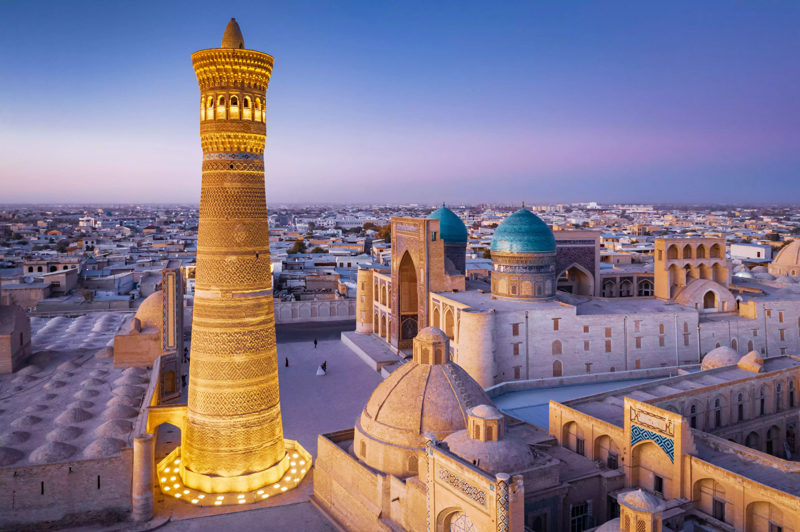
The old city on foot with a licensed guide: Lyab-i Hauz, the trading domes, the Kalyan minaret, the Ark and the Samanid mausoleum. 4–6 hours, from $20.
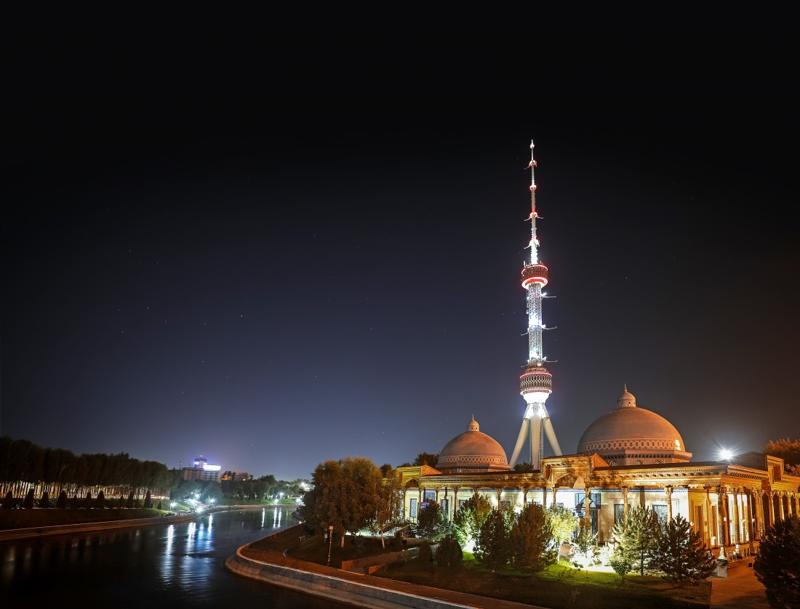
Explore old and new Tashkent in one day with a professional guide: the bustling Chorsu Bazaar, the sacred Hazrati Imam Complex, the palace-like metro…
The four great Silk Road cities in one week, in the order the road runs: licensed guides, 3–4★ hotels with breakfast, every transfer and the monument…