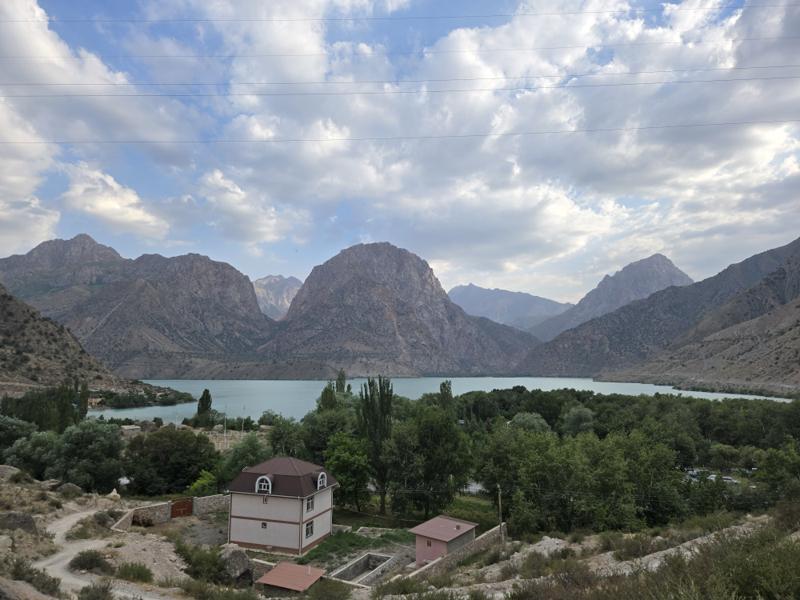
Khujand Day Trip from Tashkent: Tajikistan's Oldest City Across the Border
Cross into Tajikistan for a day: Khujand fortress and its museum, the Panjshanbe bazaar in its grand 1960s hall, and the Sheikh Muslihiddin complex.…

Destinations · Tajikistan
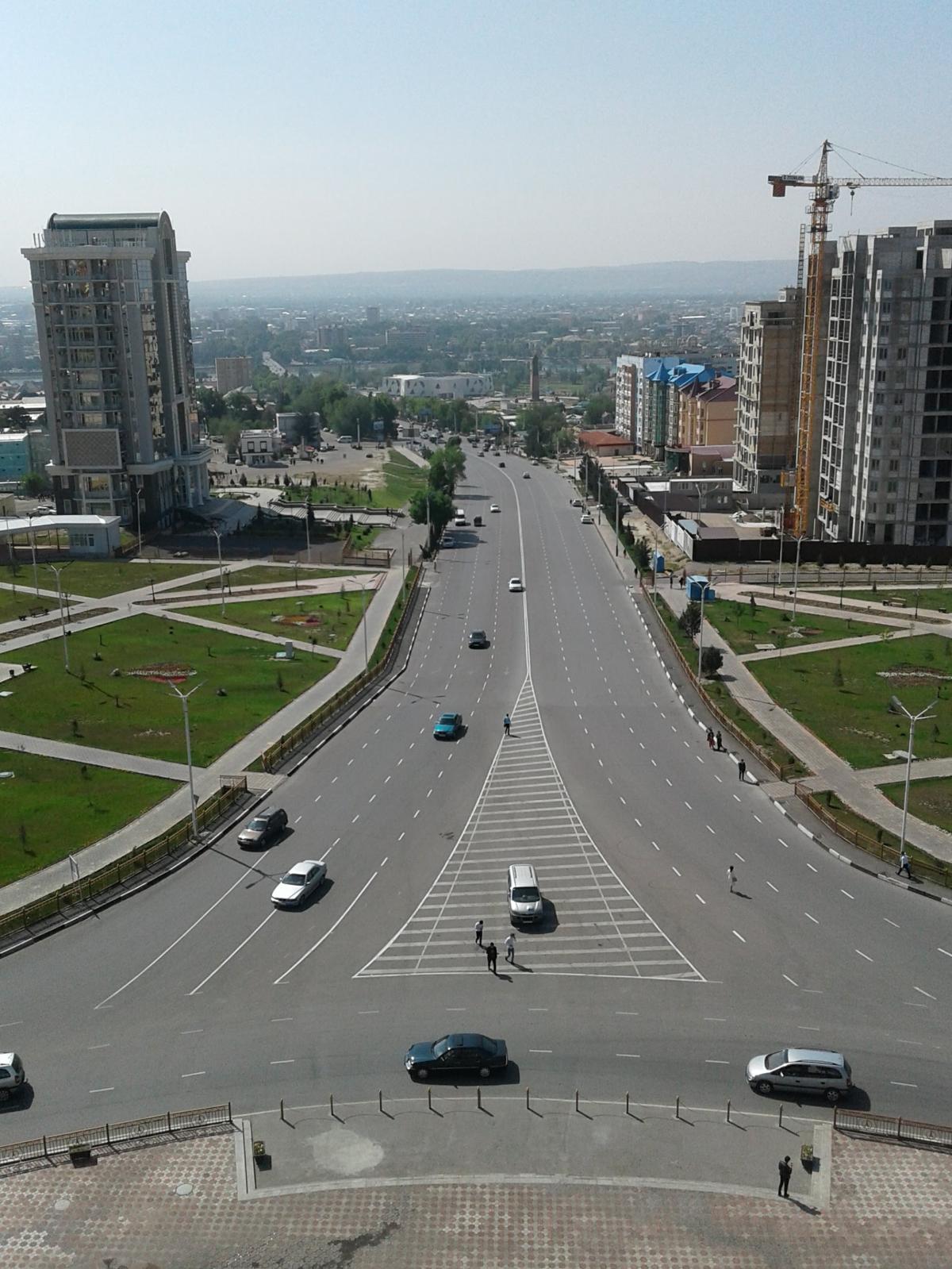
Khujand offers a relaxed introduction to northern Tajikistan: a working market, the Syr Darya riverfront, religious architecture and museums that connect the city with a much wider past. Its strongest experience is the combination of history and daily life, not a race through isolated monuments.
At a glance
History that explains the city
Khujand is an old urban center shaped by its river crossing, surrounding agricultural lands and connections across Central Asia. Trade routes brought goods and ideas, while successive rulers, fortifications and rebuilding changed the city. Its history reaches well before the modern capital of Dushanbe, but today's monuments are not all untouched survivors of that distant past.
During the Soviet period the city was known as Leninabad. Its historical name was restored in 1991, before Tajikistan declared independence. Streets, public buildings and newer heritage projects added further layers. The fortress area is especially useful for understanding this relationship: an ancient site now includes restored and newly developed cultural spaces, rather than entirely original ancient masonry.
People and living culture
Khujand's culture is connected with Tajik language and Persian literary traditions, as well as the wider multilingual life of the northern region. Tajik, Uzbek and Russian may be heard in different settings. The poet Kamoli Khujandi is an important figure in the city's cultural memory, and memorial spaces can introduce that literary connection.
Markets, workshops, schools and family businesses reveal a contemporary city. A guide who explains the difference between historical evidence, civic commemoration and local legend can make the visit much richer. Seek permission for portraits and do not assume that hospitality makes private homes open to visitors.
Everyday life
Panjshanbe Bazaar is where residents buy bread, fruit, vegetables, spices and household goods. Its name means Thursday, but that should not be interpreted as a guarantee of particular stalls or as proof that the market operates only on that day. The covered market architecture belongs to the modern city's story as well as its older trading traditions. Ask prices before buying and allow space for ordinary shoppers.
Places to visit
What to eat
Try osh or plov, sambusa, soups and freshly baked non. Fruit, dried apricots and nuts are good ways into the regional market scene. A tea break can be as memorable as a monument stop. Recipes differ; ask about meat stock, animal fat, dairy and allergens rather than assuming that a vegetable-looking dish is vegetarian.
Beyond the main sights
Choose a regional excursion that matches your interests. Arbob adds twentieth-century history, while Istaravshan focuses on older urban heritage and working crafts. A knowledgeable guide can connect food, architecture and literature without treating every reconstruction as an unchanged relic.
Planning a worthwhile visit
Spring and autumn are often pleasant for walking; summer can be hot and winter cold. Group the bazaar and nearby religious sites, then allow a separate block for the fortress and riverfront. Check museum access, religious requirements and actual transport arrangements. Air, road and international border services need current confirmation; a border on a map is not a promise of entry for every passport. Roads toward Dushanbe and the mountains can involve changing conditions. Carry some cash, respect photography restrictions and give the city at least one unrushed day rather than treating it only as a transit stop.
Cross into Tajikistan for a day: Khujand fortress and its museum, the Panjshanbe bazaar in its grand 1960s hall, and the Sheikh Muslihiddin complex.…
Instead of the train, go the long way: across the border to Khujand, over the mountains to Iskanderkul Lake for the night, then down the Zarafshan Valley…
Travel between Samarkand and Tashkent the long way, through Tajikistan: Sarazm, Panjakent, the Seven Lakes up to the seventh by 4×4, a night by Lake 6,…
Go overland between Dushanbe and Tashkent through the mountains of northern Tajikistan: Iskanderkul with Snake Lake and the waterfall, the Shahristan…
A full loop from Tashkent: the Silk Road cities by high-speed train, the Seven Lakes of Tajikistan, Istaravshan and Khujand, then back into Uzbekistan…