Fergana Valley 2-Day Tour from Tashkent: Kokand, Rishtan Ceramics and Margilan Silk
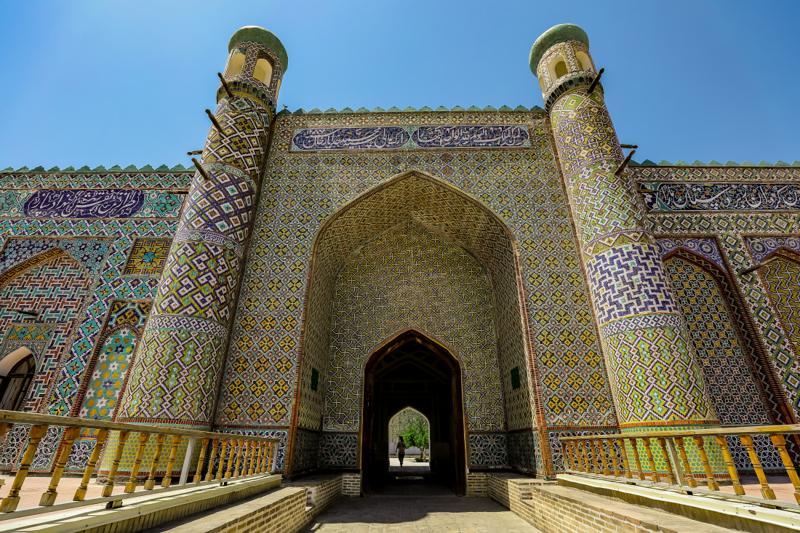
Two days over the Kamchik Pass into the Fergana Valley, by private car with an English-speaking guide: the Khudoyar Khan palace in Kokand, the potters of…

Destinations · Uzbekistan
The Fergana Valley offers a different Uzbekistan from the monumental squares of Samarkand and Bukhara. Workshops, bazaars, cultivated landscapes and busy towns are the main experience. Come to understand how things are made, how regional traditions survive and how a densely settled valley lives today.
At a glance
History that explains the valley
The valley has long linked fertile agricultural land with trade routes and urban settlements. Kokand became the center of a khanate that exerted influence well beyond the valley before Russian imperial annexation in the nineteenth century. Its surviving palace, mosques and madrasas introduce that political and cultural chapter.
Fergana city is much younger than several neighboring towns: it was founded in 1876 as New Margilan. Margilan's textile traditions, Rishtan's ceramics and Andijan's association with Babur each tell a different story. The Uzbek part of the valley spans Fergana, Andijan and Namangan regions; it is not synonymous with Fergana city or Fergana Region alone.
People and living culture
Artisans, farmers, traders and students all shape the valley. Family workshops and the master-apprentice relationship are especially revealing, but modern industry and contemporary lifestyles belong to the picture too. This is a modern, working region, not an open-air museum.
Margilan is associated with atlas and adras textiles and the resist-dyeing techniques known as ikat. UNESCO recognized the local Crafts Development Centre's safeguarding work in 2017. The skill lies not only in the finished pattern, but in preparation, dyeing and weaving. Rishtan potters are known for richly ornamented ceramics, often in blue and turquoise tones. Ask which stages a workshop actually performs on site.
Everyday life
Bazaars bring together household shopping, food and conversation. Gardens, farms and village businesses help explain the valley's close relationship with cultivated land. Observe from public spaces and seek permission for visits to homes, fields or workshops. A modest, respectful approach is more useful than assuming that hospitality makes every private space accessible.
Places to visit
What to eat
Try a valley-style plov, samsa, freshly baked bread and fruit in season. Markets are useful places to ask about local varieties and farming. No single dish represents every town or household. Ask about ingredients, animal fat, dairy and allergies, and choose a meal for its kitchen rather than for a claim to be the only authentic recipe.
Beyond the famous sights
A paid workshop session can be more meaningful than a succession of shop visits, especially if the maker has time to explain the process. Seasonal gardens and local museums add variety. Festival dates, market days and production demonstrations change, so check what is on before you travel; your guide confirms what is running on the day.
Planning a worthwhile visit
Choose two or three main interests before arranging a route. Kokand, Margilan, Rishtan, Andijan and Namangan are separate destinations with real transfer time. Train services and road travel can connect them, but station locations and schedules need checking. Spring and autumn often suit touring; summer can be very hot and winter cold. Mountains on the approach may affect travel conditions. Border crossings into neighboring countries require their own current checks and are not automatic parts of an Uzbek valley itinerary. Agree workshop fees, photography permission and purchase terms in advance.
Two days over the Kamchik Pass into the Fergana Valley, by private car with an English-speaking guide: the Khudoyar Khan palace in Kokand, the potters of…
A full loop from Tashkent: the Silk Road cities by high-speed train, the Seven Lakes of Tajikistan, Istaravshan and Khujand, then back into Uzbekistan…
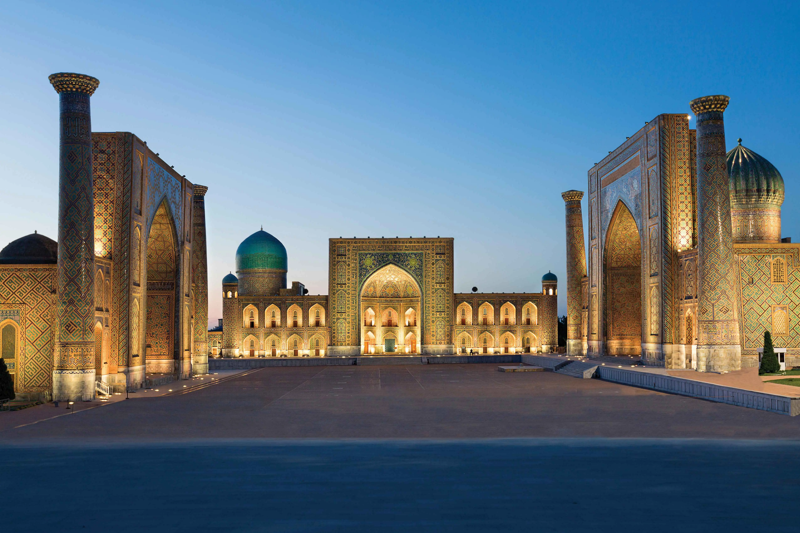
Five monuments in a day with a licensed guide: the Registan, Gur-e-Amir, Bibi-Khanym, Shah-i-Zinda and Ulugh Beg's observatory. Transport included. From $20.
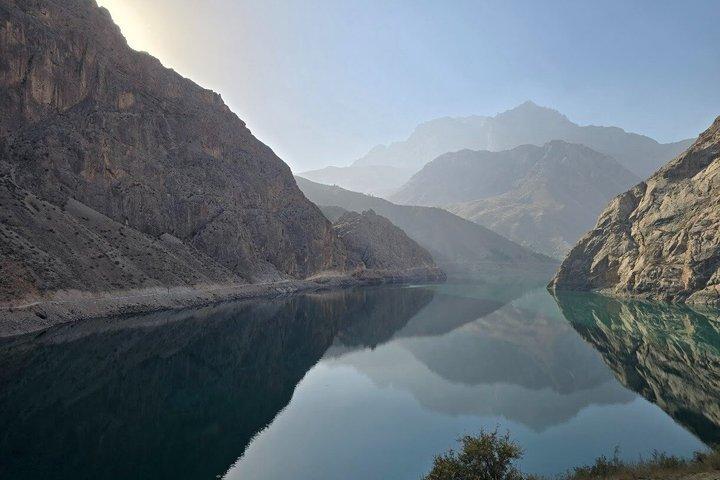
Cross into Tajikistan for a day at the Seven Lakes: Panjakent bazaar, the lakes of the Fann Mountains by 4×4 and the UNESCO site of Sarazm on the way…
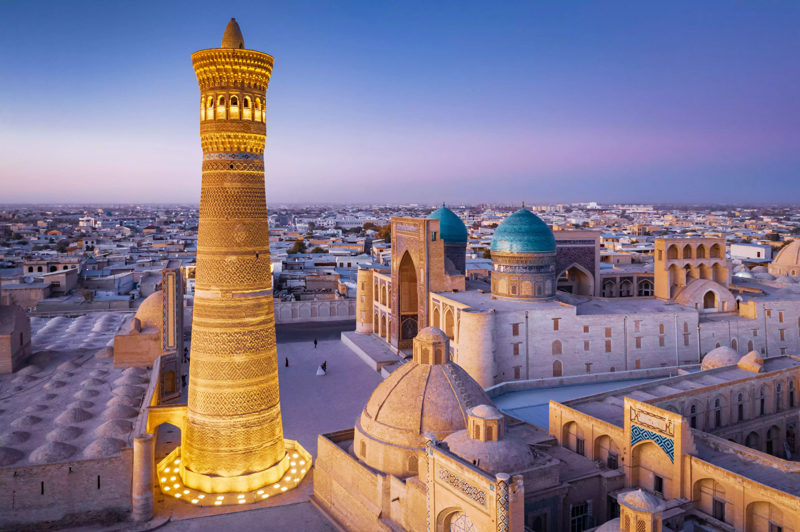
The old city on foot with a licensed guide: Lyab-i Hauz, the trading domes, the Kalyan minaret, the Ark and the Samanid mausoleum. 4–6 hours, from $20.
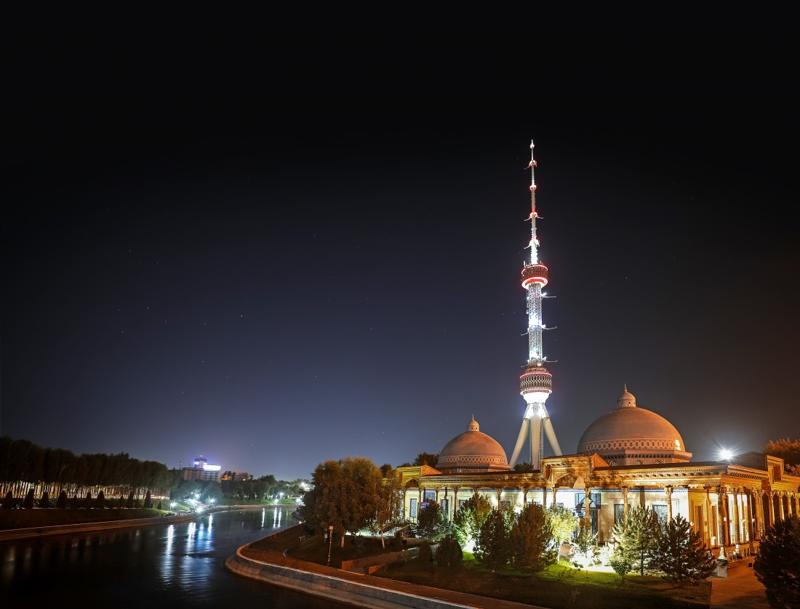
Explore old and new Tashkent in one day with a professional guide: the bustling Chorsu Bazaar, the sacred Hazrati Imam Complex, the palace-like metro…