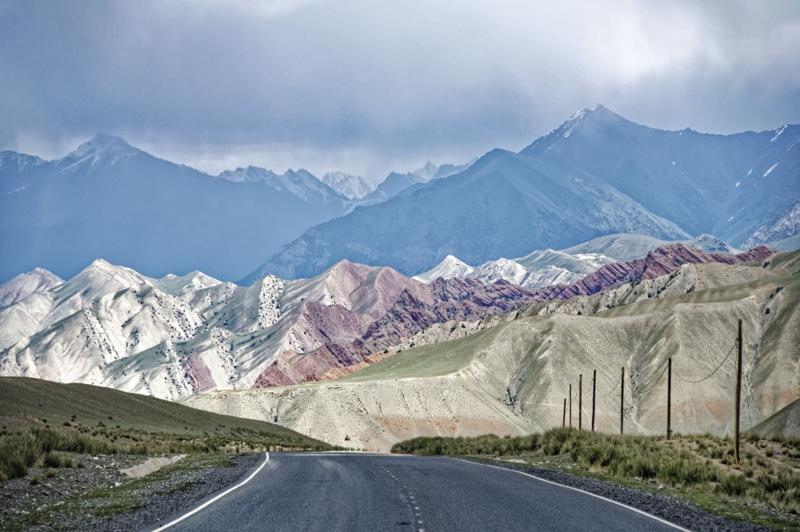
Dushanbe to Tashkent in 3 Days: Iskanderkul, Istaravshan and Khujand
Go overland between Dushanbe and Tashkent through the mountains of northern Tajikistan: Iskanderkul with Snake Lake and the waterfall, the Shahristan…

Destinations · Tajikistan
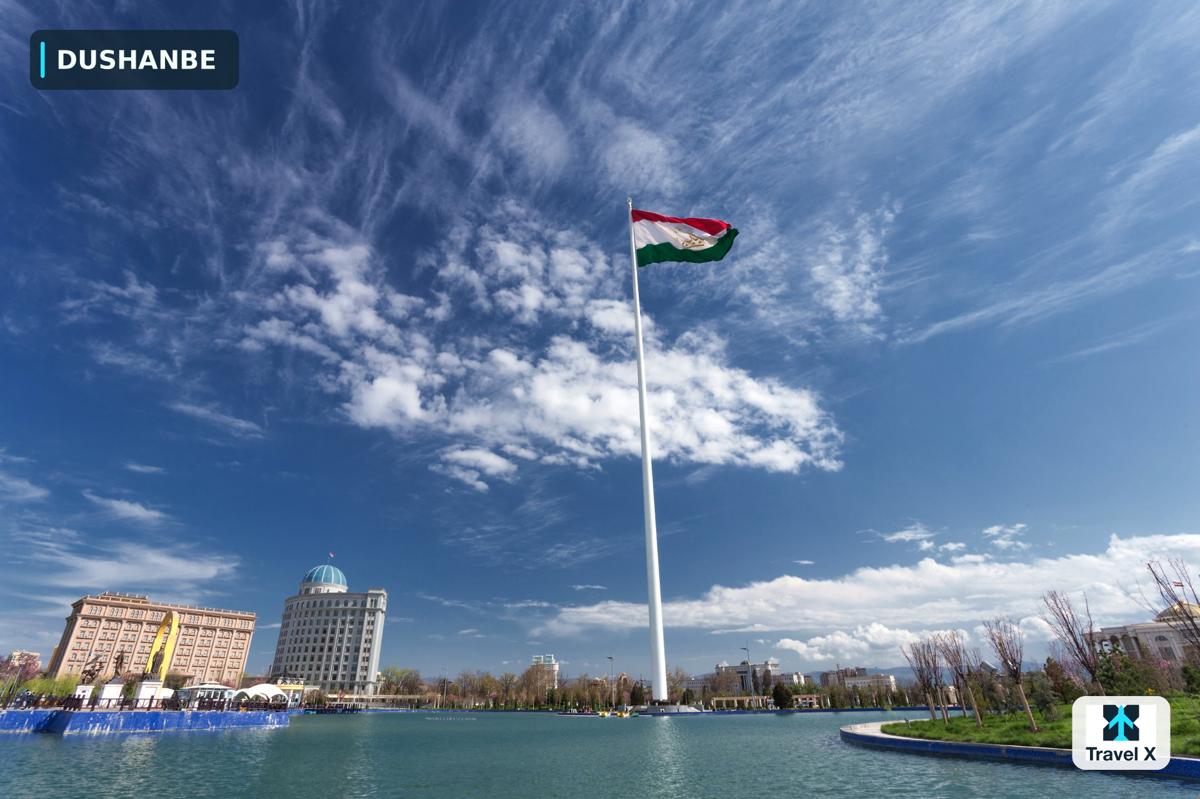
Dushanbe is more than a starting point for the mountains. Its museums, leafy avenues, public gardens and contemporary craft-filled interiors offer a useful introduction to Tajikistan. Stay long enough to connect the country's older cultures with the capital's modern history, and leave room for a relaxed meal and an ordinary city walk.
At a glance
History that explains the city
Dushanbe's name means Monday and recalls the market associated with that day. The modern capital grew substantially in the twentieth century under Soviet administration, when it was also known as Stalinabad. Earlier settlement and regional history existed before that urban expansion; the city is not simply a collection of newly built monuments.
Independence-era memorials, large public buildings and redevelopment have added further layers to the streetscape. Some older landmarks have been rebuilt or removed, so outdated guidebooks can be misleading. The museums are particularly useful for connecting the modern city with archaeological evidence from across Tajikistan rather than assuming that every ancient object originated in Dushanbe itself.
People and living culture
Tajik, a Persian language, is central to the capital's cultural life; Russian is also commonly useful, while English varies between settings. Students, artists, office workers, traders and families make a city broader than its ceremonial spaces. Poetry and literary memory, including the legacy of Rudaki, are visible in monuments and public naming.
Contemporary craftsmanship can be as interesting as older museum pieces. Carved wood, decorative plaster, stonework and painted interiors show skills being used today. Theater, music and exhibitions offer other perspectives; choose from current programs instead of relying on an old performance schedule.
Everyday life
Parks, cafes, markets and neighborhood streets show the capital at a more ordinary scale. A market visit can begin with bread, herbs and seasonal produce rather than souvenir hunting. Ask before taking portraits, agree prices and keep private homes and workplaces outside your sightseeing route unless invited. Public monuments also have security rules; follow local instructions and avoid photographing restricted installations.
Places to visit
What to eat
Try qurutob, made with bread and a sauce based on qurut, a dried dairy product, commonly accompanied by onions, herbs or vegetables. Osh or plov, sambusa, soups and non bread provide other starting points. Recipes and toppings vary; qurutob is not dairy-free, and vegetarian suitability should be checked with the kitchen. Explain allergies and other restrictions clearly.
Beyond the main sights
Hisor and the Varzob Valley offer different out-of-town experiences, one historical and one focused on foothill recreation. The Fann Mountains and the Pamir Highway require their own planning and are not interchangeable short city excursions. Leave time in Dushanbe for a museum, a meal and a park rather than using the capital only as a transfer point.
Planning a worthwhile visit
Spring and autumn are often comfortable for walking, while summer afternoons can be hot and winter cold. Group central sights and use transport for longer distances. Confirm museum names, opening arrangements, Kokhi Navruz access and any religious or security requirements. Roads outside the capital can be affected by mountain weather and repairs, so avoid rigid journey-time promises. Check visas and registration for the traveler's passport and entry method, and arrange insurance appropriate to onward activities. Dushanbe is a useful place to prepare for a larger journey, but also a worthwhile destination in its own right.
Go overland between Dushanbe and Tashkent through the mountains of northern Tajikistan: Iskanderkul with Snake Lake and the waterfall, the Shahristan…
Four days by private 4×4 through the Fann Mountains: Iskanderkul with Snake Lake and the waterfall, the hike to the Kulikalon lakes from Artuch, and the…
Five days by private 4×4 through the Fann Mountains: Iskanderkul and its waterfall, a night camping by the Alauddin lakes, the hike to Kulikalon from…
The great Silk Road cities of Uzbekistan by high-speed train, then across the border into Tajikistan: Sarazm and ancient Panjakent, a night by the Seven…
Seven days from Osh to Dushanbe over the roof of the world: Karakul crater lake, the 4,655 m Ak-Baital Pass and the Wakhan Valley. Shared 4×4, departures…
The same seven days from Osh to Dushanbe — Karakul, the Ak-Baital Pass and the Wakhan Valley — in a 4×4 with driver for your group only, on the date you…