Bukhara Walking Tour: Ark and Kalyan Minaret
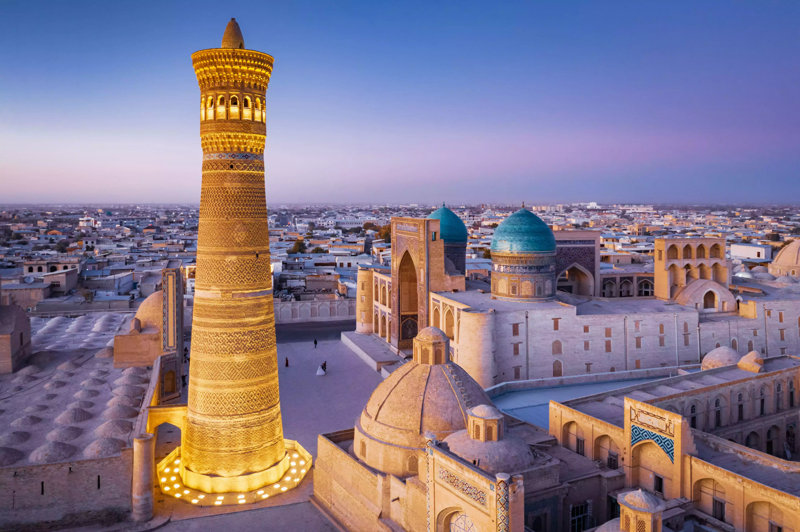
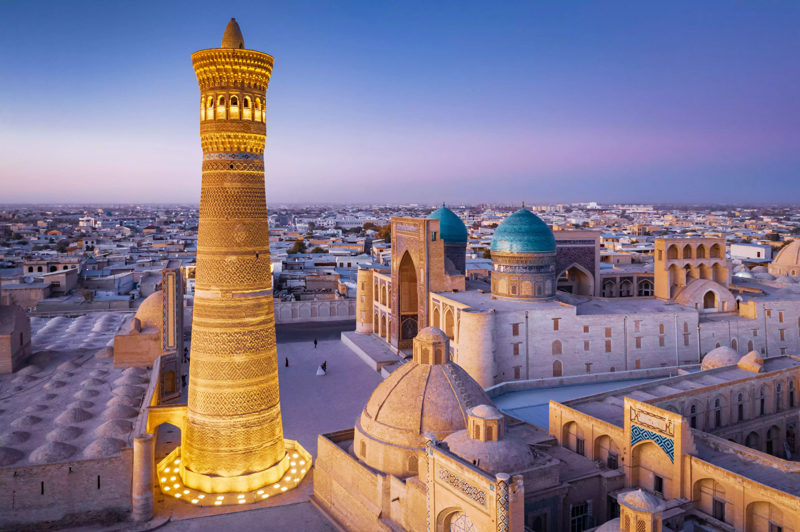
The old city on foot with a licensed guide: Lyab-i Hauz, the trading domes, the Kalyan minaret, the Ark and the Samanid mausoleum. 4–6 hours, from $20.

Destinations · Uzbekistan
Bukhara is best experienced at walking pace. Its appeal lies in the relationship between mosques, madrasas, trading domes and residential lanes, not only in individual landmarks. Stay long enough to return to a favorite square, hear a craftsperson's story and see the old town after the busiest hours.
At a glance
History that explains the city
More than two thousand years of urban history connect Bukhara to regional trade, scholarship and religion. It flourished under the Samanids and later became an important center of Islamic learning. The city experienced conquest, rebuilding and changing dynasties; much of its surviving monumental townscape took shape under the Shaybanids from the sixteenth century onward. The emirate's history continued into the twentieth century, when Soviet rule brought another profound transformation.
UNESCO recognition concerns the historic center as an urban whole. Bukhara's value is not that everything is untouched, but that streets and buildings still communicate the structure of a Central Asian city. Restoration and tourism-related development are part of its present-day story too.
People and living culture
Uzbek and Tajik cultural strands are important here, and Bukharan Jewish heritage is another essential part of the city's past and present. The synagogue and historic Jewish neighborhood are places of community and memory, not curiosities; arrange visits respectfully and never assume unrestricted access.
Bukhara is associated with Shashmaqom, a classical tradition joining instrumental music, singing and poetry, shared with other urban centers in Uzbekistan and Tajikistan. Gold embroidery, suzani needlework, metalwork and textile trading remain visible ways to explore local creativity. Ask whether a performance is a tourist program or a specialist musical event; both can be worthwhile, but they are different experiences.
Everyday life
Around Lyabi-Hauz, conversation, tea and pedestrian traffic share space with restaurants and tour groups. Step into quieter public lanes to see the scale of courtyard houses, carved doors and neighborhood life. A beautiful doorway is still someone's entrance. Seek permission before photographing residents, and do not enter homes simply because a gate is open.
Places to visit
What to eat
Look for Bukhara-style plov, sometimes called oshi sofi, alongside samsa, fresh bread and seasonal produce. Preparation differs between kitchens, so ask what distinguishes the local version. Tea is a natural reason to pause. Explain dietary restrictions clearly: meat stock, animal fat and dairy can appear in dishes whose main ingredient looks plant-based.
Beyond the famous sights
The Bahauddin Naqshband complex outside the city is an important pilgrimage destination connected with the Naqshbandi Sufi tradition. Visit with attention to worshippers and local guidance. A trip toward Gijduvan can focus on ceramics, but a workshop visit should be confirmed rather than treated as guaranteed daily entertainment.
Planning a worthwhile visit
Give the compact historic center at least two unrushed days. Spring and autumn are often comfortable for walking; summer requires early starts and midday breaks, while winter can be cold. Check whether your train uses Bukhara's station in Kogon and allow a transfer to the old town. Confirm current museum access, tickets and religious-site rules. Uneven paving, steps and historic thresholds mean accessibility should be checked individually. Buying directly from a maker, with a fair agreed price, can make your visit more valuable to the city.
The old city on foot with a licensed guide: Lyab-i Hauz, the trading domes, the Kalyan minaret, the Ark and the Samanid mausoleum. 4–6 hours, from $20.
The four great Silk Road cities in one week, in the order the road runs: licensed guides, 3–4★ hotels with breakfast, every transfer and the monument…
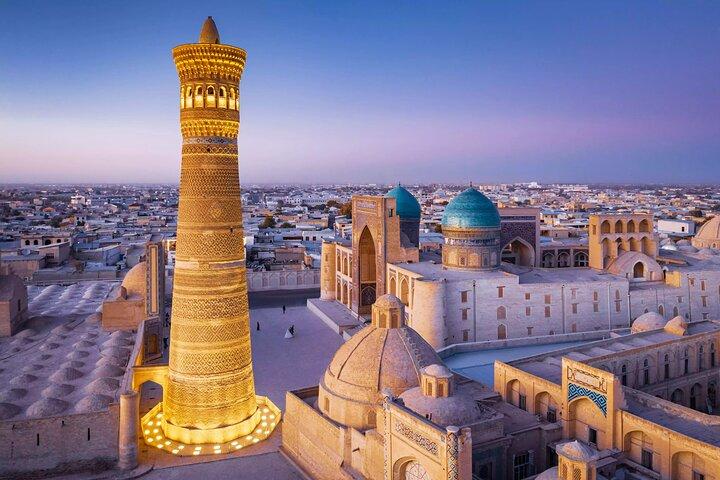
Discover Bukhara’s UNESCO-listed old town, Silk Road heritage and architectural beauty on a private one-day tour.
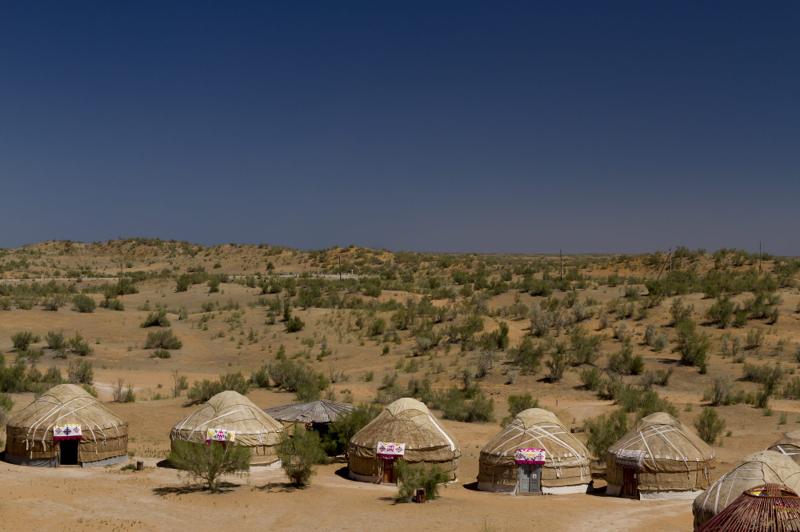
A night in a yurt camp in the Kyzylkum desert on the way between Samarkand and Bukhara: a swim in Aydarkul Lake, dinner and a traditional music and dance…
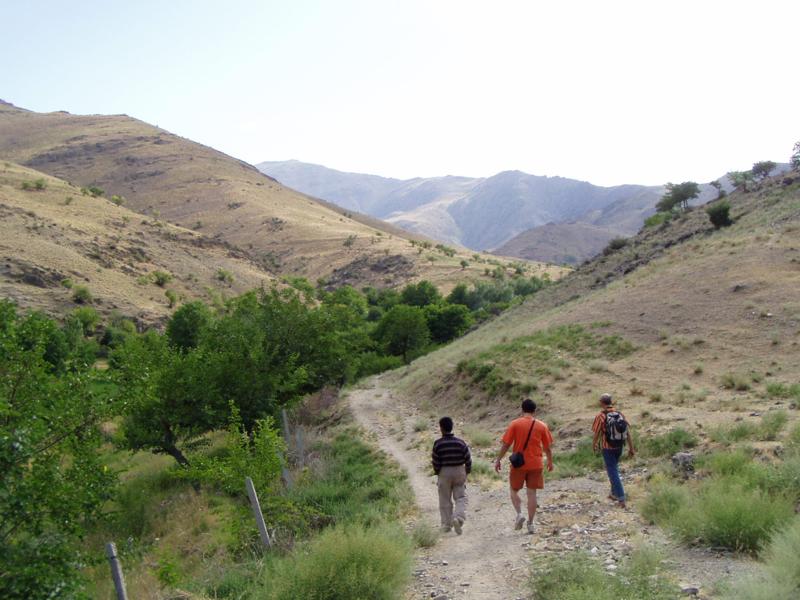
Three days between Samarkand and Bukhara: a night in Hayat, a village in the Nuratau mountains, with a hike and a plov cooking class, and a night in a…
Four days between Samarkand and Bukhara for walkers: a 10–12 km trek to the rock carvings above Ukhum, a 7–8 km hike from Hayat with a plov cooking…