Aral Sea Day Trip from Nukus: Moynaq Ship Cemetery and the Savitsky Museum
The story of the Aral Sea in one day from Nukus: the Savitsky Museum's famous collection of Russian avant-garde art, the ancient necropolis of Mizdakhan,…

Destinations · Uzbekistan
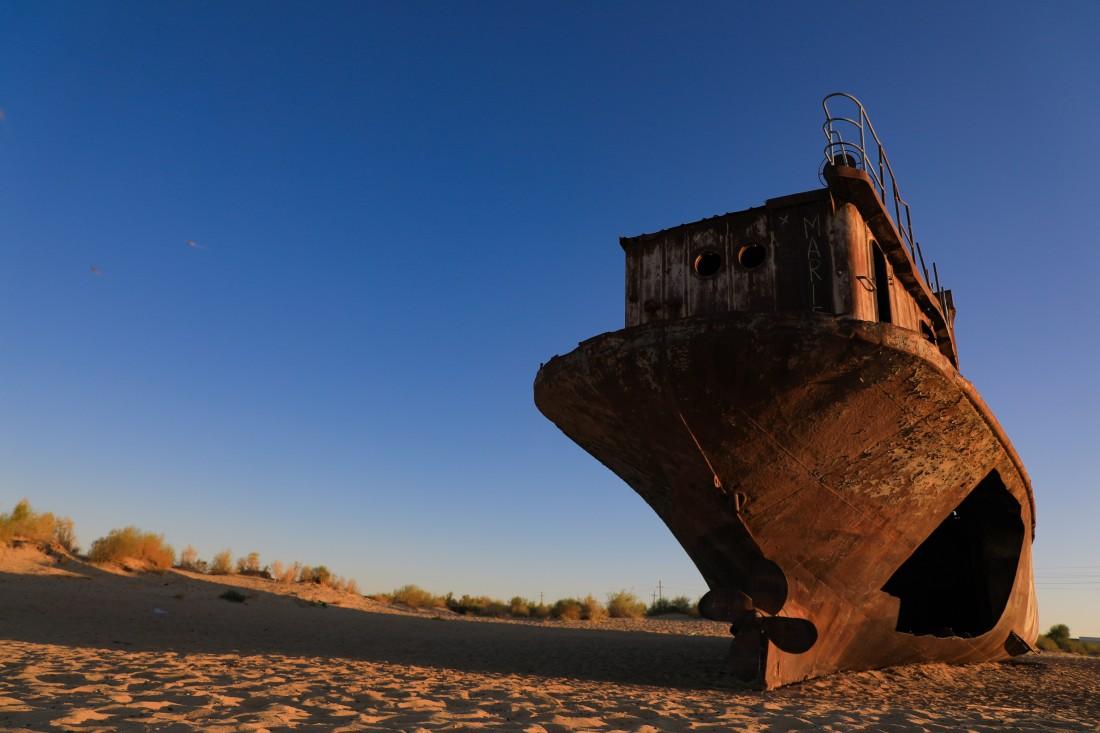
The Aral Sea region is not a conventional seaside destination. In Uzbekistan, a visit can connect Muynak's former fishing harbor, the new Aralkum desert, the Ustyurt Plateau and, on a properly planned expedition, remaining water. The strongest journeys make room for people and context, not only photographs of abandoned ships.
At a glance
History that explains the landscape
The Aral was once one of the world's largest inland lakes, fed by the Amu Darya and Syr Darya. Large-scale river diversion for irrigation, especially expanded during the Soviet period from the 1960s, dramatically reduced the inflow. Falling water levels, rising salinity and the collapse of much of the fishing economy changed the region profoundly. The exposed seabed became the Aralkum, a new desert where wind can carry salt and dust.
The whole sea has not disappeared in one uniform way. Kazakhstan's North Aral and the southern basins have different histories and conditions; recovery in the north must not be presented as the recovery of Uzbekistan's former coast. Shorelines and accessible routes change, so old maps and fixed-distance claims can be misleading.
People and living culture
Karakalpak communities and other residents continue to work, study, raise families and create culture here. Fishing memories sit alongside new livelihoods and contemporary aspirations. A visit should neither romanticize hardship nor treat residents as background for a disaster story. Listen when people choose to share their experiences, ask before recording and pay fairly for guiding, meals and accommodation.
Work to reduce environmental harm includes planting saxaul and other salt-tolerant vegetation on parts of the exposed seabed, as well as projects focused on water, services and livelihoods. These efforts do not amount to a simple promise that the sea will return to its old extent. Support reputable local initiatives without making claims that one tourist visit can solve the crisis.
Everyday life
Muynak is a living town, not just a ship cemetery. Shops, schools, homes and local businesses continue beyond the famous viewpoint. Arrange community encounters through willing hosts, and never expect personal stories to be provided for free. Freshwater, shade and waste disposal matter particularly in this environment; travel habits should reflect that.
Places to visit
Meals and overnight stays
Food on remote journeys usually depends on what the operator or host can arrange. Explain dietary needs before departure and confirm safe drinking water, meals, bedding, toilets, heating or ventilation and charging facilities. A yurt camp can be memorable, but its comfort and operation should never be assumed from promotional photographs.
Travel responsibly
Do not collect archaeological objects, fossils or material from protected sites. Avoid disturbing wildlife and take all waste back to an appropriate disposal point. Photography should explain a place, not expose people in distress without consent. Drone use requires separate current checks on Uzbekistan's rules and any permissions; do not assume it is allowed because the landscape is remote.
Planning a worthwhile visit
Spring and autumn often offer more manageable conditions than extreme summer heat or winter cold, but wind, dust, rain and road conditions can affect any trip. Remote routes usually need an experienced local operator and a suitably equipped vehicle. Confirm fuel, spare tires, communication, emergency plans, water reserves and any route-specific permissions. Carry sun protection, layers and closed footwear. Muynak, the plateau and the remaining shoreline are not interchangeable stops, and they cannot all be promised on a short city excursion. Build flexibility into the route and verify conditions just before travel.
The story of the Aral Sea in one day from Nukus: the Savitsky Museum's famous collection of Russian avant-garde art, the ancient necropolis of Mizdakhan,…
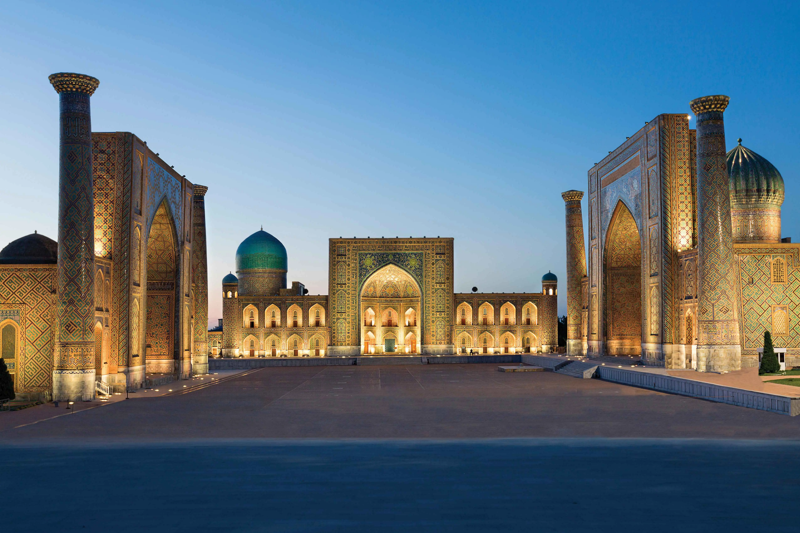
Five monuments in a day with a licensed guide: the Registan, Gur-e-Amir, Bibi-Khanym, Shah-i-Zinda and Ulugh Beg's observatory. Transport included. From $20.
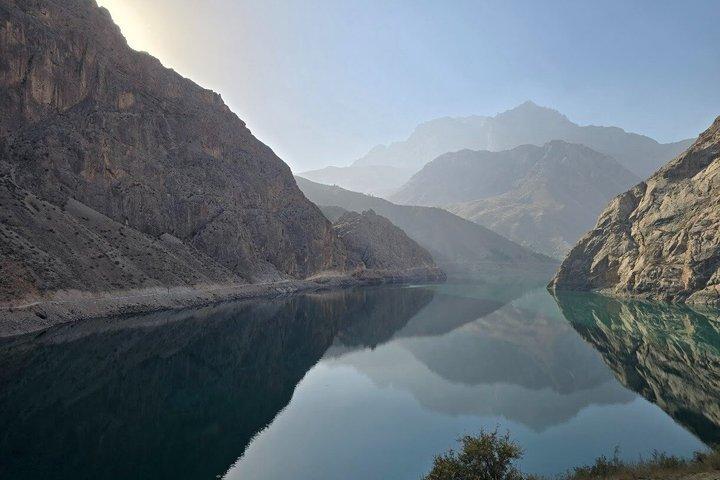
Cross into Tajikistan for a day at the Seven Lakes: Panjakent bazaar, the lakes of the Fann Mountains by 4×4 and the UNESCO site of Sarazm on the way…
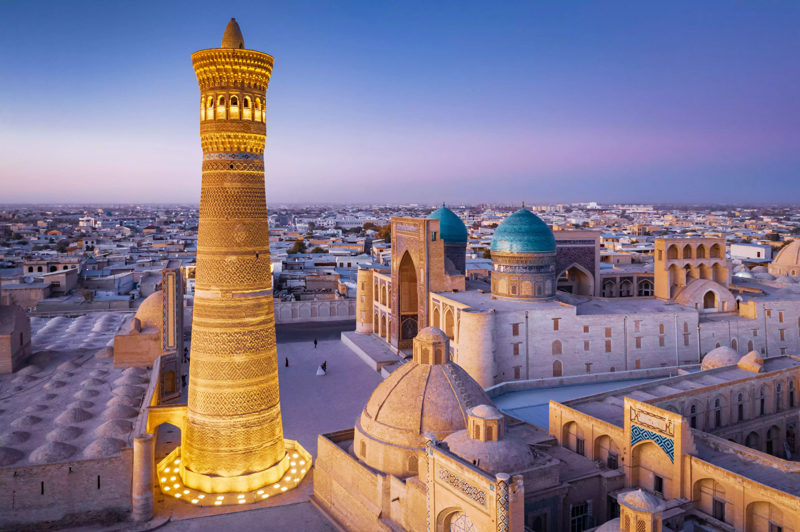
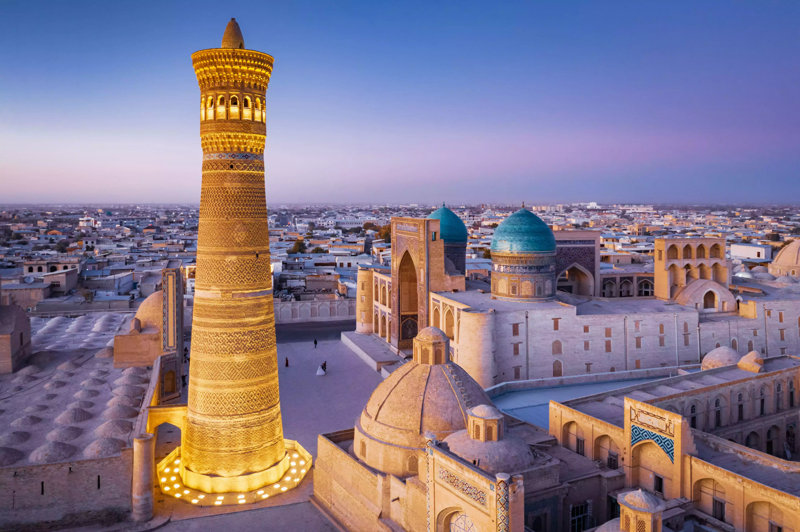
The old city on foot with a licensed guide: Lyab-i Hauz, the trading domes, the Kalyan minaret, the Ark and the Samanid mausoleum. 4–6 hours, from $20.
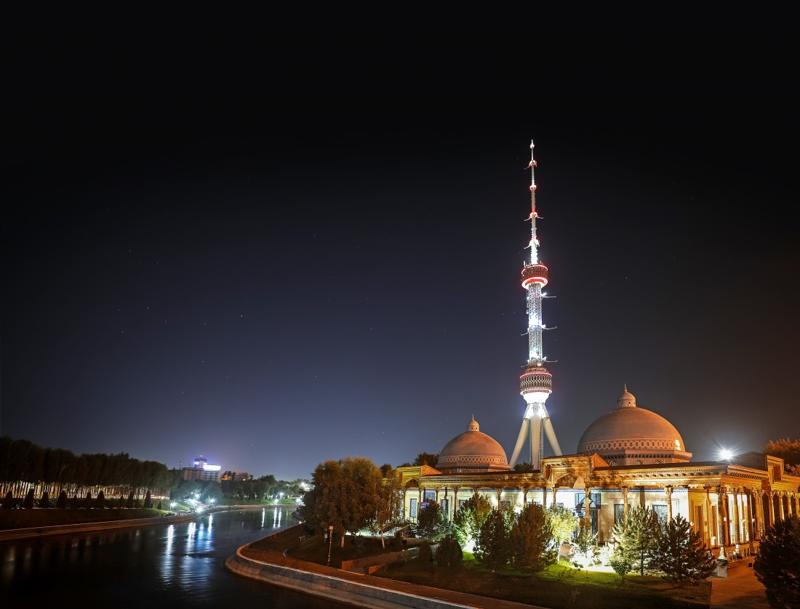
Explore old and new Tashkent in one day with a professional guide: the bustling Chorsu Bazaar, the sacred Hazrati Imam Complex, the palace-like metro…
The four great Silk Road cities in one week, in the order the road runs: licensed guides, 3–4★ hotels with breakfast, every transfer and the monument…