Seven Lakes Day Trip from Samarkand: Tajikistan's Fann Mountains by 4×4
Cross into Tajikistan for a day at the Seven Lakes: Panjakent bazaar, the lakes of the Fann Mountains by 4×4 and the UNESCO site of Sarazm on the way…

Destinations · Tajikistan
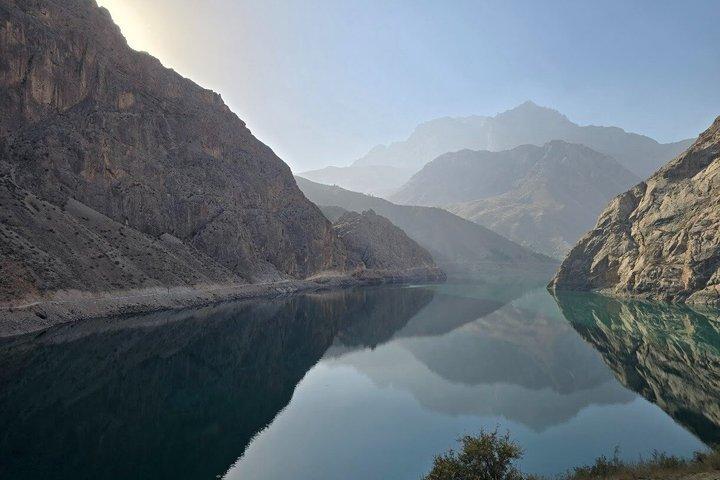
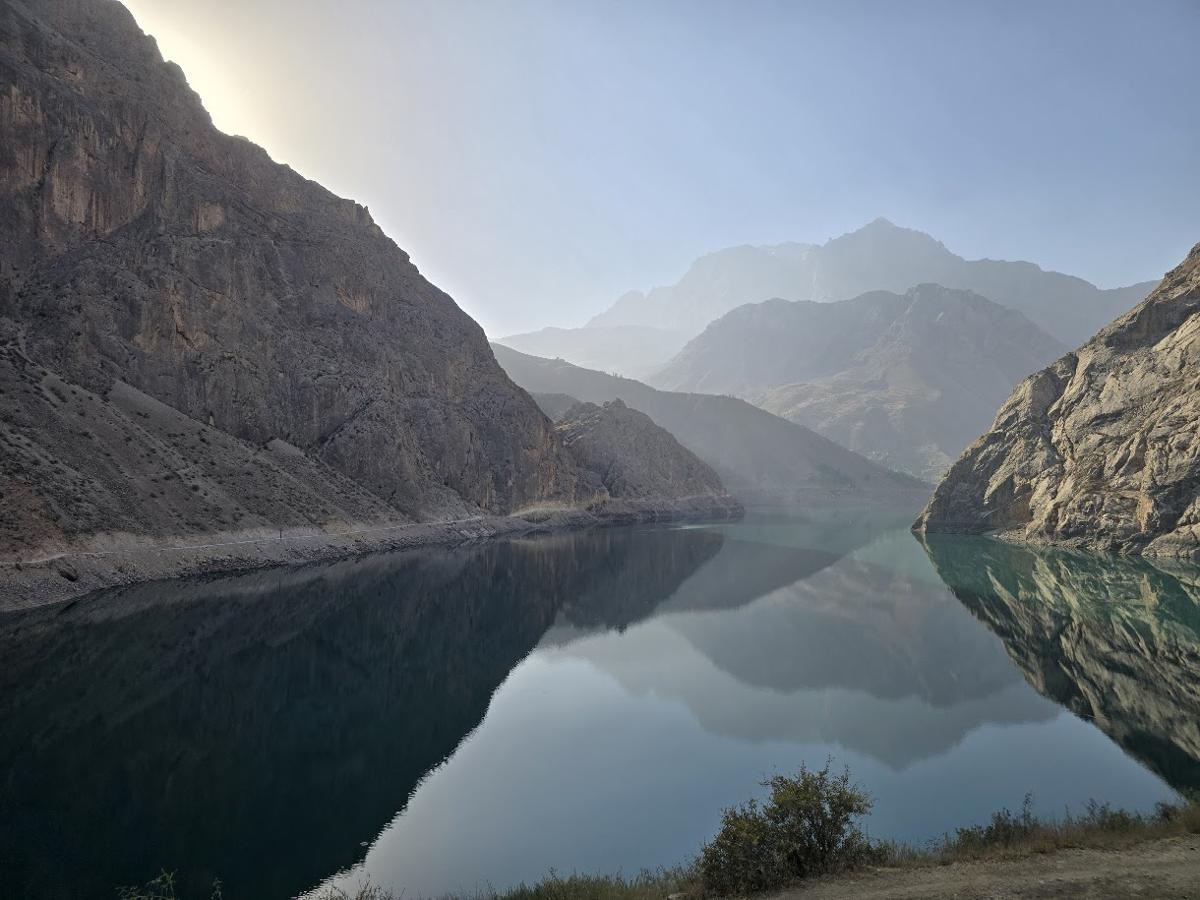
The Seven Lakes, also called Haftkul or the Marguzor Lakes, offer more than a sequence of roadside photographs. Water, steep slopes, village lanes and cultivated plots share the narrow Shing Valley. A rewarding visit leaves time for walking and local life instead of treating the seventh lake as a finish line.
At a glance
History and landscape
Haftkul means Seven Lakes. The lakes belong to a connected valley system, not seven unrelated destinations scattered across the mountains. Their appearance changes with light, weather and viewing angle, so no photograph defines a permanent color. The valley's farming, herding and paths have a history beyond tourism. Nearby Panjakent and UNESCO-listed Sarazm add a wider historical context, but they are separate visits, not archaeological sites beside every lake. Local stories about the landscape are worth hearing as oral tradition rather than verified geological chronology.
People and living culture
Tajik village life is central to the experience. Houses, orchards, irrigation channels, schools and working fields explain how people use a demanding mountain environment. Tajik is a Persian language; Russian may help, while English availability varies. A guesthouse stay can create space for conversation when hosts agree. Ask before portraits, entering homes or walking through cultivated land. Pay fairly for accommodation, guiding and meals, and avoid presenting everyday village work as a performance arranged for visitors.
Everyday life
The same narrow valley road serves residents, deliveries and travelers. Stop where it is safe without blocking access, and do not assume that every settlement has a restaurant, cash machine or reliable signal. Confirm heating, water, toilets, bedding and meal arrangements before an overnight stay. Carry cash, drinking water and essentials, and bring waste back to proper disposal rather than leaving it at a village or lakeside picnic spot.
The seven lakes, from lower to upper valley
What to eat
Prearranged village meals may include non bread, soups, osh or plov, sambusa and seasonal produce. Menus depend on the household and supplies, not a fixed restaurant selection. Explain allergies and dietary needs beforehand; broth, dairy and animal fat can appear in apparently vegetable-based dishes. Ask about drinking-water treatment and packed food if the day includes longer walking.
When to visit
Late spring through early autumn often offers useful opportunities, but the lower valley and upper lake can have different conditions. Summer may bring heat on exposed roads and cool nights higher up; snow, storms or road damage can affect access outside the main season and sometimes within it. Confirm the actual route, not just a broad seasonal label. Swimming is not an automatic inclusion: cold water, depth and rescue limitations matter.
Access and responsible travel
This is a Fann Mountains destination, not a GBAO itinerary; do not copy Pamir permit rules onto it. Check passport-specific entry and registration, current local access, any applicable fees and accommodation arrangements. A trip combined with Samarkand also requires separate checks for both countries and the chosen border crossing. Use an experienced driver and an appropriate vehicle; a mapped road does not promise an easy or unrestricted drive.
Planning a worthwhile visit
Choose viewpoints and walks to match the group, with a clear turnaround time and space for village stops. Do not promise all seven lakes on a rushed day trip. Wear suitable footwear and layers, protect against sun and carry water. Longer or higher extensions need their own guide, acclimatization, insurance and emergency plan. If altitude-illness symptoms occur, do not ascend further; worsening symptoms require descent and medical help. Treat the valley as a place people live, not a checklist to complete.
Cross into Tajikistan for a day at the Seven Lakes: Panjakent bazaar, the lakes of the Fann Mountains by 4×4 and the UNESCO site of Sarazm on the way…
Cross from Samarkand into Tajikistan for Sarazm, Panjakent bazaar and the Seven Lakes, sleep in a private room above Marguzor, the sixth lake, and drive…
Travel between Samarkand and Tashkent the long way, through Tajikistan: Sarazm, Panjakent, the Seven Lakes up to the seventh by 4×4, a night by Lake 6,…
Four days by private 4×4 through the Fann Mountains: Iskanderkul with Snake Lake and the waterfall, the hike to the Kulikalon lakes from Artuch, and the…
Five days by private 4×4 through the Fann Mountains: Iskanderkul and its waterfall, a night camping by the Alauddin lakes, the hike to Kulikalon from…
Khiva, Bukhara, Samarkand and Tashkent with private guides, plus a day across the border at the Seven Lakes of the Fann Mountains. 3–4★ hotels with…