Samarkand Group Day Tour: Five Monuments with a Local Guide
Five monuments in a day with a licensed guide: the Registan, Gur-e-Amir, Bibi-Khanym, Shah-i-Zinda and Ulugh Beg's observatory. Transport included. From $20.

Destinations · Uzbekistan
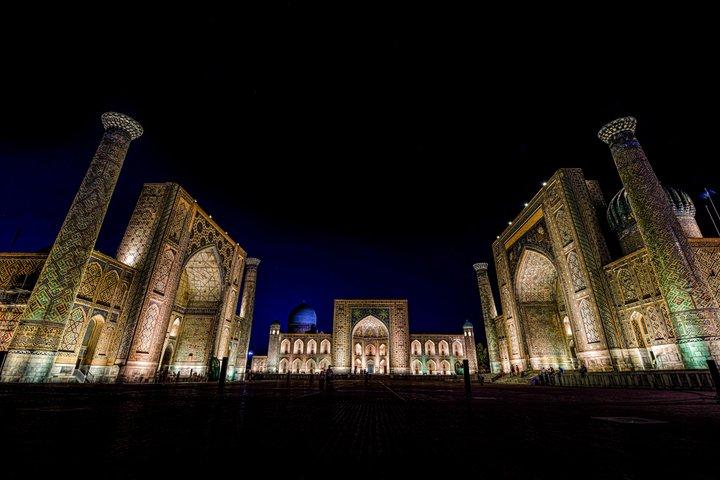
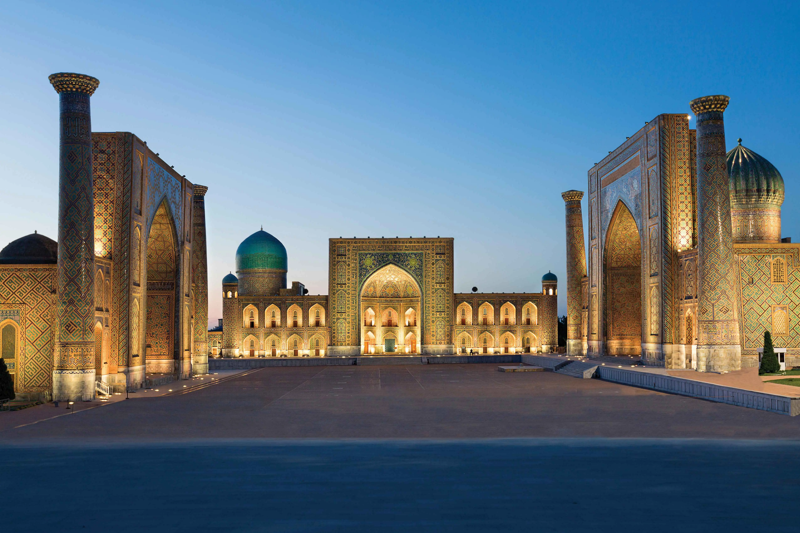
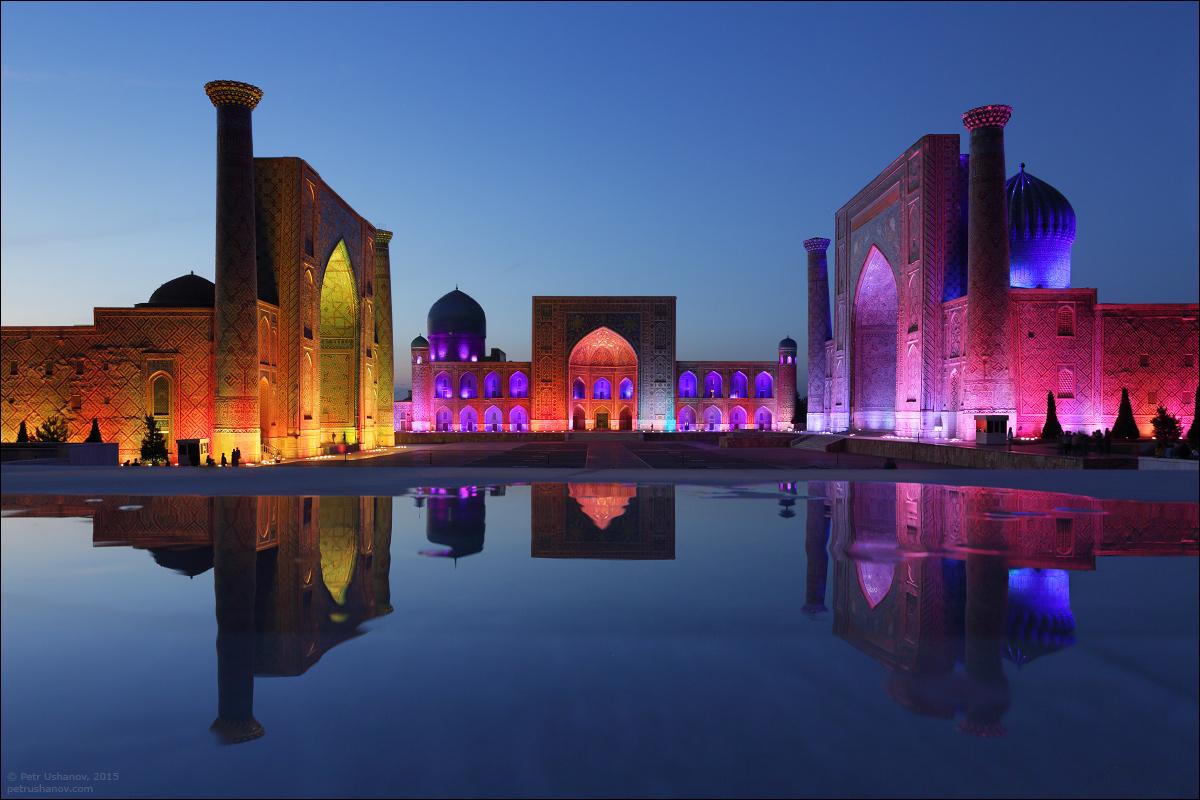
Samarkand brings together monumental architecture, ancient trading connections and the everyday pleasures of bread, markets and neighborhood life. Come for the Registan, but leave time for the older city at Afrasiab, a craft workshop and a meal that is not squeezed between photo stops.
At a glance
History that explains the city
Samarkand's story predates its famous blue domes. Ancient Afrasiab was a major Sogdian city connected to the trade networks now called the Silk Roads. Its archaeological remains and seventh-century wall paintings reveal a world of diplomacy, religion and exchange. Much later, Amir Timur made Samarkand the capital of his empire in the late fourteenth century. Under the Timurids, monumental building and scholarship reshaped the city; Ulugh Beg combined royal authority with a lasting interest in astronomy.
The UNESCO-listed city is not one frozen historical moment. Ancient remains, Timurid monuments and later neighborhoods belong to different chapters. Many celebrated buildings have undergone substantial restoration: their beauty is real, but not every tile you see is an untouched medieval original.
People and living culture
Samarkand has a layered Uzbek and Tajik cultural heritage, alongside other communities. You may hear Uzbek, Tajik and Russian; language use varies between households and settings. Rather than treating the city as a monument collection, notice its craftspeople, students, shopkeepers and family businesses. Religious sites also remain meaningful to worshippers and pilgrims.
Paper-making at Konigil shows how a traditional craft can be revived and taught today. Embroidery, ceramics and carved wood offer other ways into local craftsmanship. Ask how an object was made and who made it; a workshop conversation can be more rewarding than buying a souvenir without its story.
Everyday life
Siyob Bazaar is a place for ordinary shopping as well as visitors: round loaves, dried fruit, nuts, spices and seasonal produce. Look beyond the busiest souvenir stalls, ask before photographing people and agree a price before buying. Mahallas are residential neighborhoods, not open-air exhibits; explore public streets without entering private courtyards uninvited.
Places to visit
What to eat
Try Samarkand non, the distinctive round bread, and a local version of plov. Samsa, soups and seasonal fruit round out a meal. Recipes vary between kitchens; ask about meat, stock, dairy and allergens rather than assuming a dish is vegetarian. A relaxed lunch is part of experiencing the city, not time lost from sightseeing.
Beyond the famous sights
The Saint Daniel pilgrimage site suits visitors interested in religious traditions; stories about it should be understood as traditions, not verified biography. The Eternal City at Silk Road Samarkand is a contemporary heritage-themed attraction, not an ancient quarter. Regional excursions deserve extra time rather than replacing the city's main sights on a short first visit.
Planning a worthwhile visit
Spring and autumn generally make walking easier; summer afternoons can be very hot and winter brings cold weather. Group central monuments on foot when comfortable, and use transport for Afrasiab, the observatory, Konigil and the station. Check current train services, entry arrangements, prayer-time restrictions and accessibility before visiting. Evening illumination, performances and ticket re-entry should never be assumed. Cover shoulders and knees at religious sites, follow requests about head coverings and keep photography unobtrusive.
Five monuments in a day with a licensed guide: the Registan, Gur-e-Amir, Bibi-Khanym, Shah-i-Zinda and Ulugh Beg's observatory. Transport included. From $20.
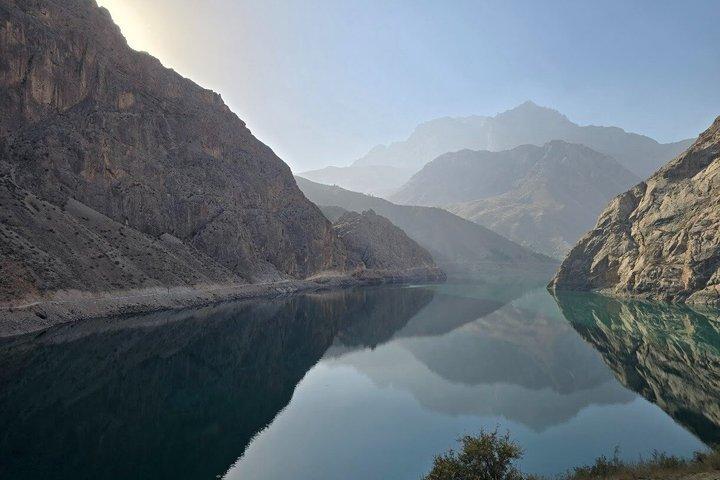
Cross into Tajikistan for a day at the Seven Lakes: Panjakent bazaar, the lakes of the Fann Mountains by 4×4 and the UNESCO site of Sarazm on the way…
The four great Silk Road cities in one week, in the order the road runs: licensed guides, 3–4★ hotels with breakfast, every transfer and the monument…
Cross from Samarkand into Tajikistan for Sarazm, Panjakent bazaar and the Seven Lakes, sleep in a private room above Marguzor, the sixth lake, and drive…
Samarkand in a day from Tashkent: the Afrosiyob high-speed train there and back, your own English-speaking guide and car in Samarkand, and the Registan,…
Samarkand's great monuments in one day, just for your party: your own English-speaking guide and car, pickup at your hotel and a day paced around you.…