
Samarkand to Tashkent via Tajikistan in 3 Days: Seven Lakes, Istaravshan and Khujand
Travel between Samarkand and Tashkent the long way, through Tajikistan: Sarazm, Panjakent, the Seven Lakes up to the seventh by 4×4, a night by Lake 6,…

Destinations · Tajikistan
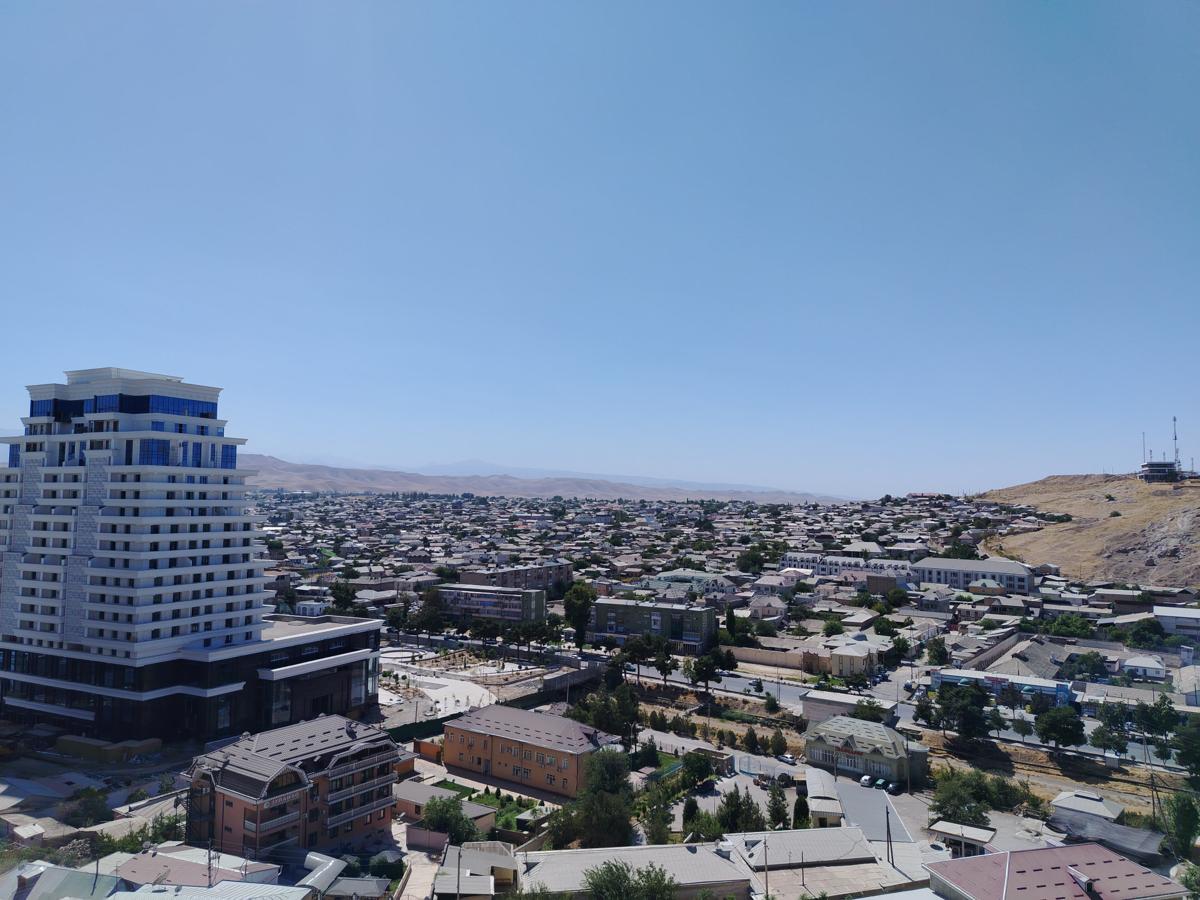
Istaravshan rewards travelers who prefer a workshop conversation and a quiet old-town walk to a long list of grand attractions. Religious buildings, a citadel hill and skilled makers reveal northern Tajikistan at a smaller scale. The town's appeal lies in the connection between inherited craftsmanship and contemporary life.
At a glance
History that explains the town
Istaravshan has ancient settlement roots and a long history of trade, local rulers and skilled production. Older maps and accounts may use the name Ura-Tyube or Uroteppa. The different names belong to its historical layers, not to different towns that must be visited separately.
Mug Teppe, the citadel hill, provides a reference point for the town's older political geography. Yet age of settlement is not age of every visible structure. Restoration, reconstruction and modern civic use have shaped the monuments. Popular stories about royal founders or miraculous events are part of local tradition; where historical evidence is uncertain, treat them as legends rather than precise, proven dates.
People and living culture
Istaravshan is associated with metalworking, knife-making, woodcarving, pottery and other crafts. The most valuable visit often involves a maker explaining a process, material or family tradition. Workshop access and demonstrations need agreement; an open shop is not a promise that every production stage will be running.
Tajik language and Persian literary culture are important parts of local identity, alongside the wider connections of Sughd. Residents are contemporary people with school, work and family commitments. Fair payment, informed questions and asking before you take photographs matter more than looking for a place untouched by time.
Everyday life
Markets and public lanes connect household shopping, food and small businesses. Carved doors and courtyard houses can be admired from the street, but remain private property. Do not enter a home or interrupt work simply because the setting looks photogenic. If a host agrees to receive visitors, clarify timing, payment and expectations beforehand.
Places to visit
What to eat
Bread, osh or plov, sambusa, soups and seasonal fruit are useful starting points. Tea gives a reason to slow down between visits. Ask a host or cook about the local version rather than assuming one recipe represents every household. Explain allergies and dietary restrictions, including meat broth, animal fat and dairy.
Buying crafts thoughtfully
Ask who made an object and which parts were produced locally. Handmade work and mass-produced goods may appear together. Agree prices respectfully and check customs and transport rules before buying a knife or another restricted item. A paid workshop visit can support the maker even when you do not make a purchase.
Planning a worthwhile visit
Combine Istaravshan with northern Tajikistan at a pace that leaves time to meet people. Khujand, Dushanbe and the Fann Mountains are separate journeys, not nearby stops to add without allowing road time. Spring and autumn often suit walking; summers can be hot and winters cold. Confirm a workshop appointment, religious-site requirements, lodging and onward transport. Old lanes, steps and thresholds require individual accessibility checks. Use a guide for historical context and lesser-known shrines, while keeping the visit respectful and unhurried.
Travel between Samarkand and Tashkent the long way, through Tajikistan: Sarazm, Panjakent, the Seven Lakes up to the seventh by 4×4, a night by Lake 6,…
Go overland between Dushanbe and Tashkent through the mountains of northern Tajikistan: Iskanderkul with Snake Lake and the waterfall, the Shahristan…
A full loop from Tashkent: the Silk Road cities by high-speed train, the Seven Lakes of Tajikistan, Istaravshan and Khujand, then back into Uzbekistan…

